Shopping Cart
No products in the cart.

◈ Tees Hub

Basslets

Identify and compare saltwater aquarium fish species by family, adult size, tank requirements, temperament, diet, and reef compatibility.

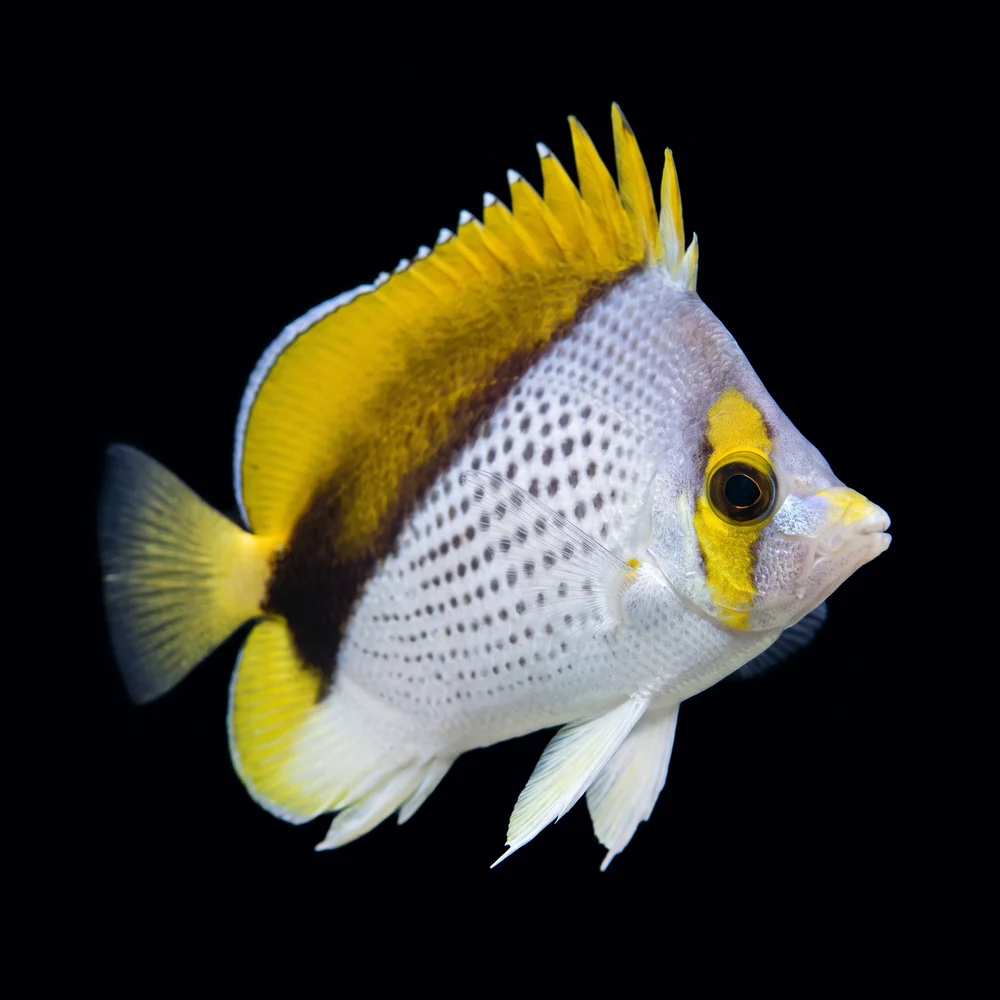
Declivis Butterflyfish

Chaetodon declivis

Care Level

Moderate

Temperament

Peaceful

Reef Safe

No

Diet

Omnivore

Tank Size

120 gallons

Max Size

5 inches

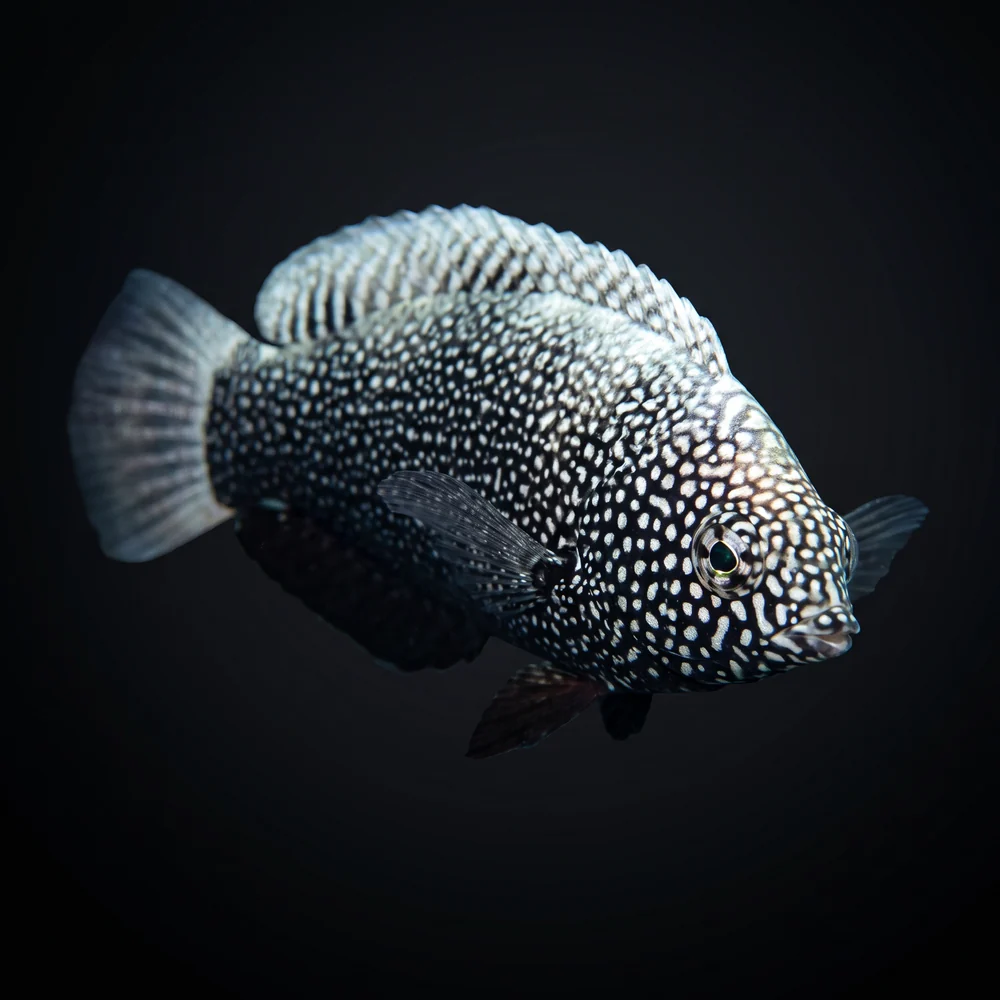
Black Leopard Wrasse

Macropharyngodon negrosensis

Care Level

Expert

Temperament

Peaceful

Reef Safe

Yes

Diet

Carnivore

Tank Size

90 gallons

Max Size

5 inches

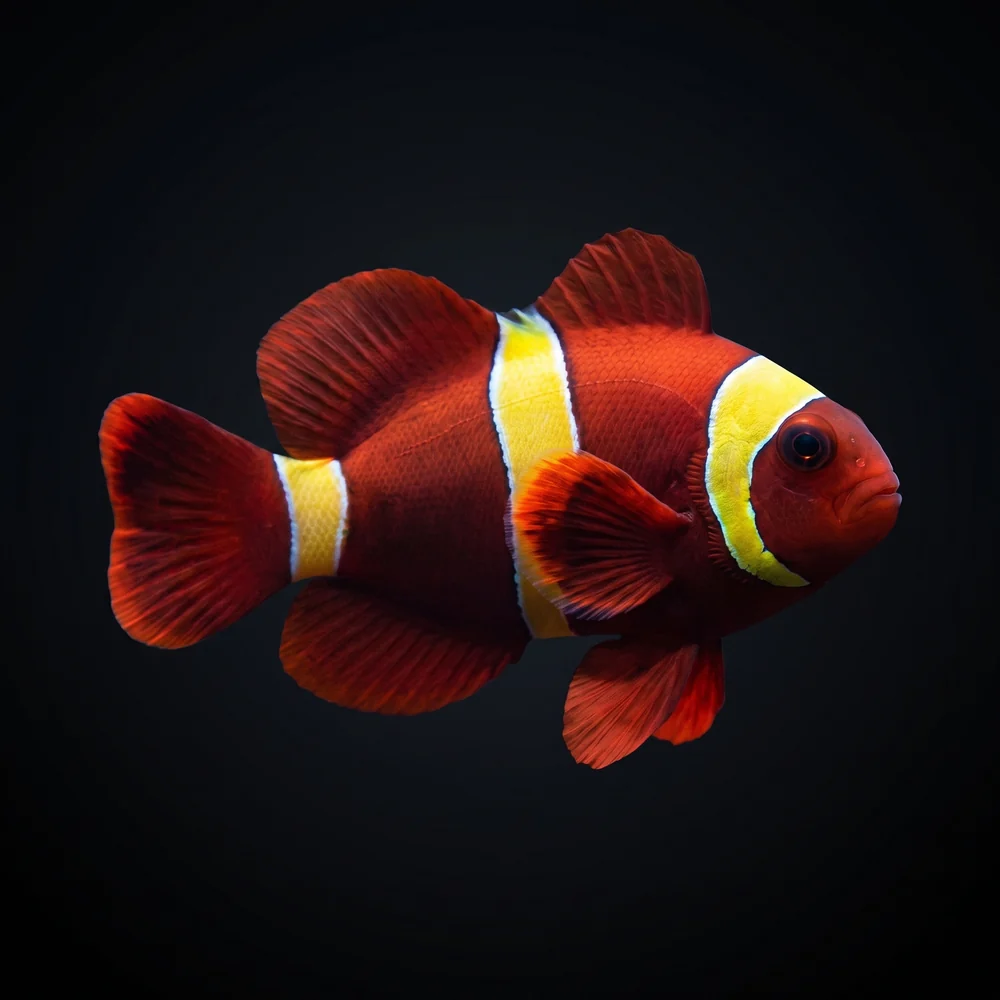
Gold Stripe Maroon Clownfish

Premnas biaculeatus

Care Level

Easy

Temperament

Semi-Aggressive

Reef Safe

Yes

Diet

Omnivore

Tank Size

30 gallons

Max Size

3 inches

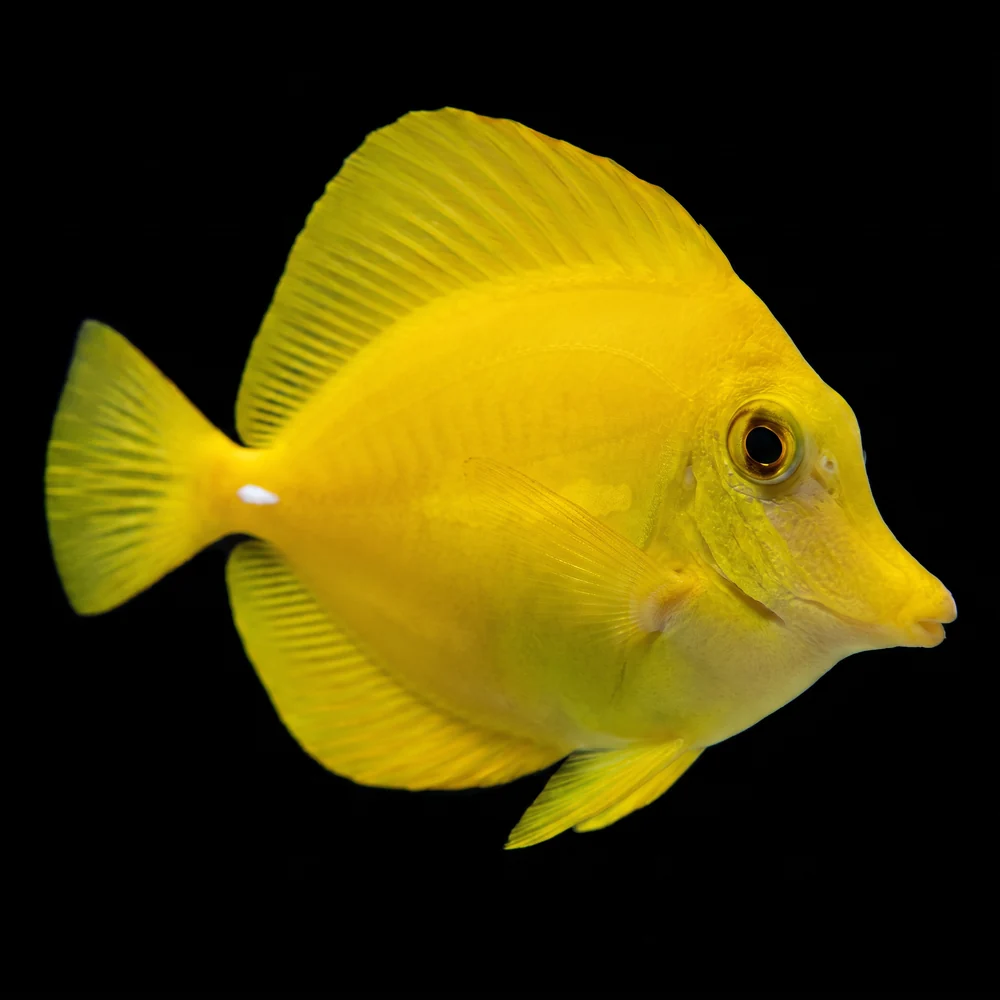
Yellow Tang

Zebrasoma flavescens

Care Level

Moderate

Temperament

Semi-Aggressive

Reef Safe

Yes

Diet

Herbivore

Tank Size

100 gallons

Max Size

8 inches

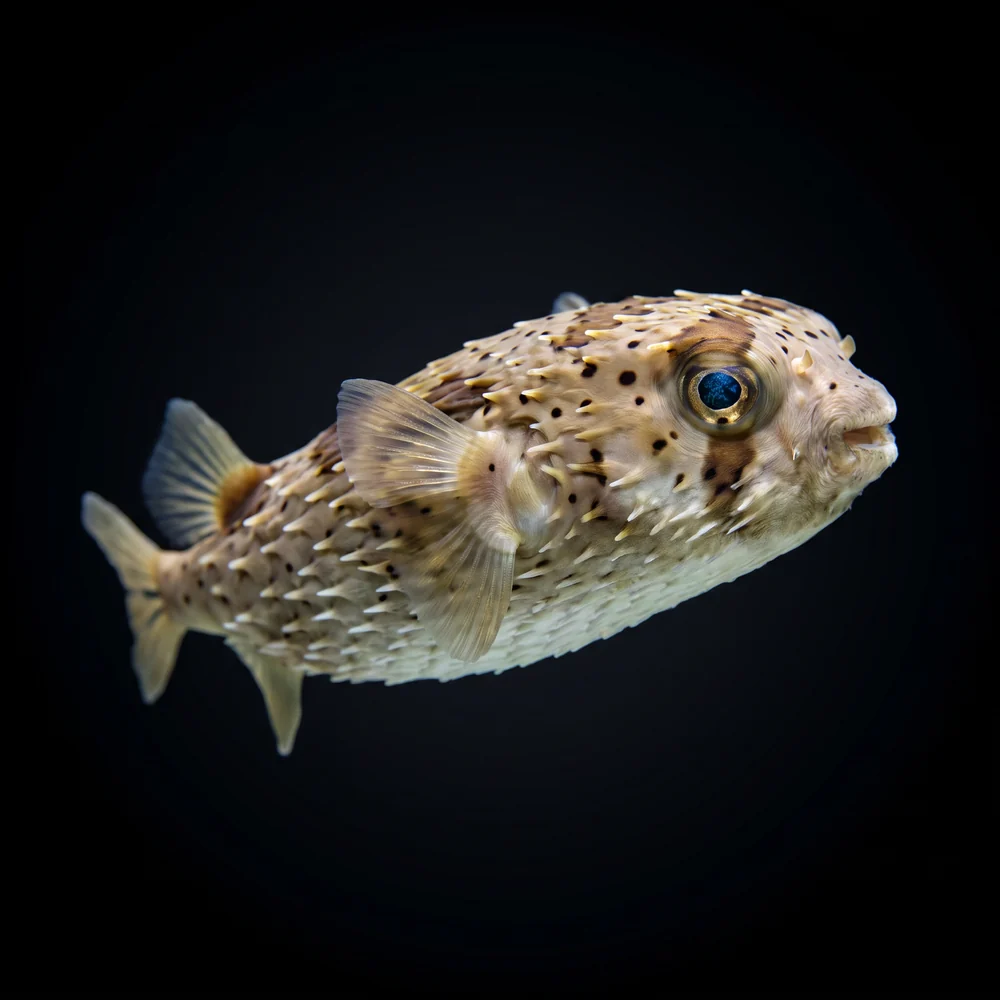
Porcupine Puffer

Diodon holocanthus

Care Level

Moderate

Temperament

Semi-Aggressive

Reef Safe

No

Diet

Carnivore

Tank Size

180 gallons

Max Size

20 inches

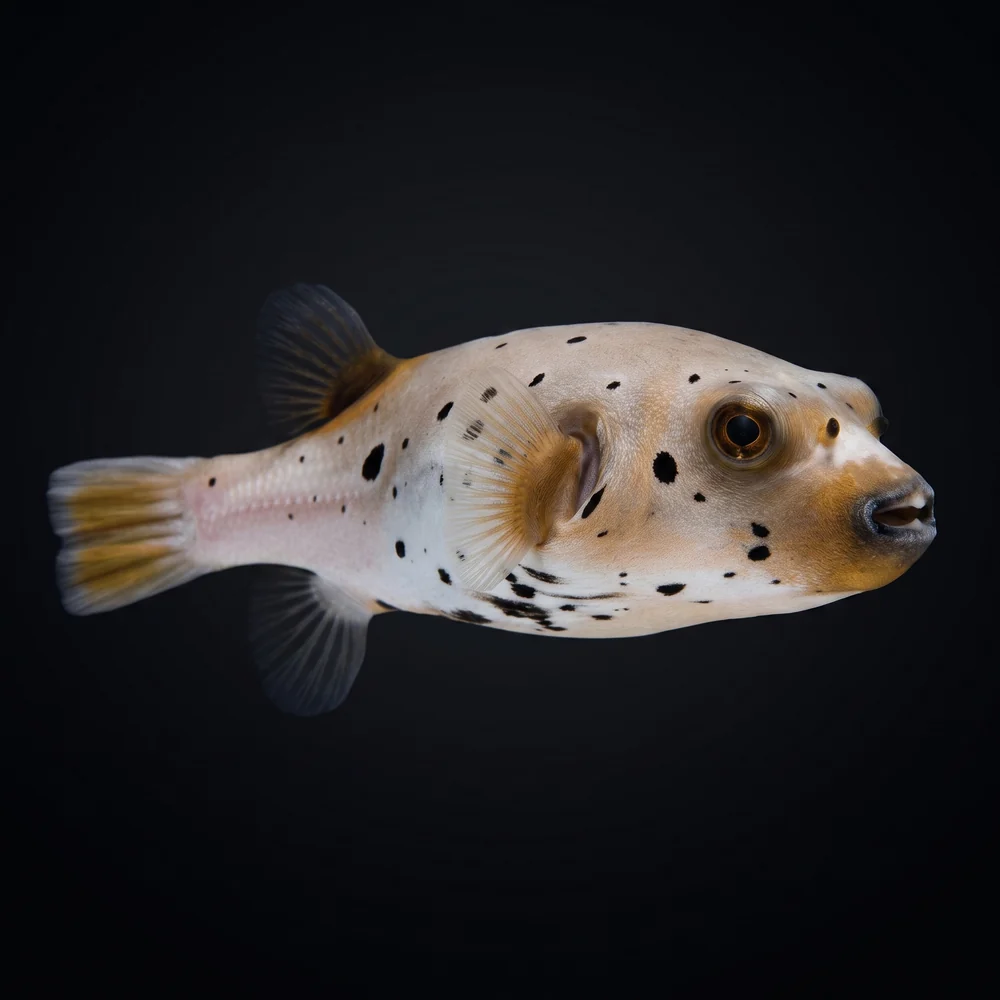
Dogface Puffer

Arothron nigropunctatus

Care Level

Moderate

Temperament

Semi-Aggressive

Reef Safe

No

Diet

Carnivore

Tank Size

125 gallons

Max Size

13 inches

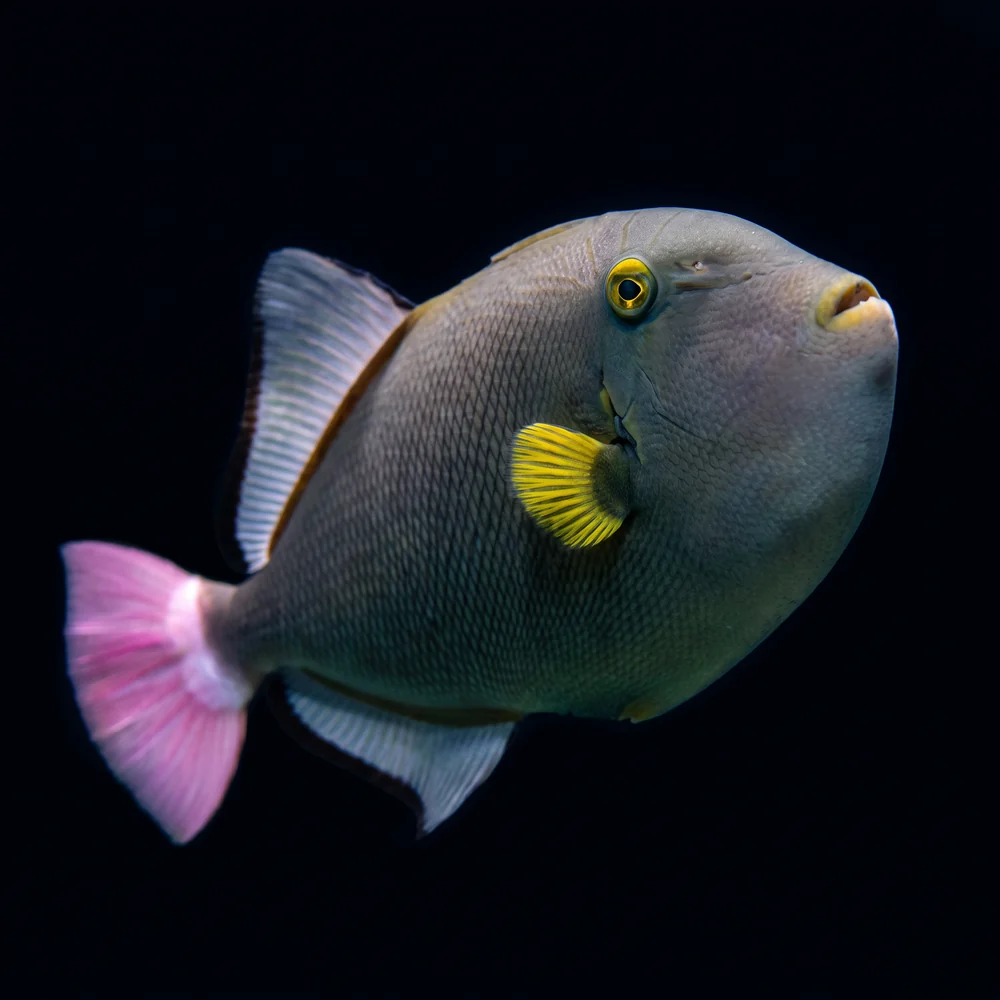
Pink Tail Triggerfish

Melichthys vidua

Care Level

Easy

Temperament

Semi-Aggressive

Reef Safe

With Caution

Diet

Carnivore

Tank Size

180 gallons

Max Size

16 inches

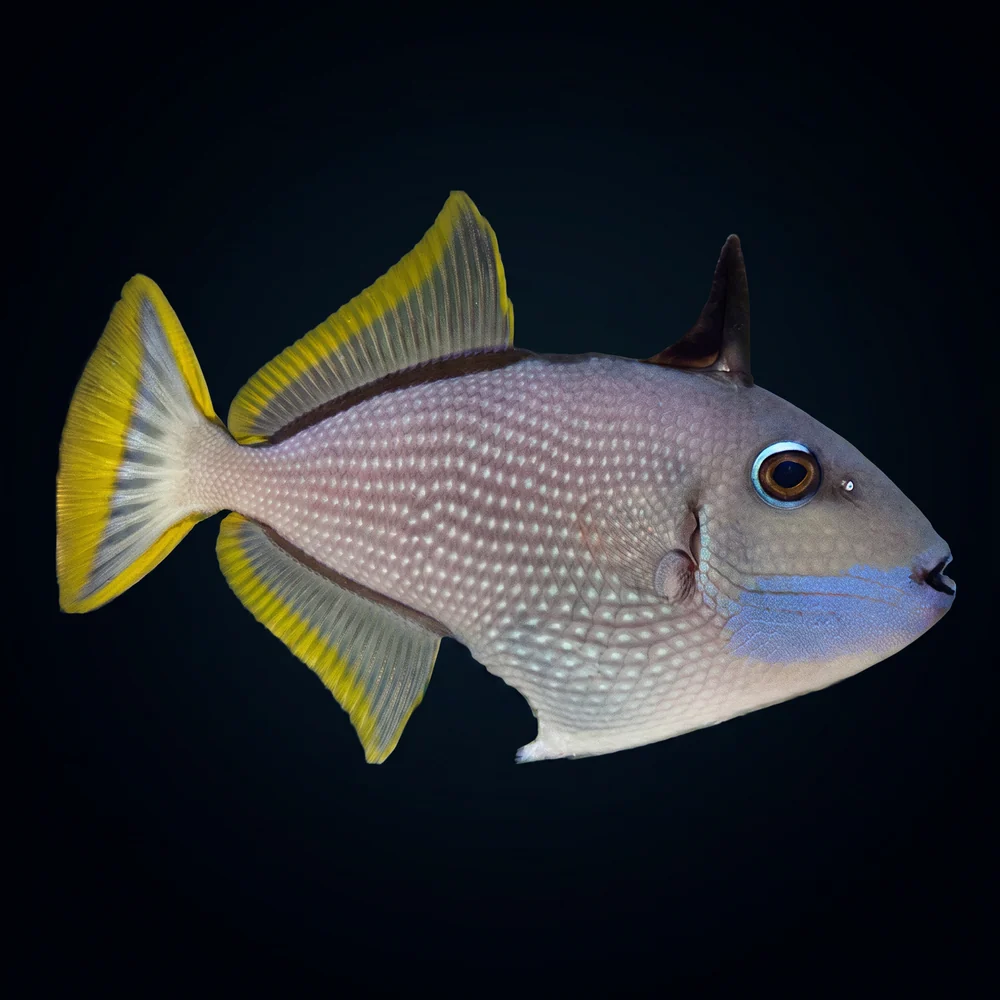
Blue Jaw Triggerfish

Xanthichthys auromarginatus

Care Level

Moderate

Temperament

Semi-Aggressive

Reef Safe

With Caution

Diet

Carnivore

Tank Size

180 gallons

Max Size

12 inches

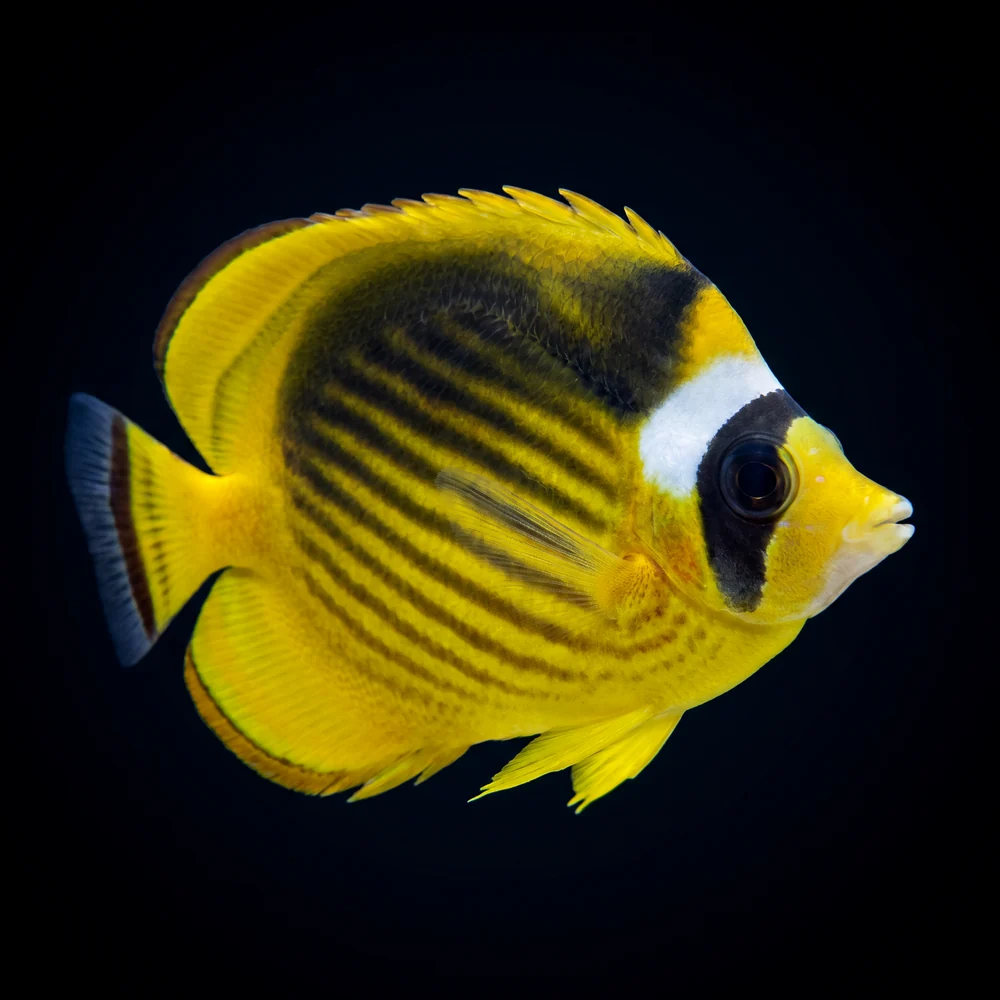
Raccoon Butterflyfish

Chaetodon lunula

Care Level

Easy

Temperament

Peaceful

Reef Safe

No

Diet

Omnivore

Tank Size

125 gallons

Max Size

8 inches

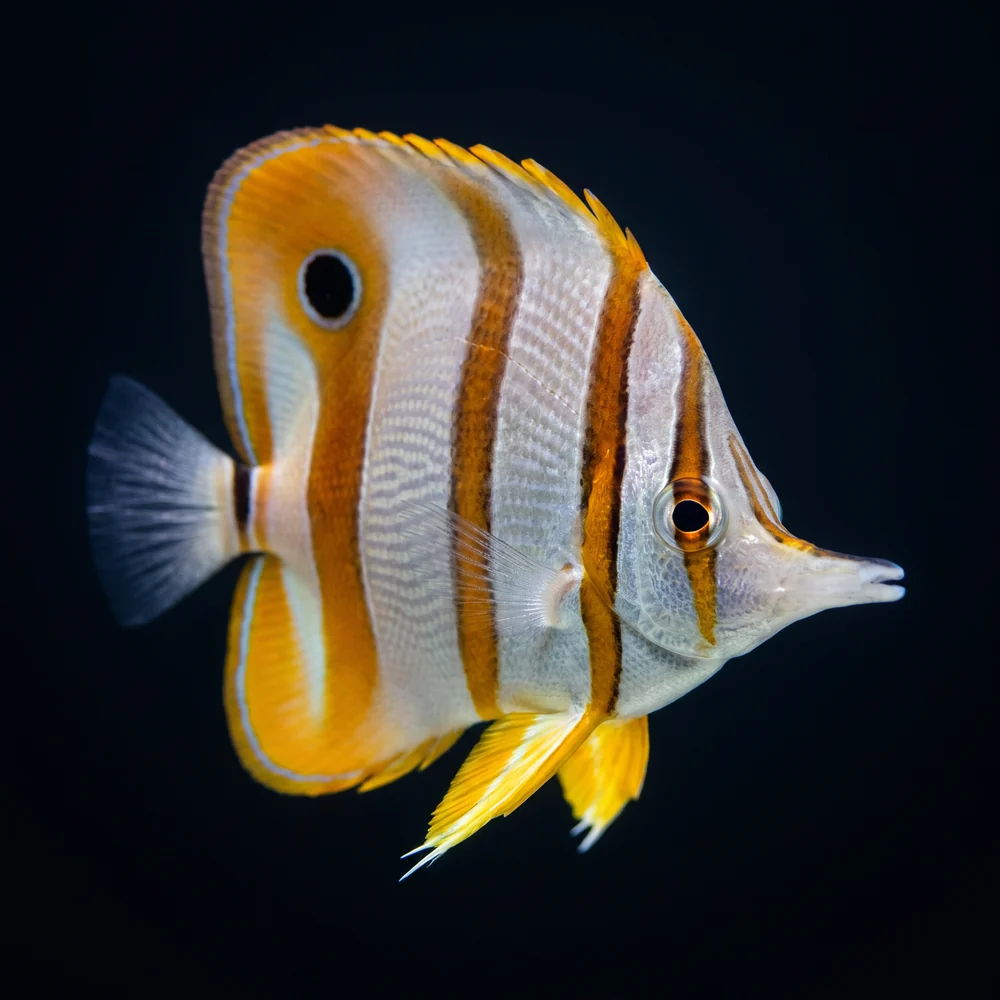
Copperband Butterflyfish

Chelmon rostratus

Care Level

Difficult

Temperament

Peaceful

Reef Safe

With Caution

Diet

Carnivore

Tank Size

120 gallons

Max Size

8 inches

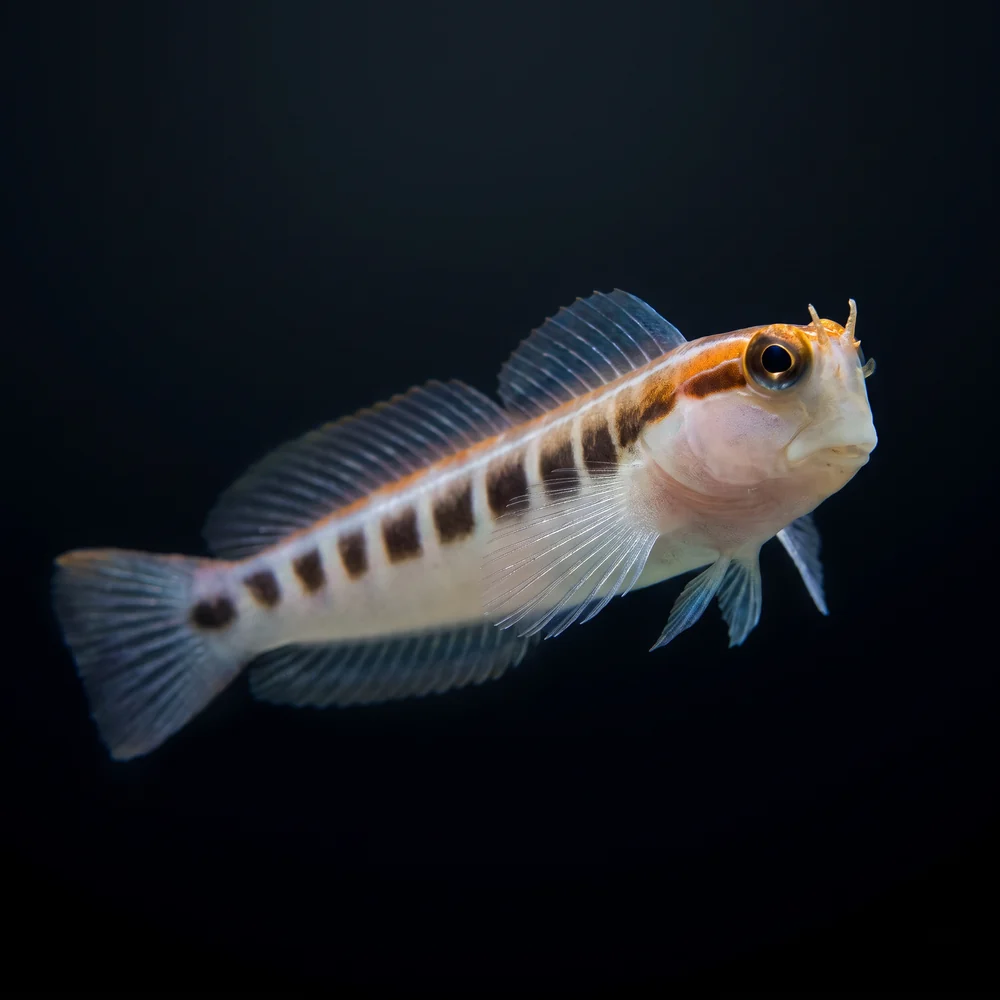
Linear Blenny

Ecsenius lineatus

Care Level

Moderate

Temperament

Peaceful

Reef Safe

With Caution

Diet

Omnivore

Tank Size

30 gallons

Max Size

3.5 inches

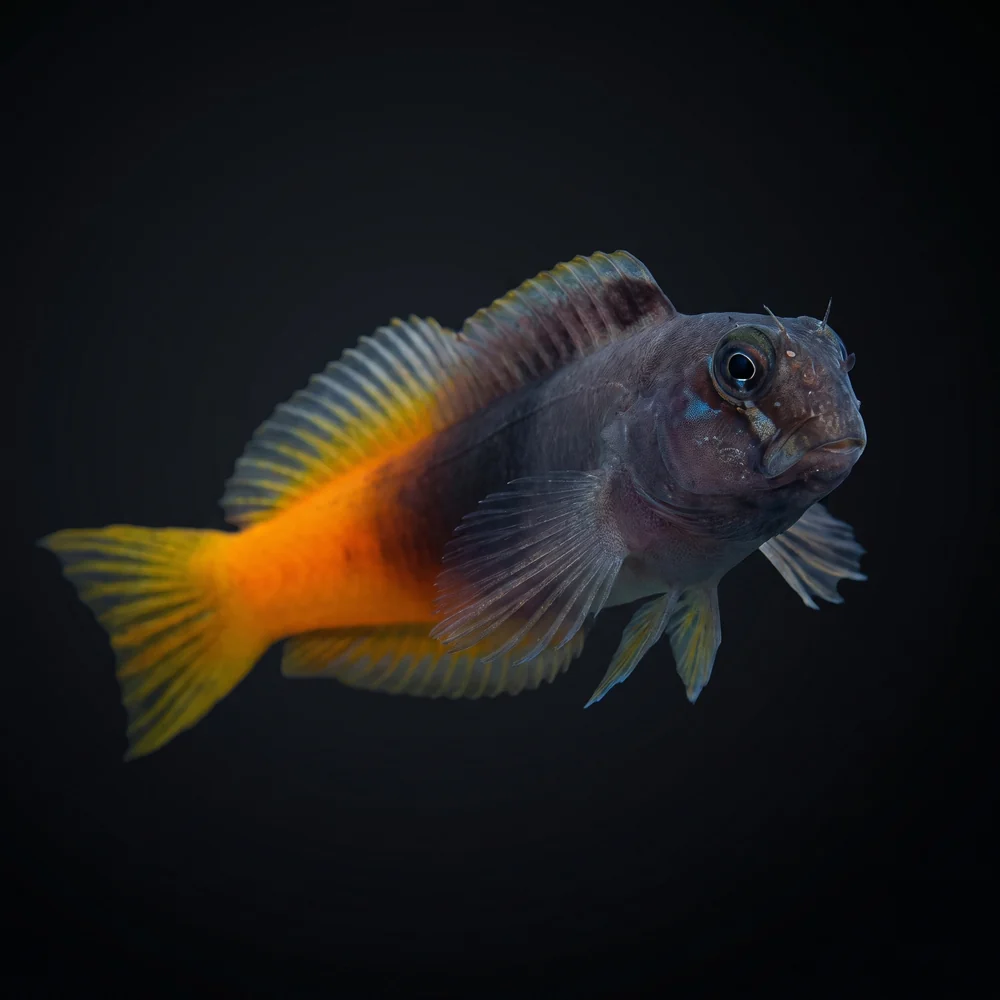
Bicolor Blenny

Ecsenius bicolor

Care Level

Easy

Temperament

Peaceful

Reef Safe

With Caution

Diet

Herbivore

Tank Size

30 gallons

Max Size

4.5 inches

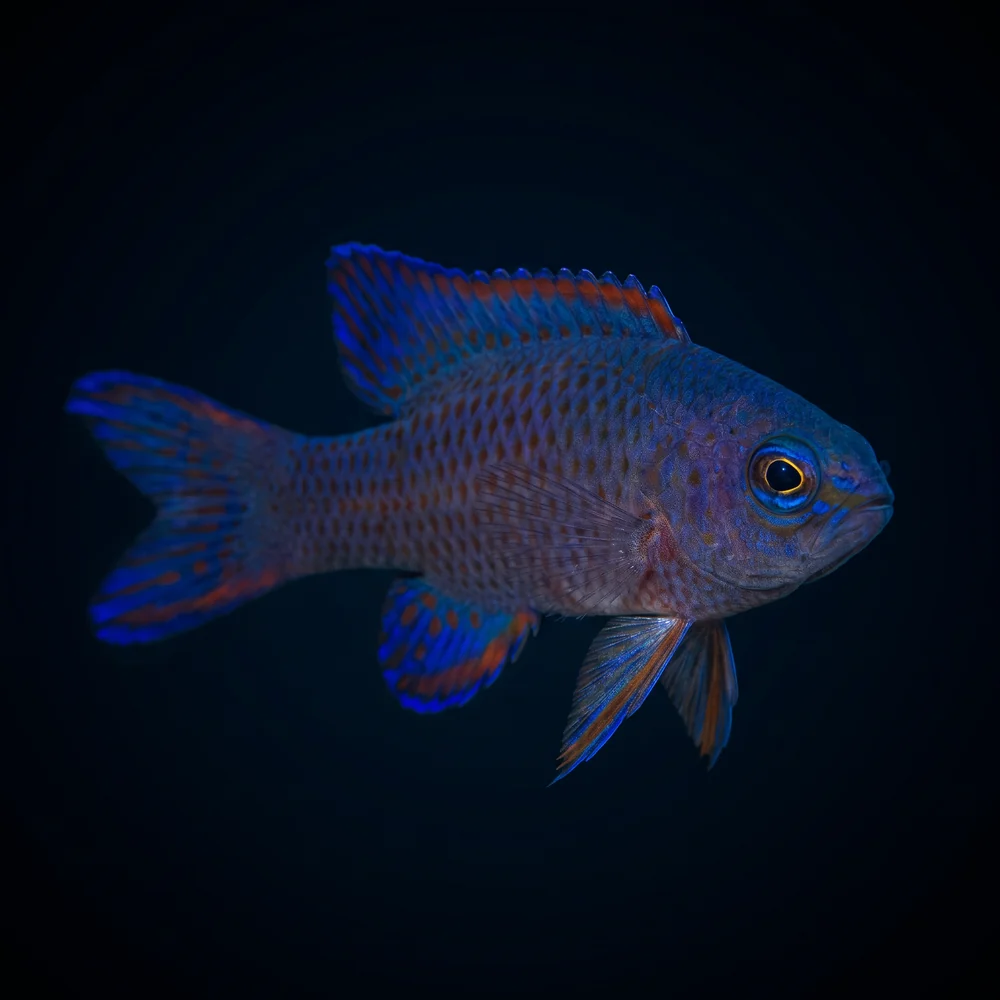
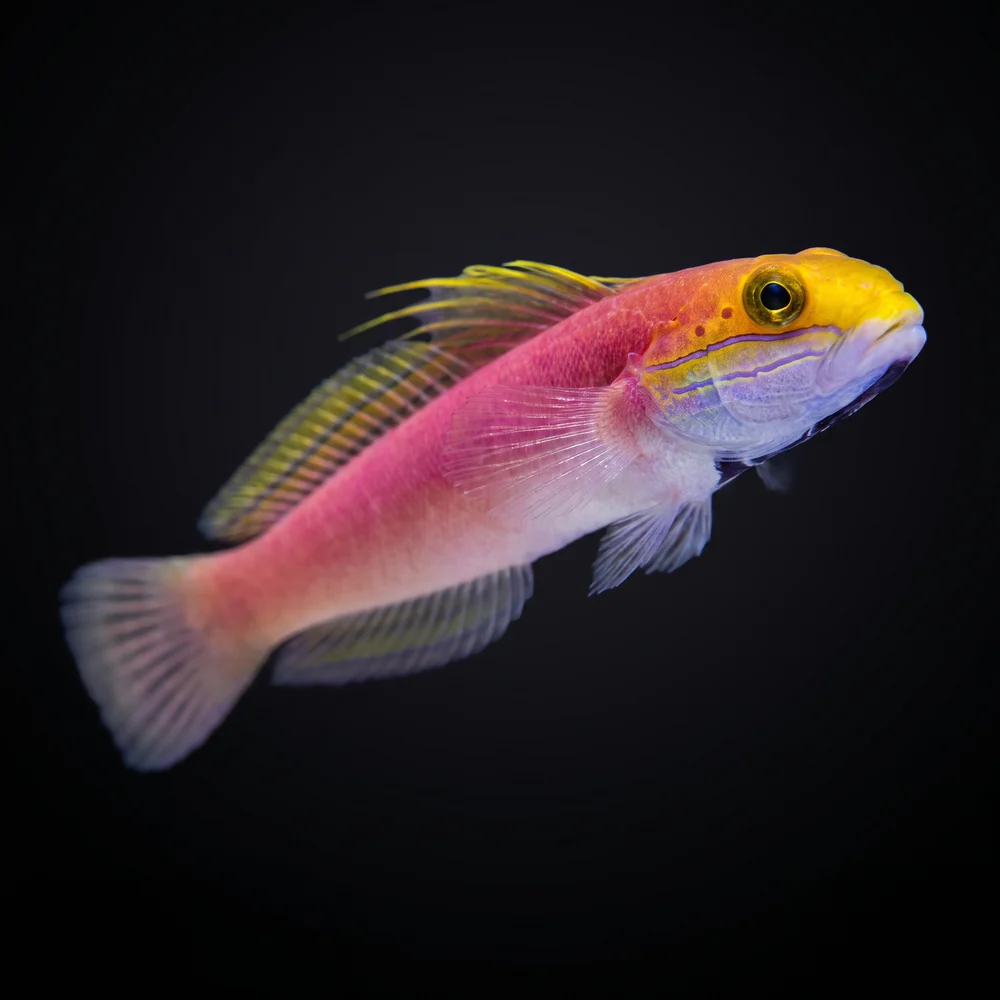
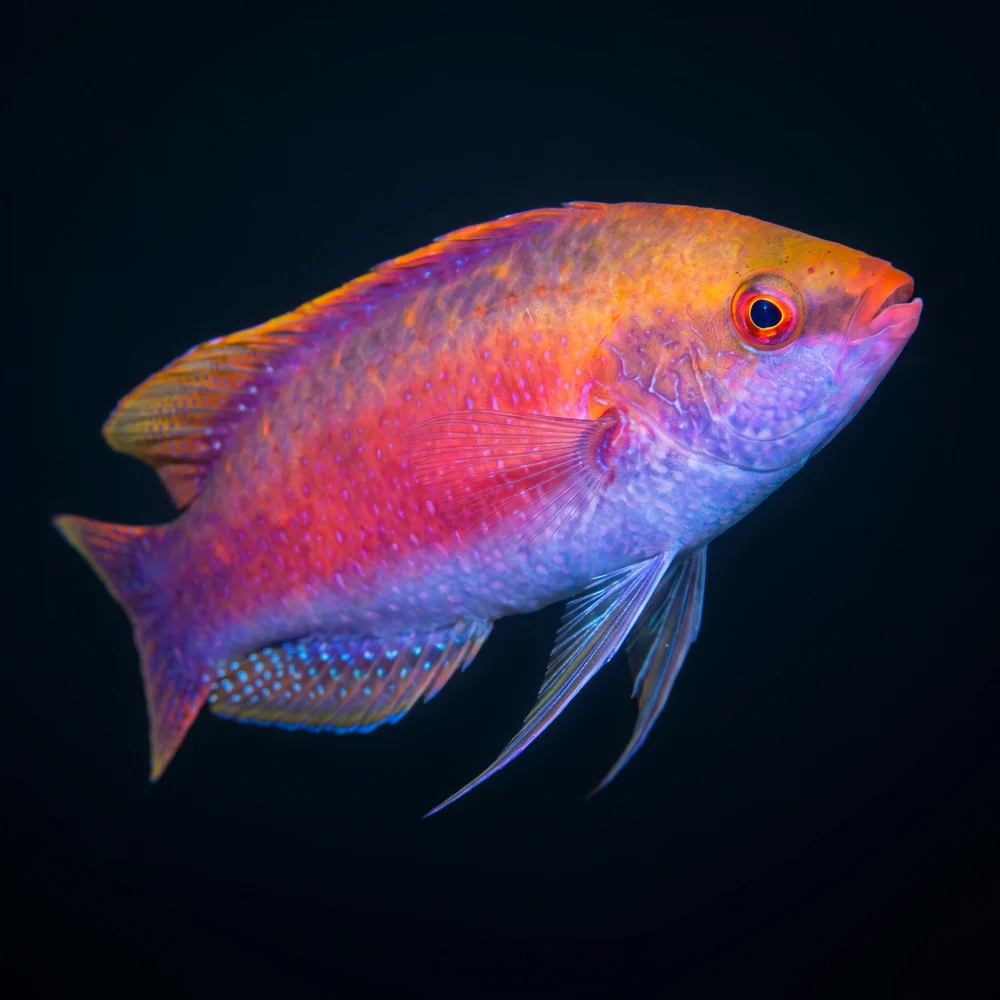
Randall’s Assessor Basslet

Assessor randalli

Care Level

Moderate

Temperament

Peaceful

Reef Safe

Yes

Diet

Carnivore

Tank Size

30 gallons

Max Size

3 inches

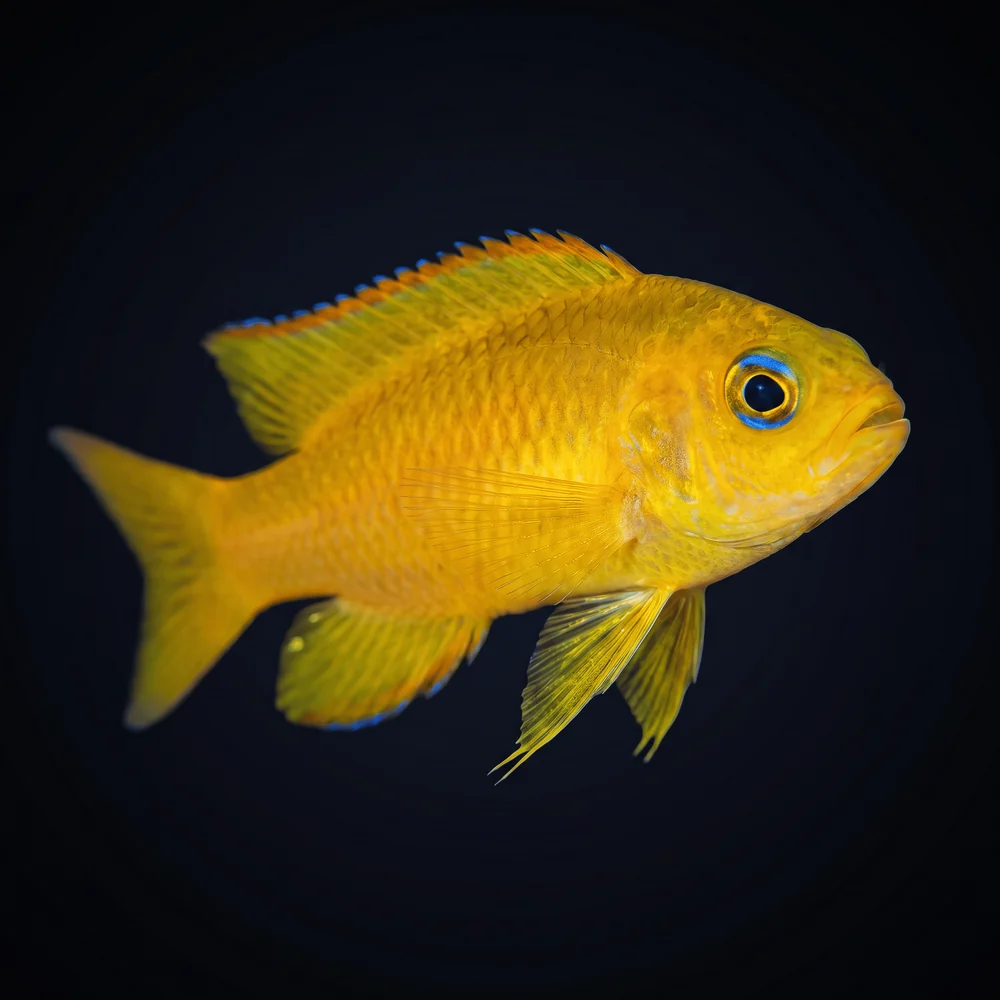
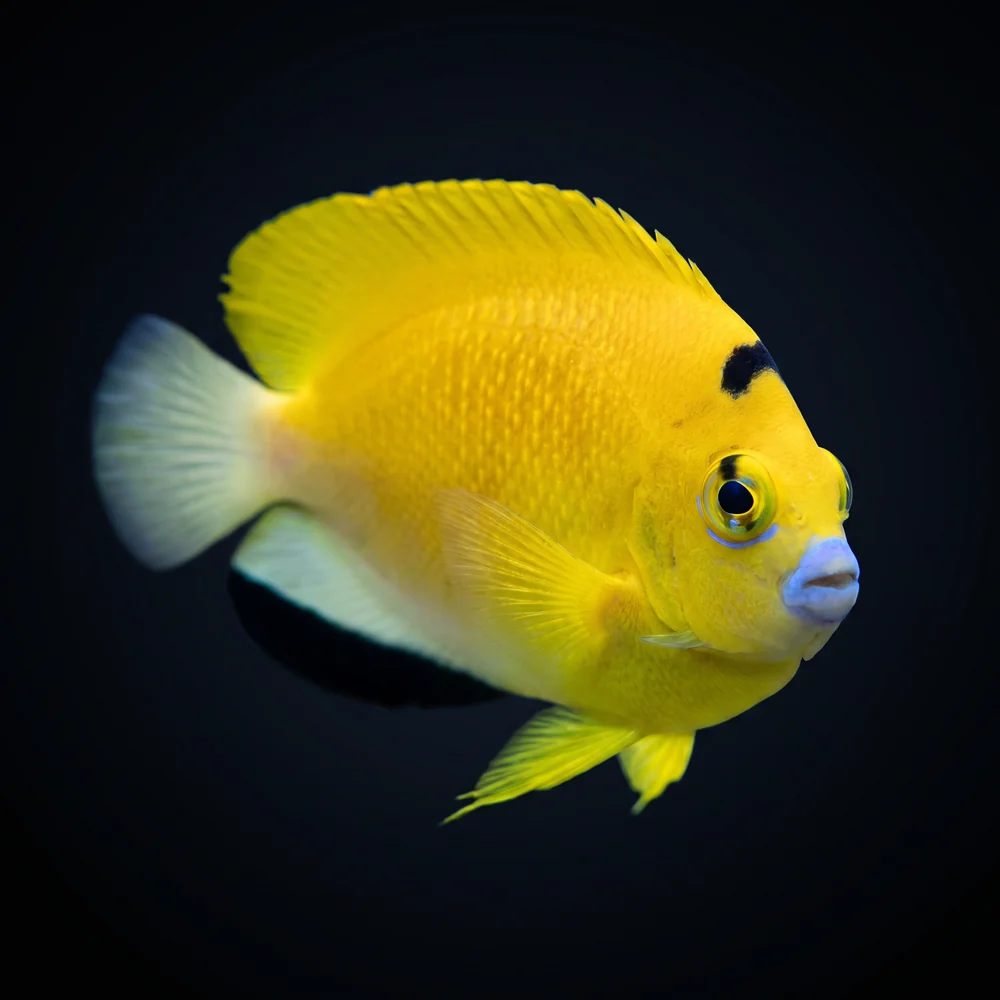
Assessor Basslet

Assessor flavissimus

Care Level

Moderate

Temperament

Peaceful

Reef Safe

Yes

Diet

Carnivore

Tank Size

30 gallons

Max Size

3 inches

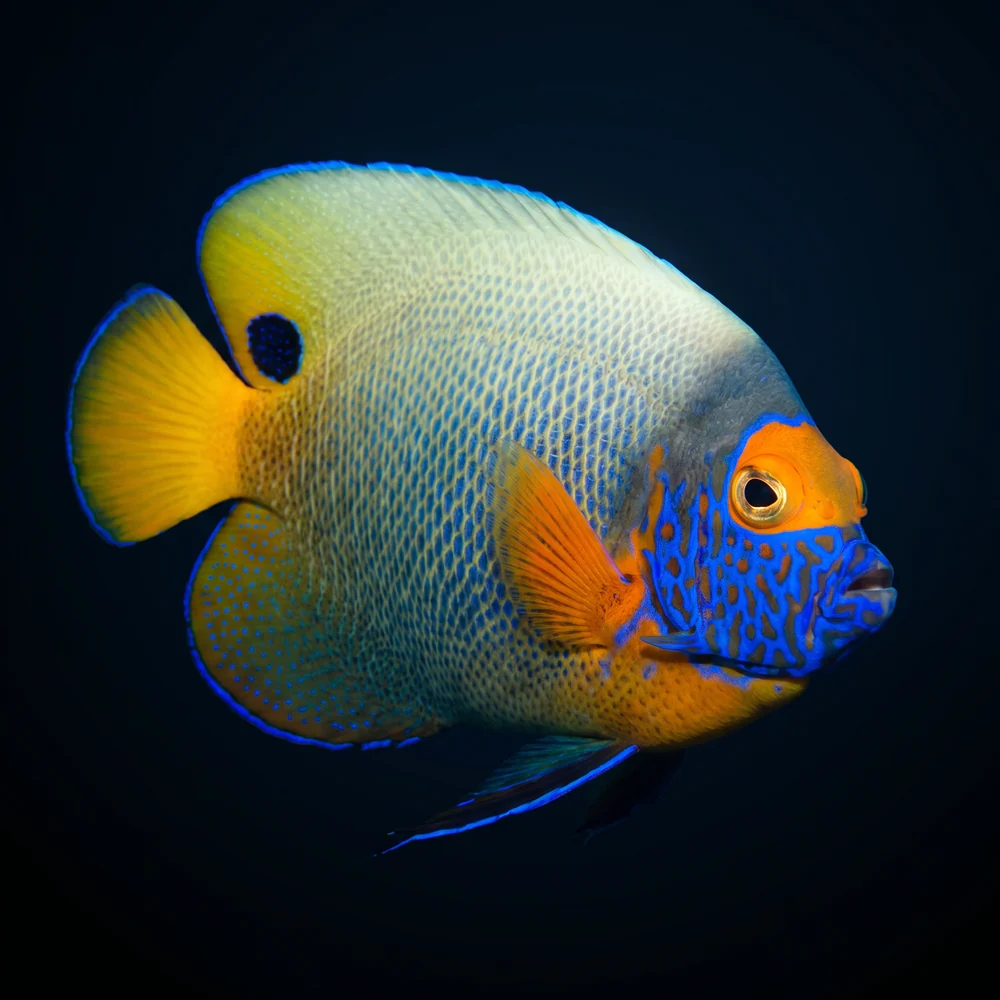
Blue Face Angelfish

Pomacanthus xanthometopon

Care Level

Moderate

Temperament

Semi-Aggressive

Reef Safe

No

Diet

Omnivore

Tank Size

220 gallons

Max Size

15 inches

Flagfin Angelfish

Apolemichthys trimaculatus

Care Level

Expert

Temperament

Semi-Aggressive

Reef Safe

No

Diet

Omnivore

Tank Size

125 gallons

Max Size

10 inches

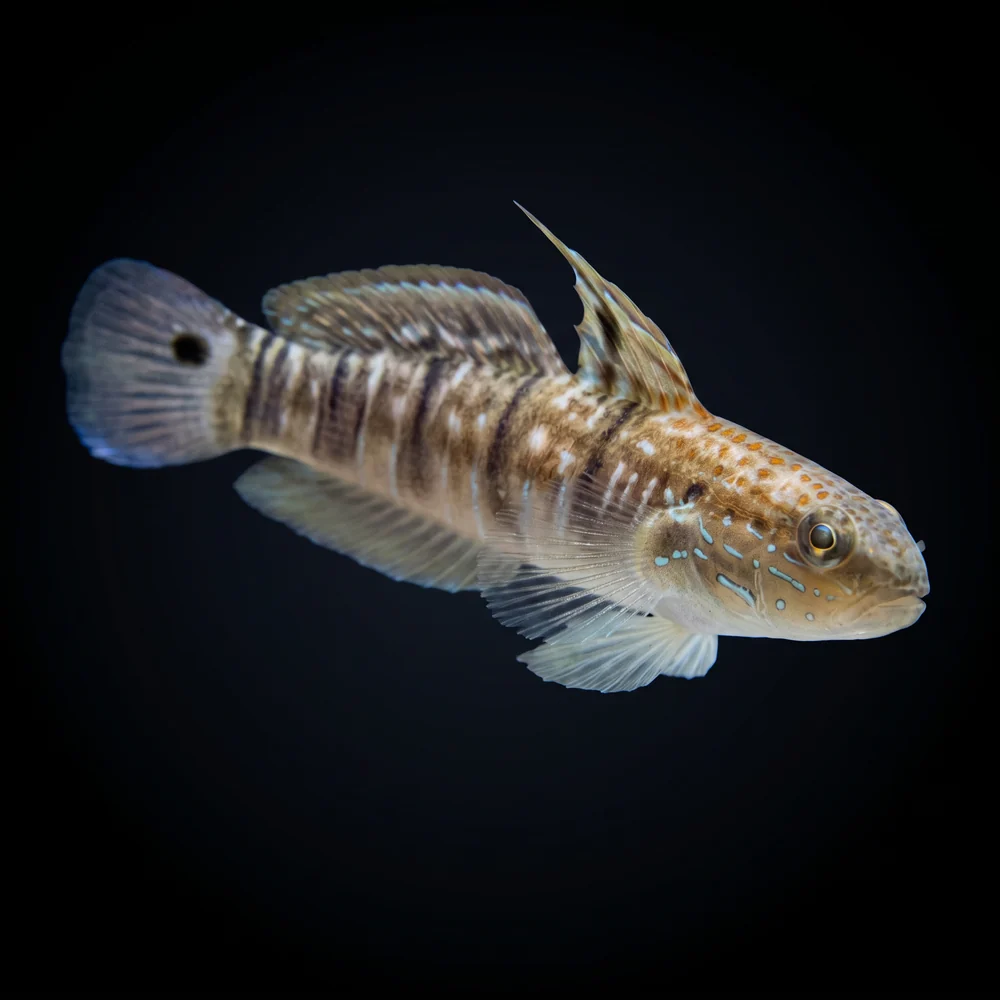
Bella Sleeper Goby

Valenciennea bella

Care Level

Moderate

Temperament

Peaceful

Reef Safe

With Caution

Diet

Carnivore

Tank Size

30 gallons

Max Size

6 inches

Banded Sleeper Goby

Amblygobius phalaena

Care Level

Easy

Temperament

Peaceful

Reef Safe

Yes

Diet

Omnivore

Tank Size

30 gallons

Max Size

6 inches

Bluesided Fairy Wrasse

Cirrhilabrus cyanopleura

Care Level

Easy

Temperament

Peaceful

Reef Safe

Yes

Diet

Carnivore

Tank Size

75 gallons

Max Size

5.9 inches

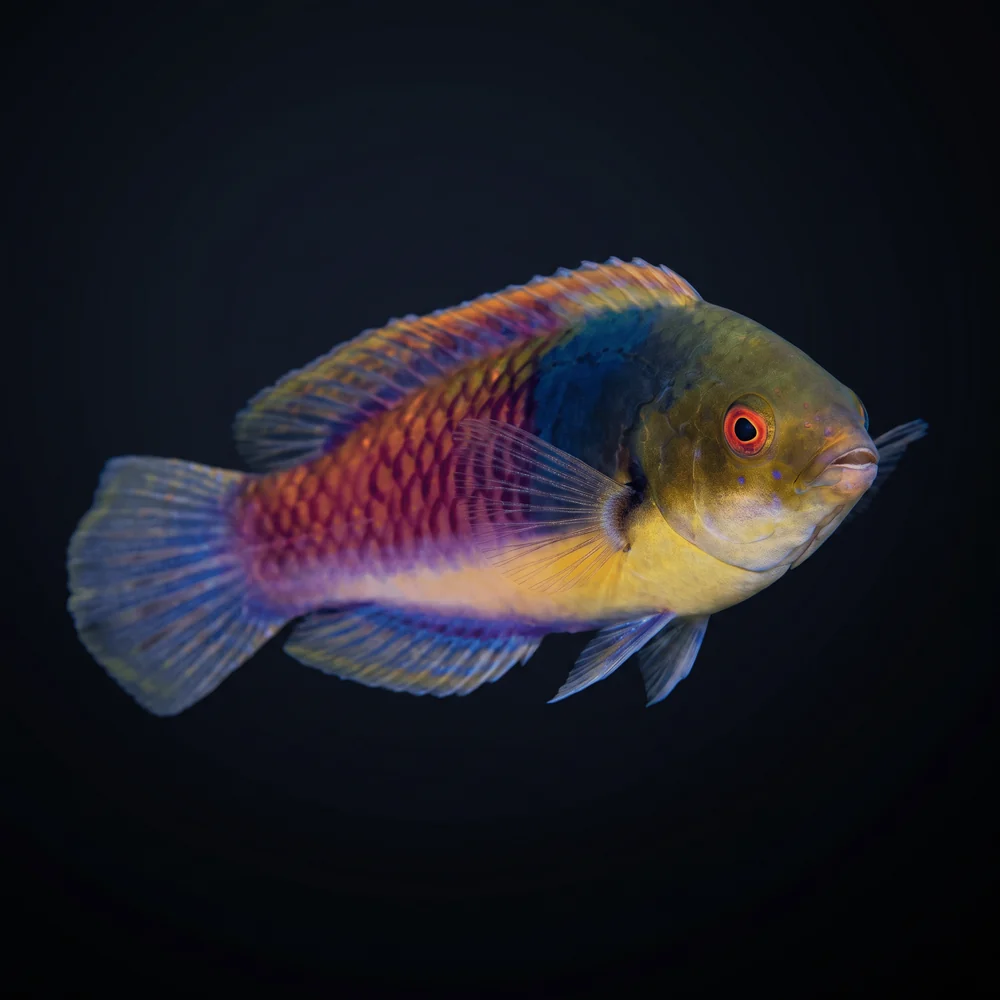
Beau’s Fairy Wrasse

Cirrhilabrus beauperryi

Care Level

Moderate

Temperament

Peaceful

Reef Safe

Yes

Diet

Carnivore

Tank Size

40 gallons

Max Size

4 inches

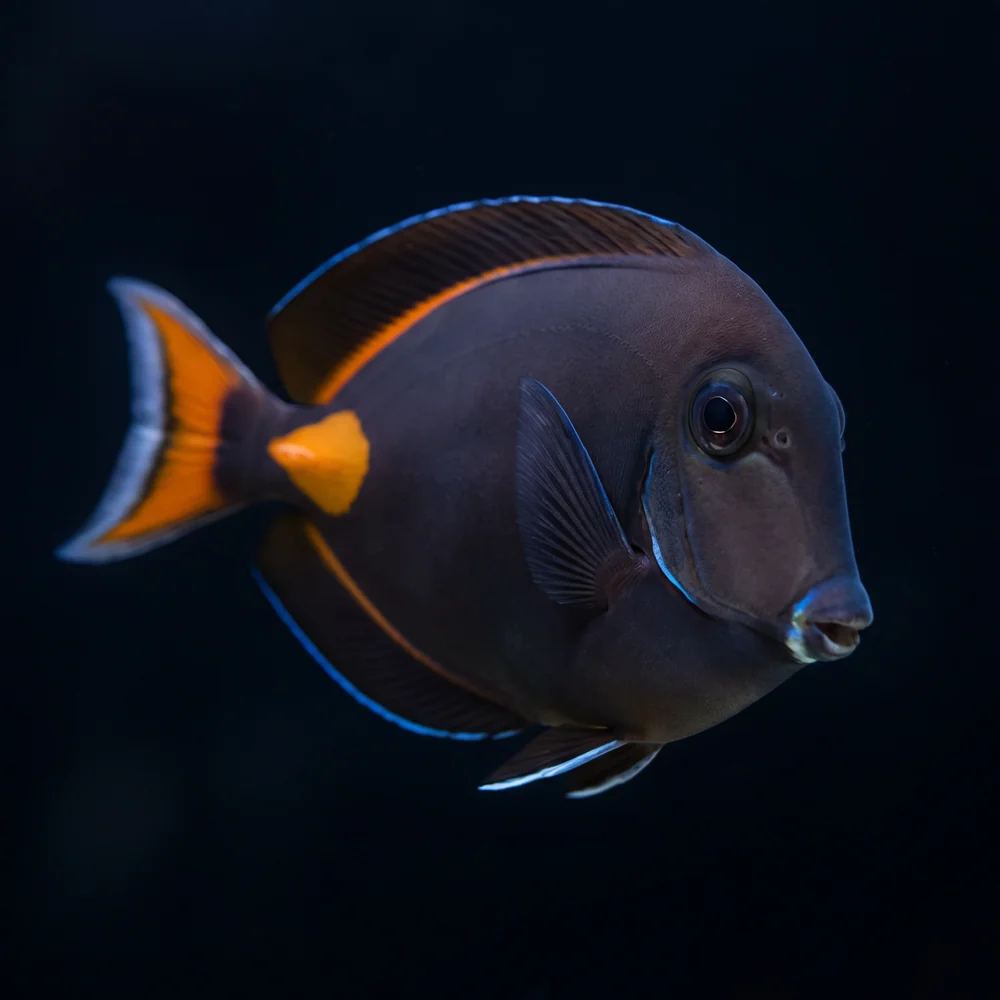
Achilles Tang

Acanthurus achilles

Care Level

Expert

Temperament

Semi-Aggressive

Reef Safe

Yes

Diet

Herbivore

Tank Size

180 gallons

Max Size

10 inches

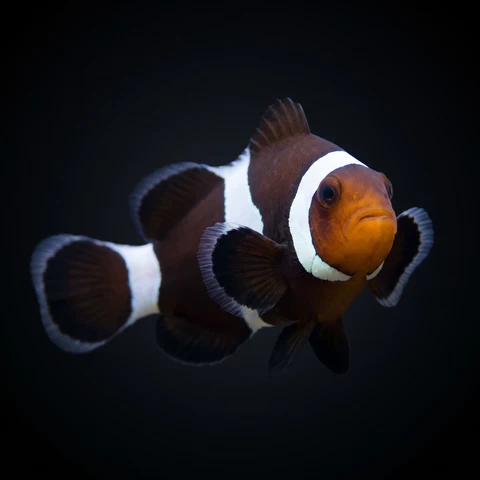
Black Ocellaris Clownfish

Amphiprion ocellaris

Care Level

Easy

Temperament

Peaceful

Reef Safe

Yes

Diet

Omnivore

Tank Size

30 gallons

Max Size

4.3 inches

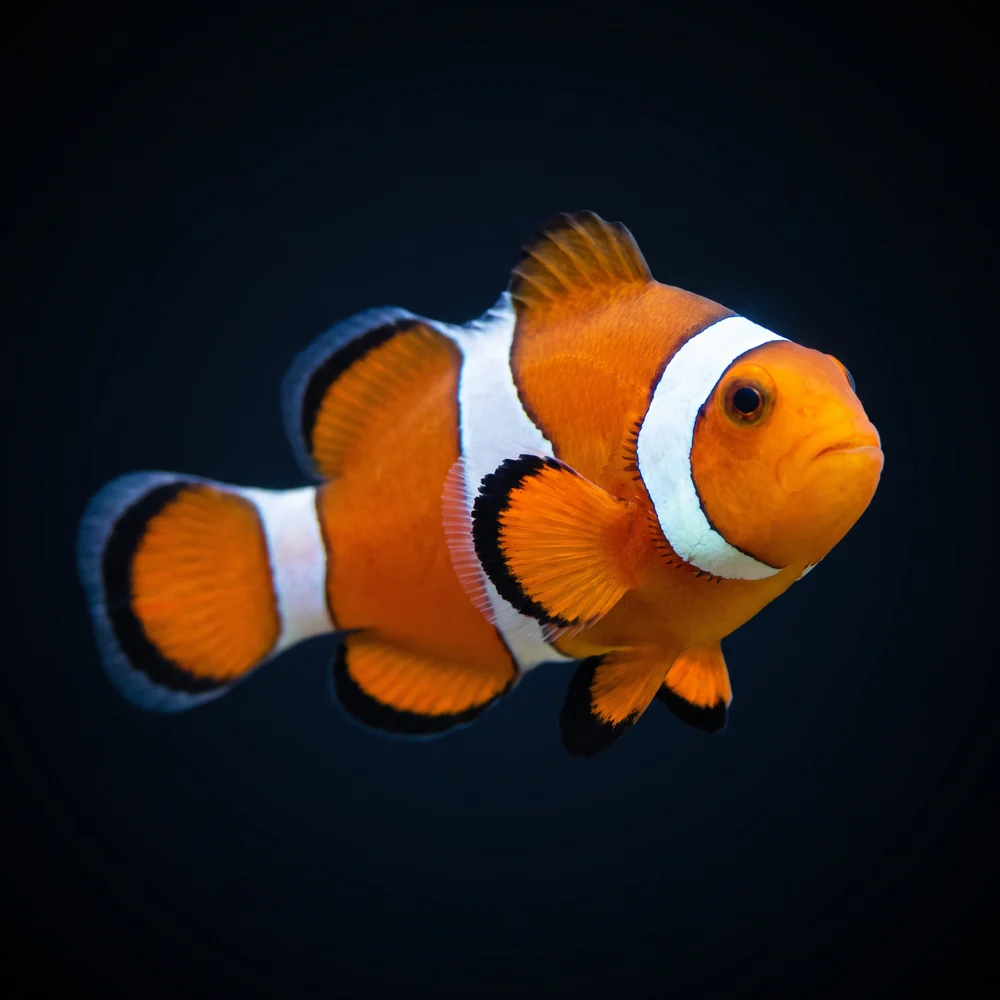
Ocellaris Clownfish

Amphiprion ocellaris

Care Level

Easy

Temperament

Peaceful

Reef Safe

Yes

Diet

Omnivore

Tank Size

30 gallons

Max Size

4.3 inches

Research saltwater aquarium fish before choosing a species

This saltwater fish guide is designed for identification, care research, and compatibility planning. Search by a common or scientific name, browse familiar families, or open the complete profile index to compare marine fish across the full glossary. Each species profile summarizes the practical questions aquarists ask first: adult size, minimum tank size, temperament, diet, reef safety, and general care level.

A fish that is hardy in one system may still be a poor fit in another. Tank dimensions, swimming behavior, feeding competition, aquascape, and existing livestock all affect the outcome. Use the glossary to create a shortlist, then confirm that the aquarium can support the fish at its adult size rather than selecting only for its size at purchase.


Compare tank size, behavior, and compatibility

Minimum tank recommendations are a starting point. Active open-water swimmers may need more horizontal room than a similarly sized fish that remains near a burrow or rock ledge. Territorial species also benefit from visual barriers and enough separate habitat to avoid constant conflict. When planning a community, compare where each fish lives, how it feeds, and whether it is likely to defend the same area.

Temperament labels simplify a spectrum of behavior. Individual fish vary, and aggression can increase with maturity, crowding, or the addition of close relatives. Introduce livestock in a deliberate order, avoid combining species that compete for exactly the same niche, and have a plan if a new arrival is persistently bullied. Our focused guides for tangs, wrasses, gobies, clownfish, and angelfish make family-level comparisons easier.

Understand reef safety and feeding needs

“Reef safe” is not a guarantee that every individual will ignore every coral or invertebrate. Some fish are generally compatible with corals but may eat ornamental shrimp, snails, worms, or other small animals. Others are considered reef safe with caution because nipping risk changes by species, individual, diet, and aquarium conditions. Read the profile notes and judge reef safety against the animals actually kept in your system.

Diet is equally important. A fish may accept prepared foods yet still need frequent feeding, mature live rock, algae to graze, or a dependable population of copepods. Confirm the food type and feeding frequency before purchase. Observe new fish eating, offer appropriate variety, and avoid assuming that a general community food meets every specialized requirement.