Shopping Cart
No products in the cart.

◈ Tees Hub

Wrasses

Compare saltwater wrasse species by tank size, feeding needs, temperament, substrate needs, and reef safety.

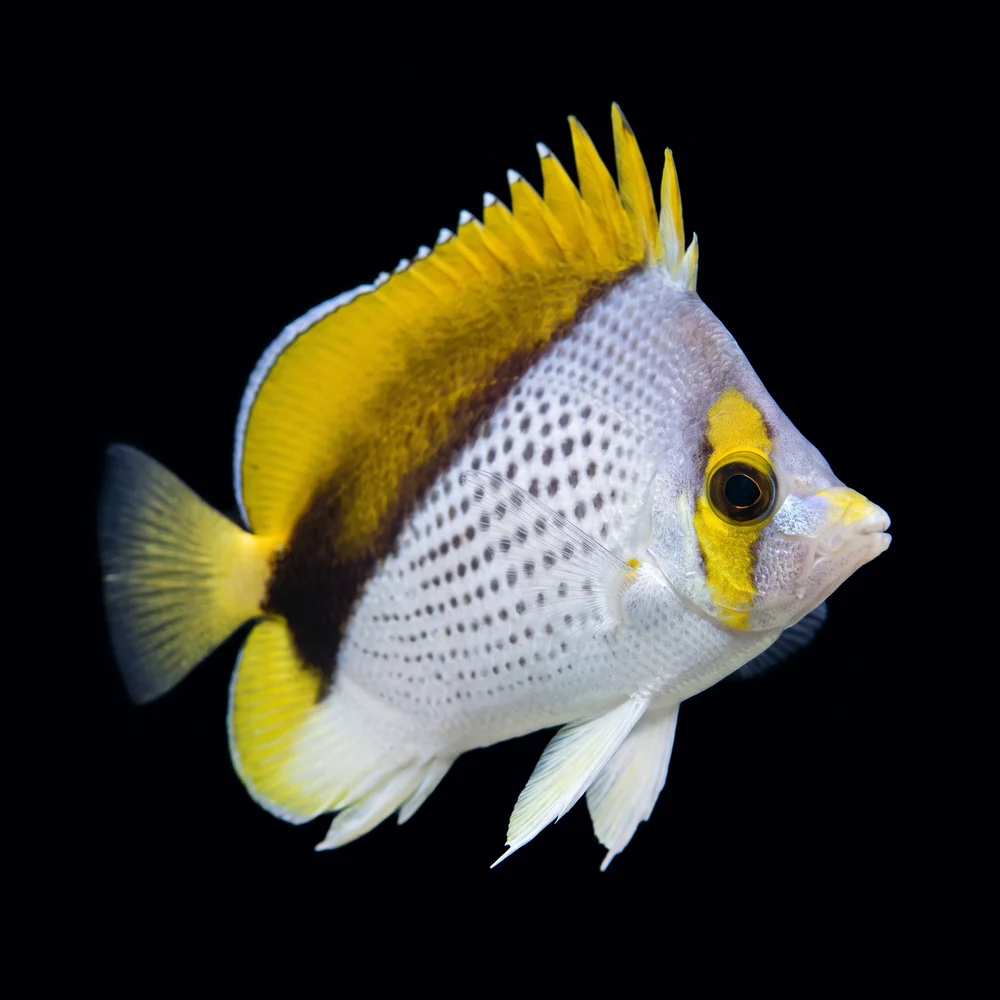
Declivis Butterflyfish

Chaetodon declivis

Care Level

Moderate

Temperament

Peaceful

Reef Safe

No

Diet

Omnivore

Tank Size

120 gallons

Max Size

5 inches

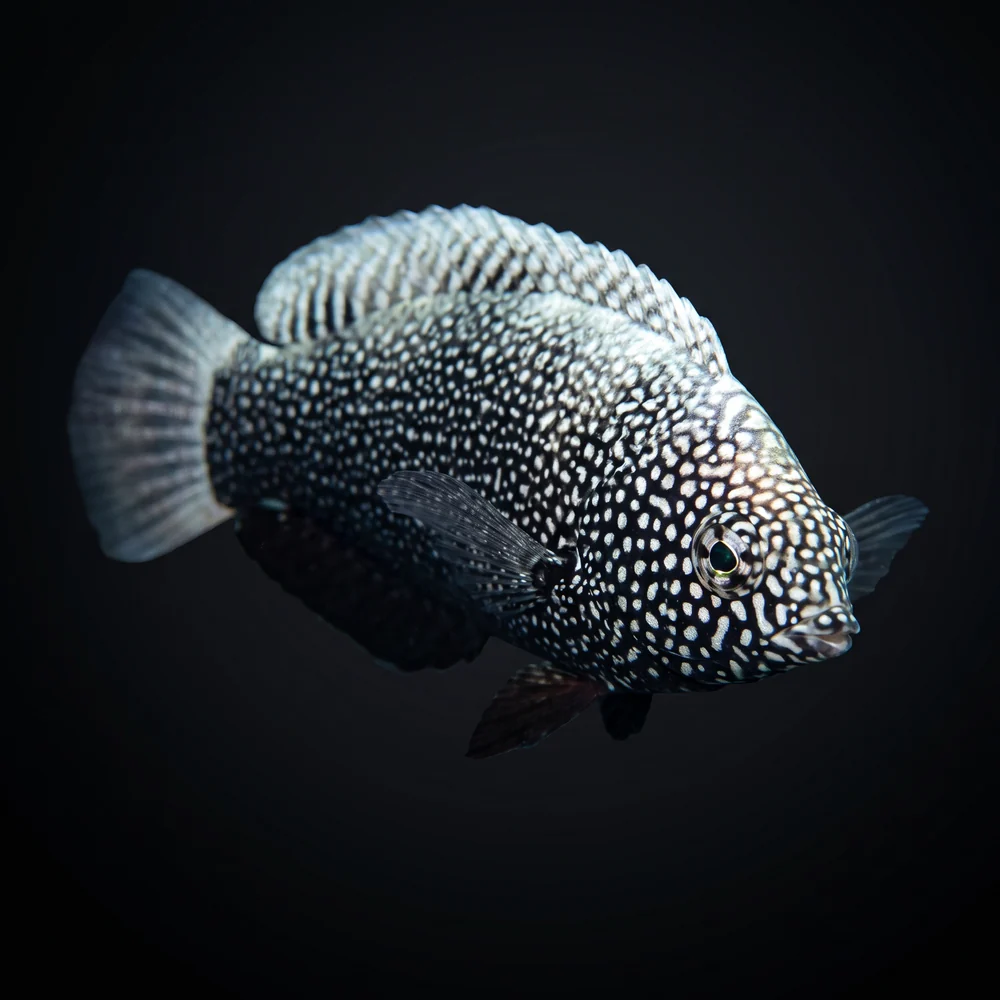
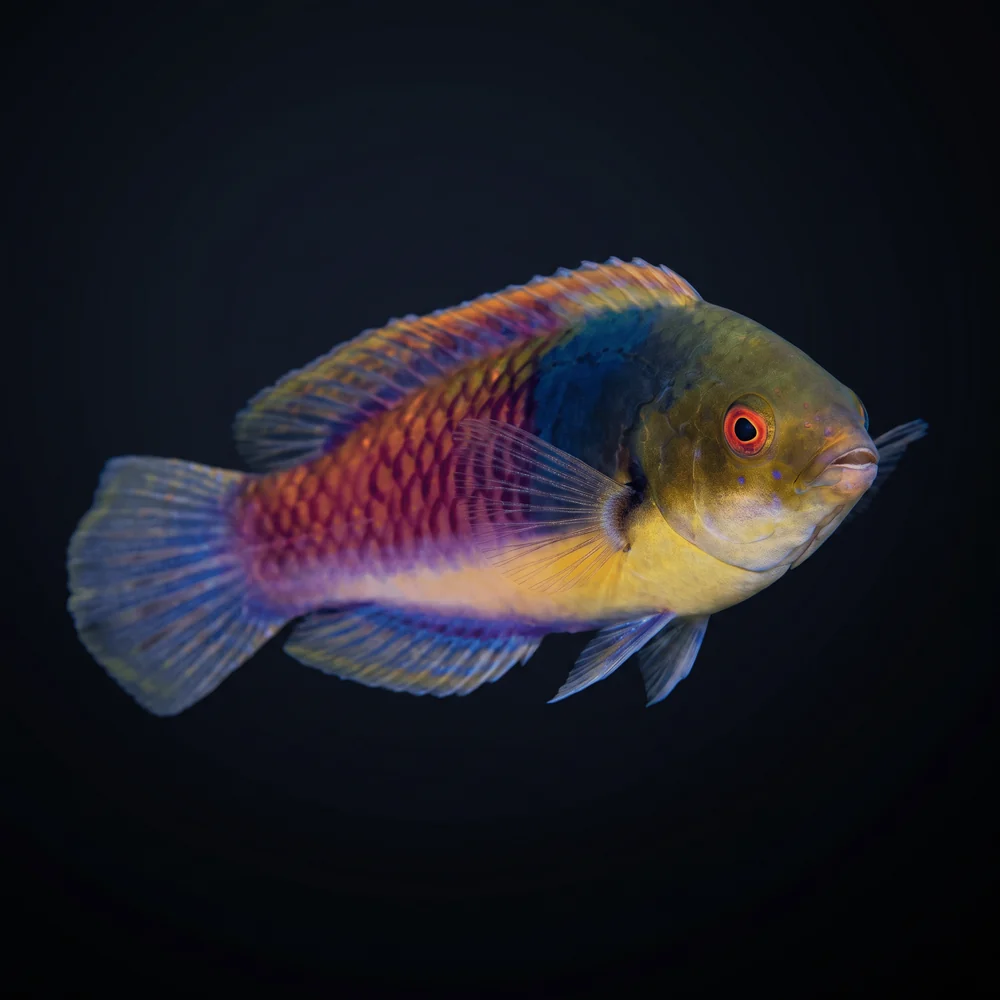
Black Leopard Wrasse

Macropharyngodon negrosensis

Care Level

Expert

Temperament

Peaceful

Reef Safe

Yes

Diet

Carnivore

Tank Size

90 gallons

Max Size

5 inches

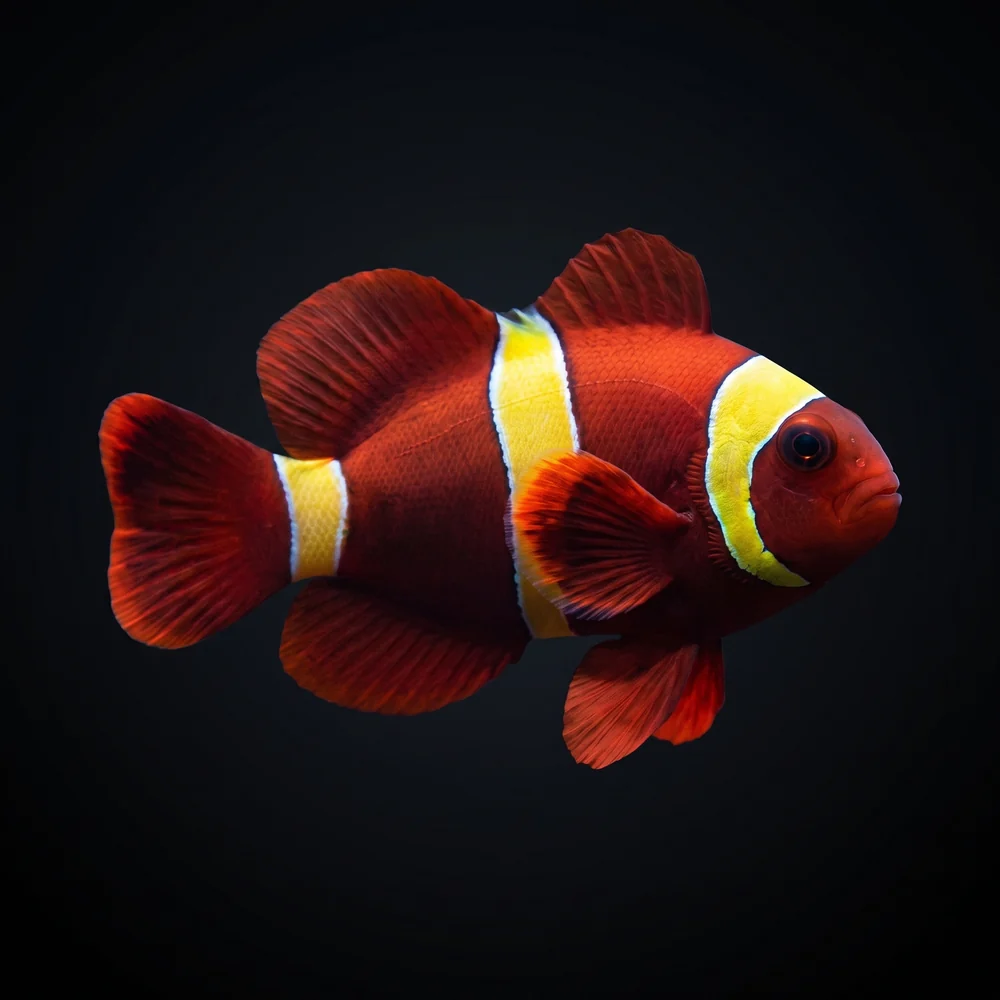
Gold Stripe Maroon Clownfish

Premnas biaculeatus

Care Level

Easy

Temperament

Semi-Aggressive

Reef Safe

Yes

Diet

Omnivore

Tank Size

30 gallons

Max Size

3 inches

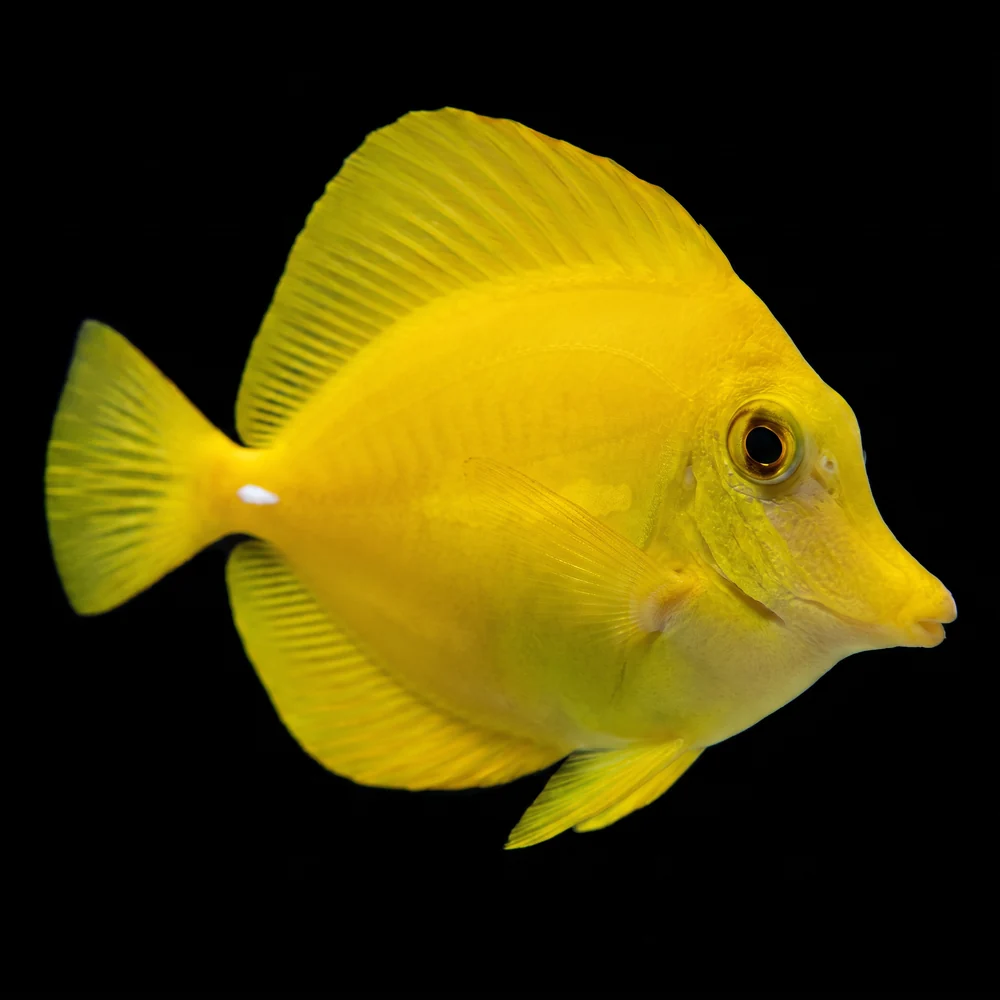
Yellow Tang

Zebrasoma flavescens

Care Level

Moderate

Temperament

Semi-Aggressive

Reef Safe

Yes

Diet

Herbivore

Tank Size

100 gallons

Max Size

8 inches

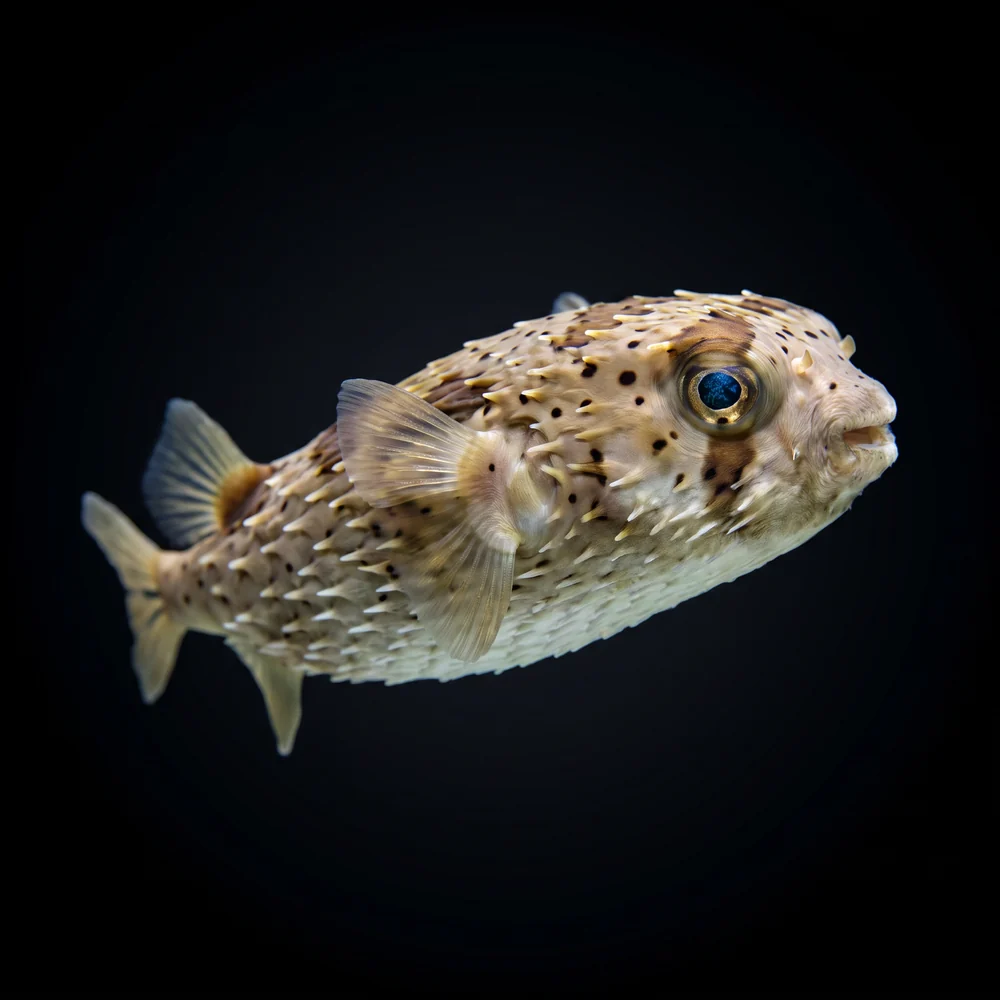
Porcupine Puffer

Diodon holocanthus

Care Level

Moderate

Temperament

Semi-Aggressive

Reef Safe

No

Diet

Carnivore

Tank Size

180 gallons

Max Size

20 inches

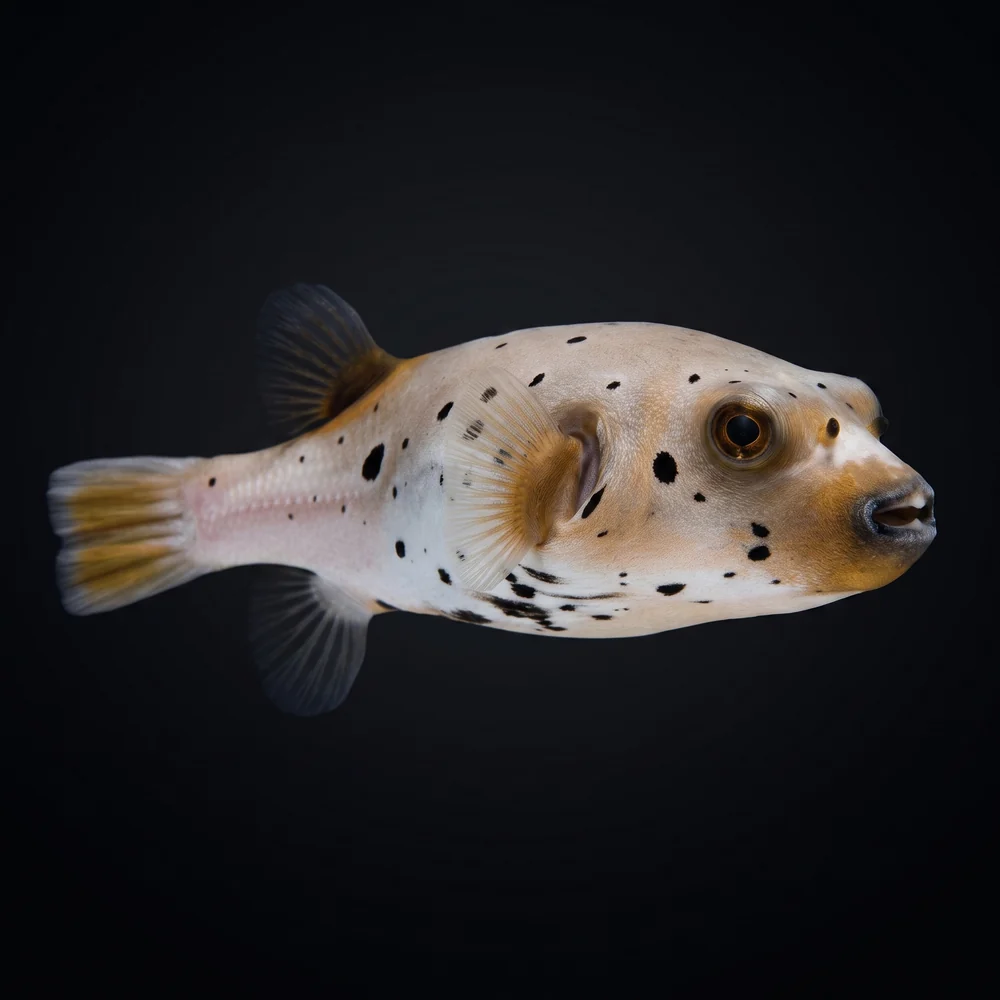
Dogface Puffer

Arothron nigropunctatus

Care Level

Moderate

Temperament

Semi-Aggressive

Reef Safe

No

Diet

Carnivore

Tank Size

125 gallons

Max Size

13 inches

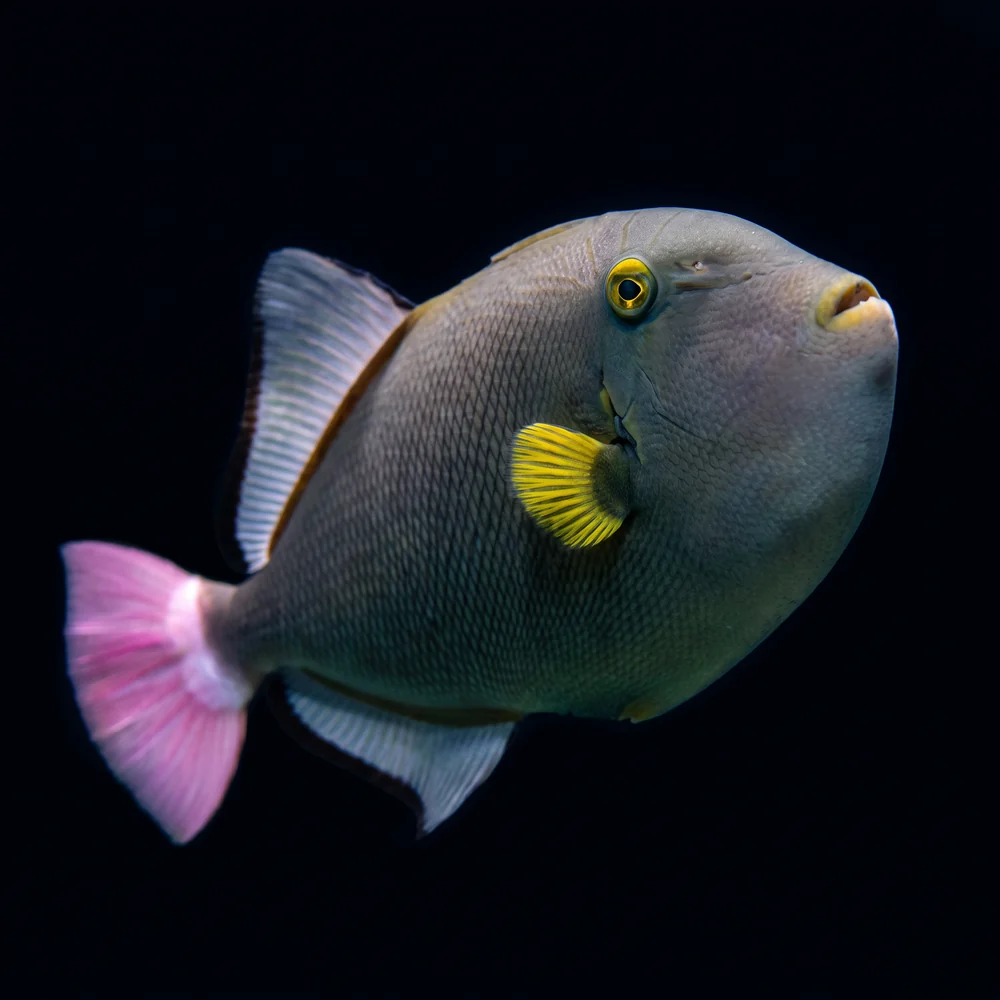
Pink Tail Triggerfish

Melichthys vidua

Care Level

Easy

Temperament

Semi-Aggressive

Reef Safe

With Caution

Diet

Carnivore

Tank Size

180 gallons

Max Size

16 inches

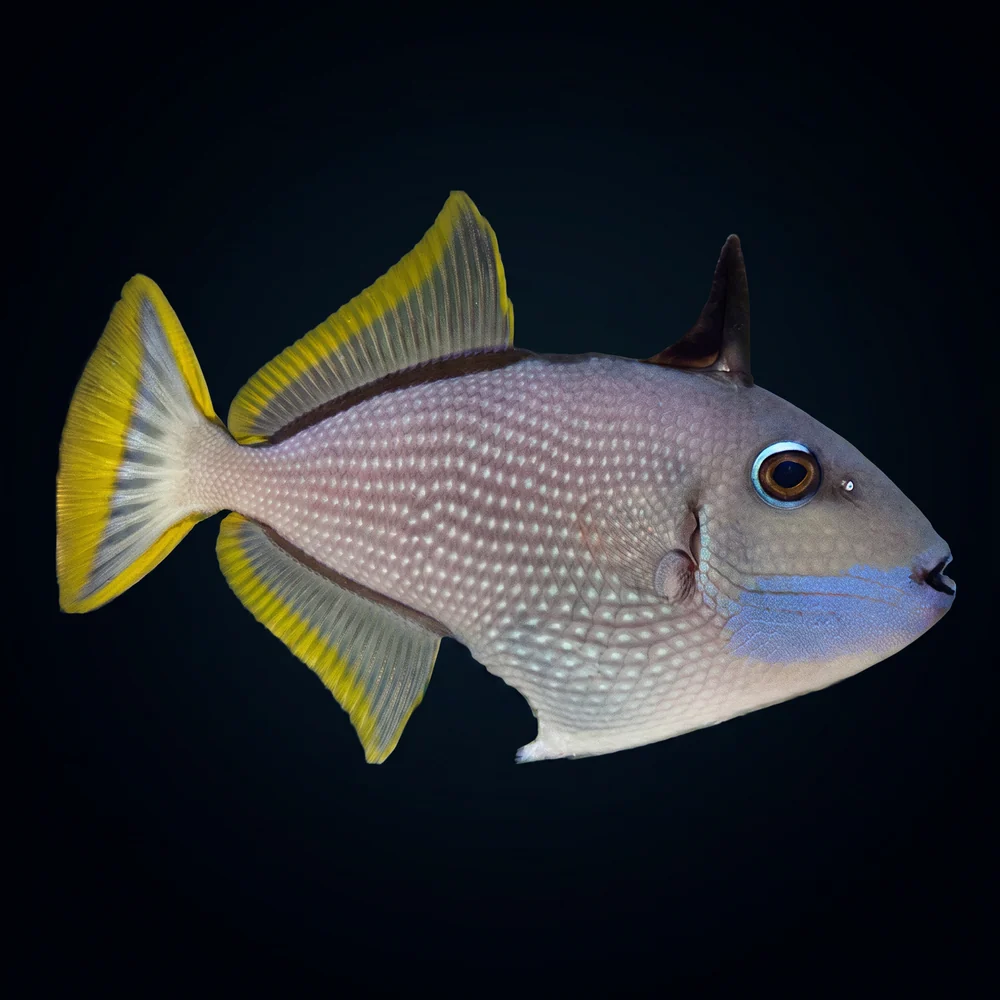
Blue Jaw Triggerfish

Xanthichthys auromarginatus

Care Level

Moderate

Temperament

Semi-Aggressive

Reef Safe

With Caution

Diet

Carnivore

Tank Size

180 gallons

Max Size

12 inches

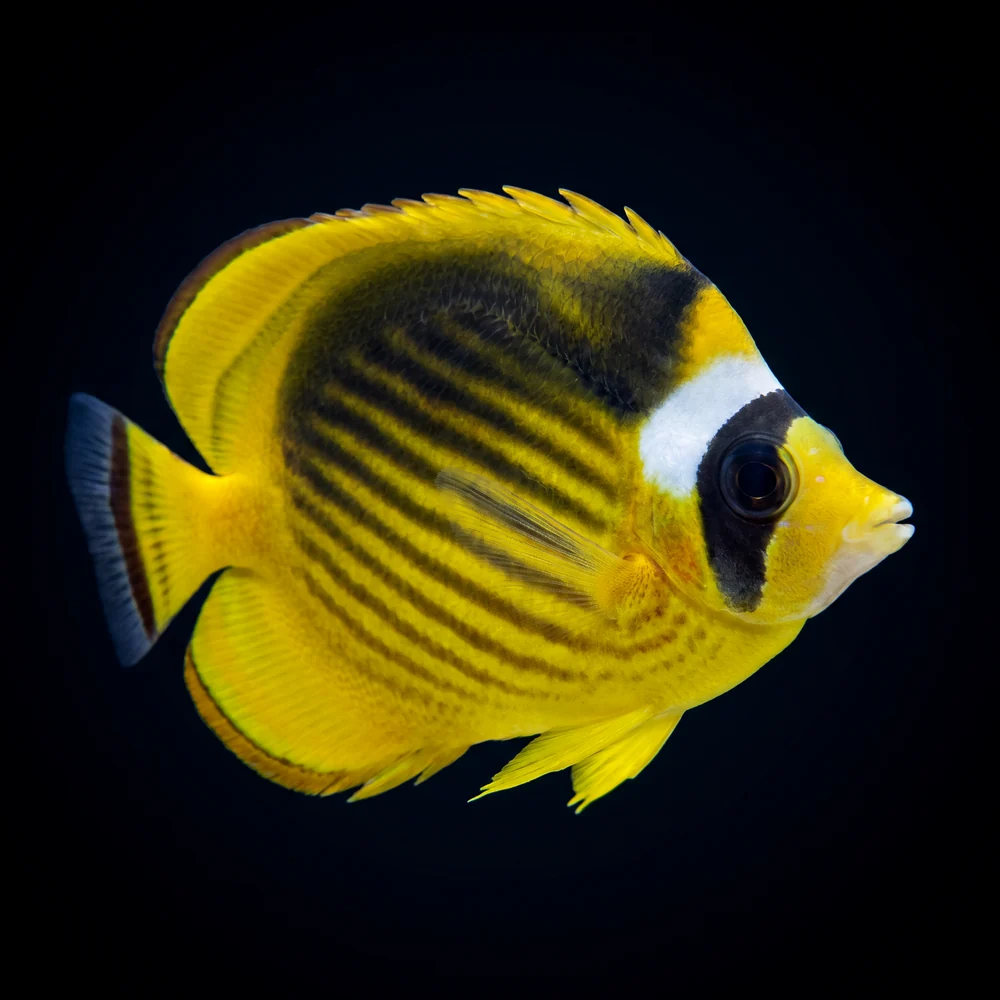
Raccoon Butterflyfish

Chaetodon lunula

Care Level

Easy

Temperament

Peaceful

Reef Safe

No

Diet

Omnivore

Tank Size

125 gallons

Max Size

8 inches

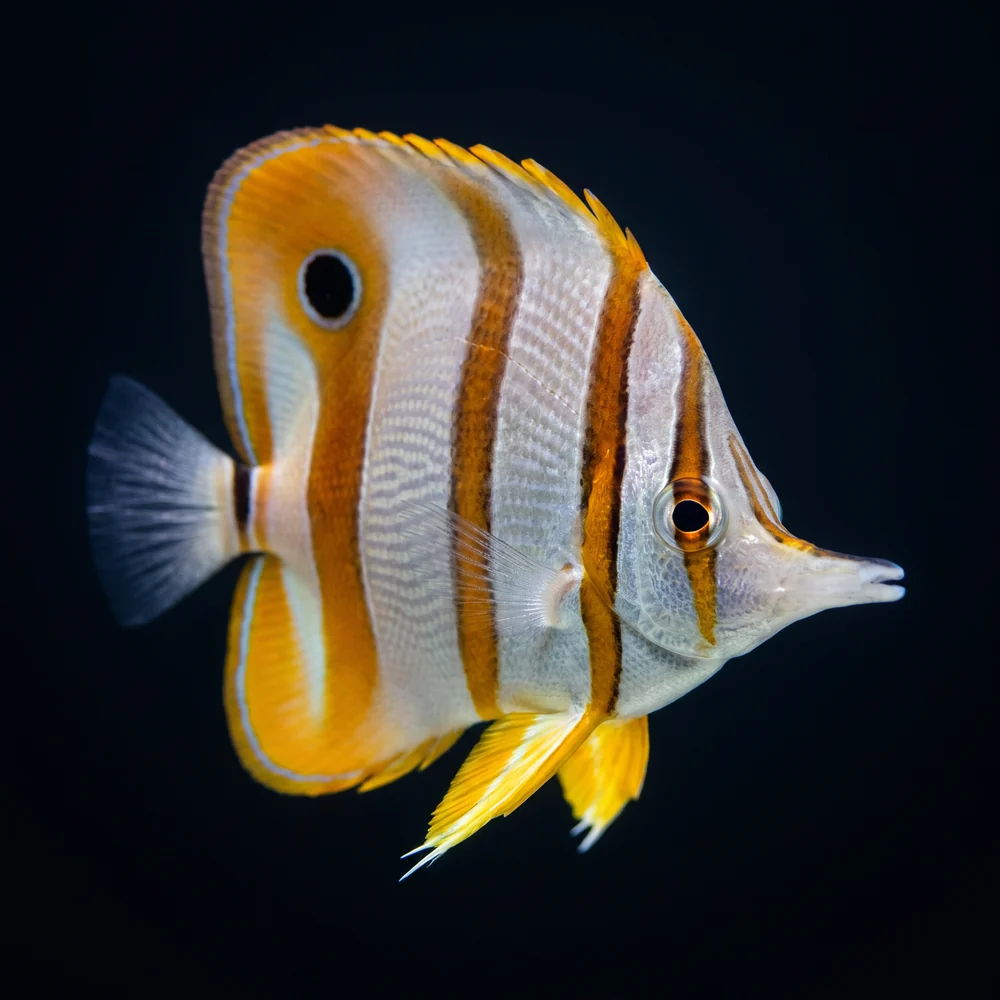
Copperband Butterflyfish

Chelmon rostratus

Care Level

Difficult

Temperament

Peaceful

Reef Safe

With Caution

Diet

Carnivore

Tank Size

120 gallons

Max Size

8 inches

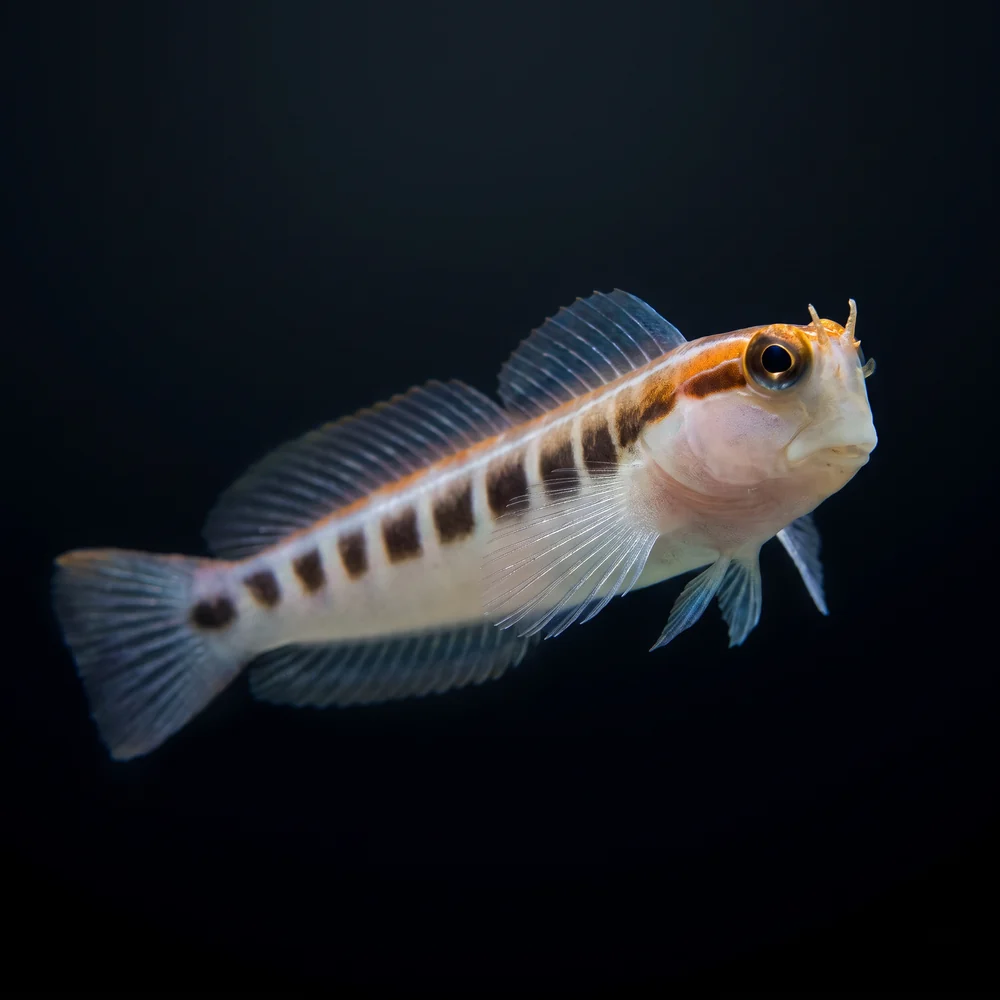
Linear Blenny

Ecsenius lineatus

Care Level

Moderate

Temperament

Peaceful

Reef Safe

With Caution

Diet

Omnivore

Tank Size

30 gallons

Max Size

3.5 inches

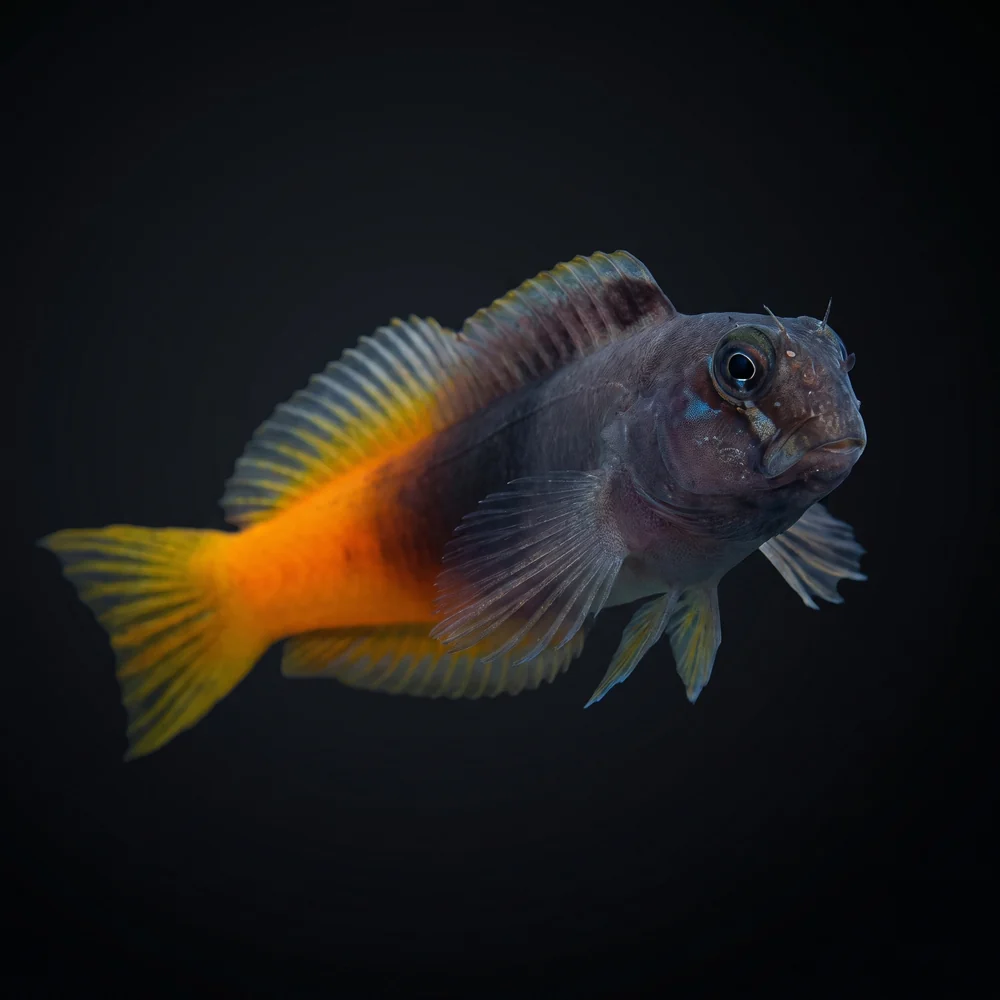
Bicolor Blenny

Ecsenius bicolor

Care Level

Easy

Temperament

Peaceful

Reef Safe

With Caution

Diet

Herbivore

Tank Size

30 gallons

Max Size

4.5 inches

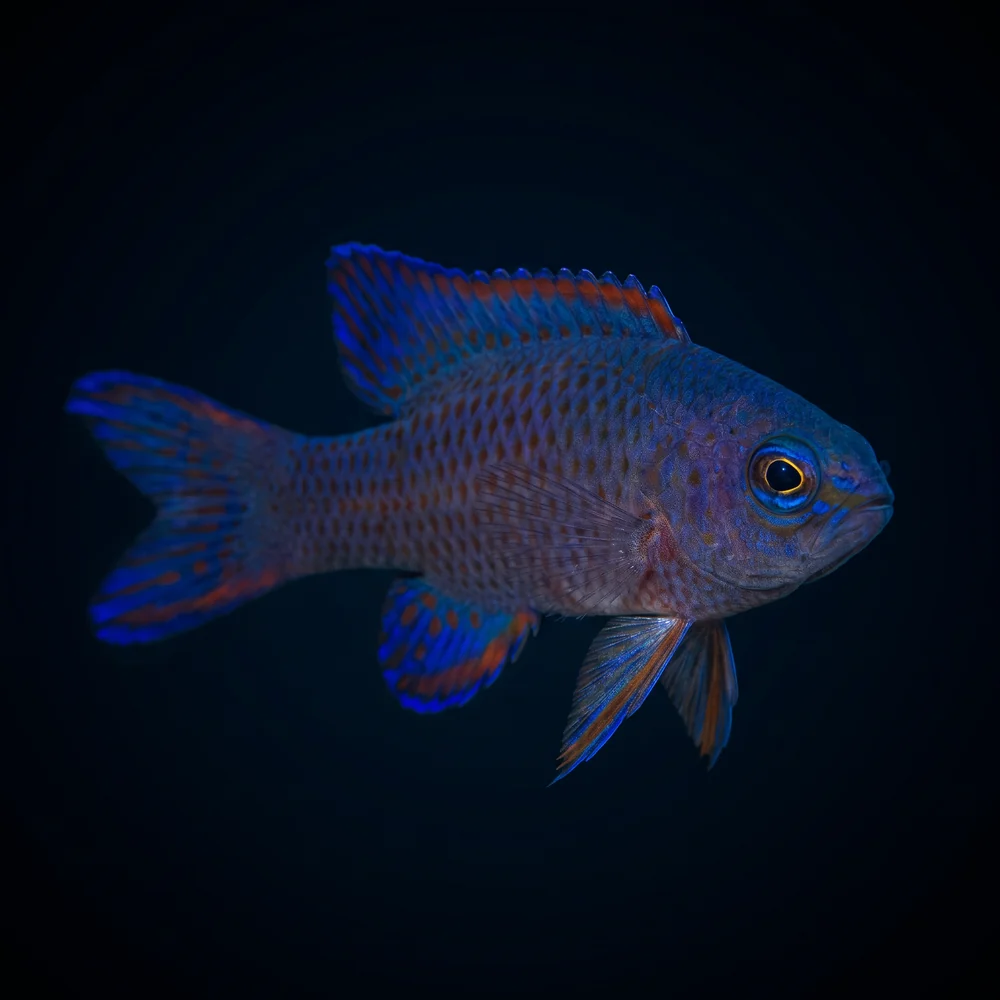
Randall’s Assessor Basslet

Assessor randalli

Care Level

Moderate

Temperament

Peaceful

Reef Safe

Yes

Diet

Carnivore

Tank Size

30 gallons

Max Size

3 inches

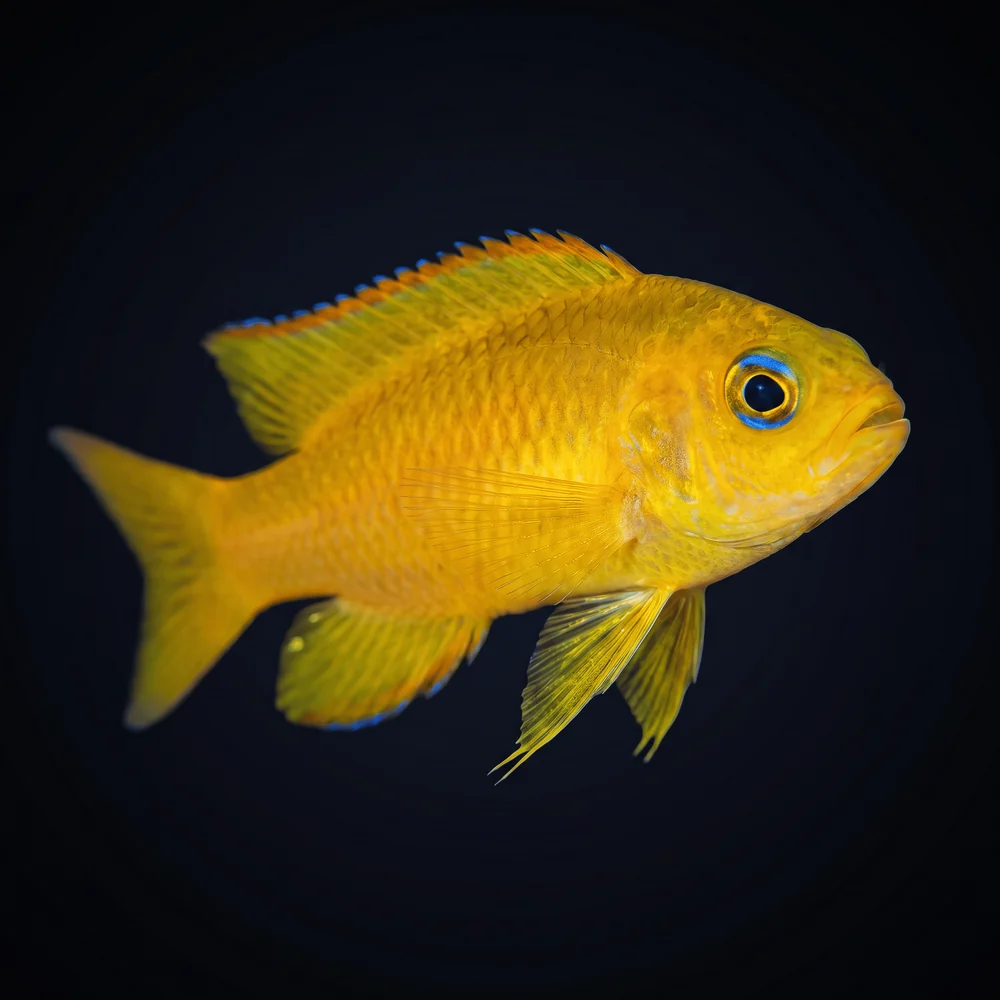
Assessor Basslet

Assessor flavissimus

Care Level

Moderate

Temperament

Peaceful

Reef Safe

Yes

Diet

Carnivore

Tank Size

30 gallons

Max Size

3 inches

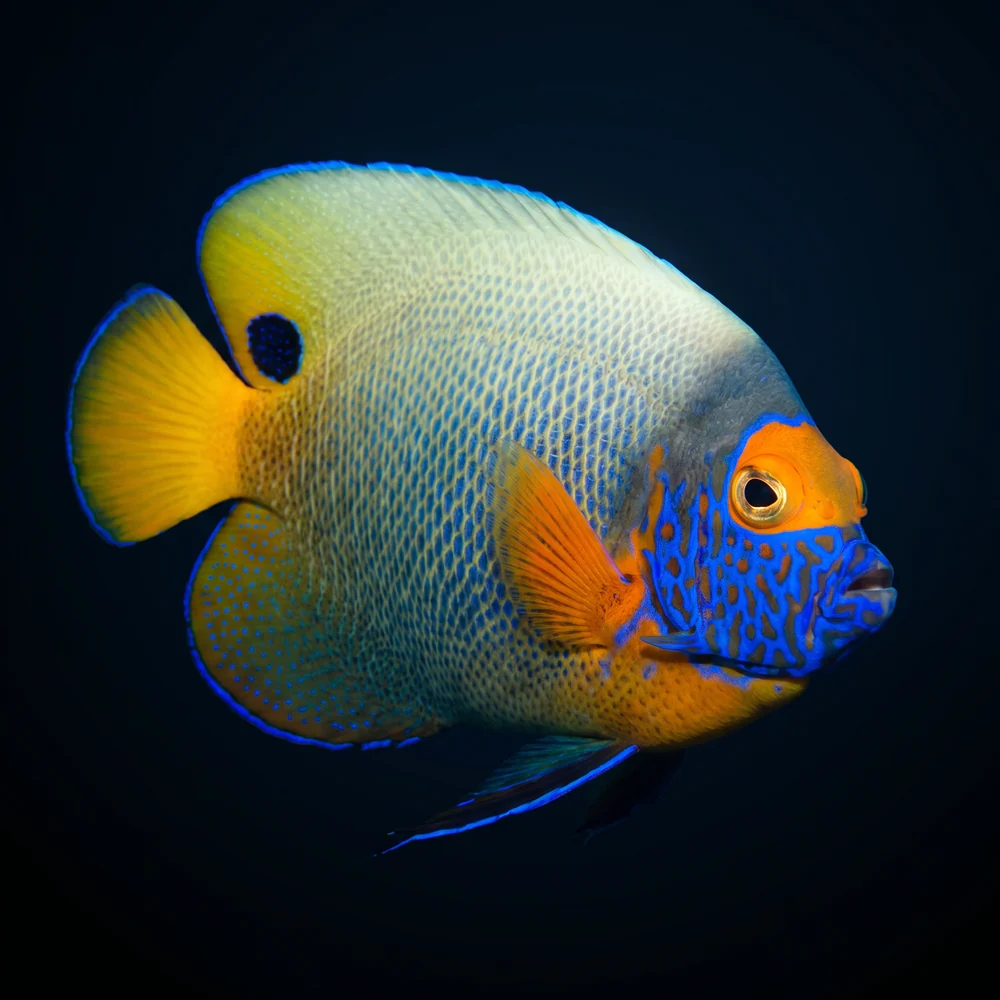
Blue Face Angelfish

Pomacanthus xanthometopon

Care Level

Moderate

Temperament

Semi-Aggressive

Reef Safe

No

Diet

Omnivore

Tank Size

220 gallons

Max Size

15 inches

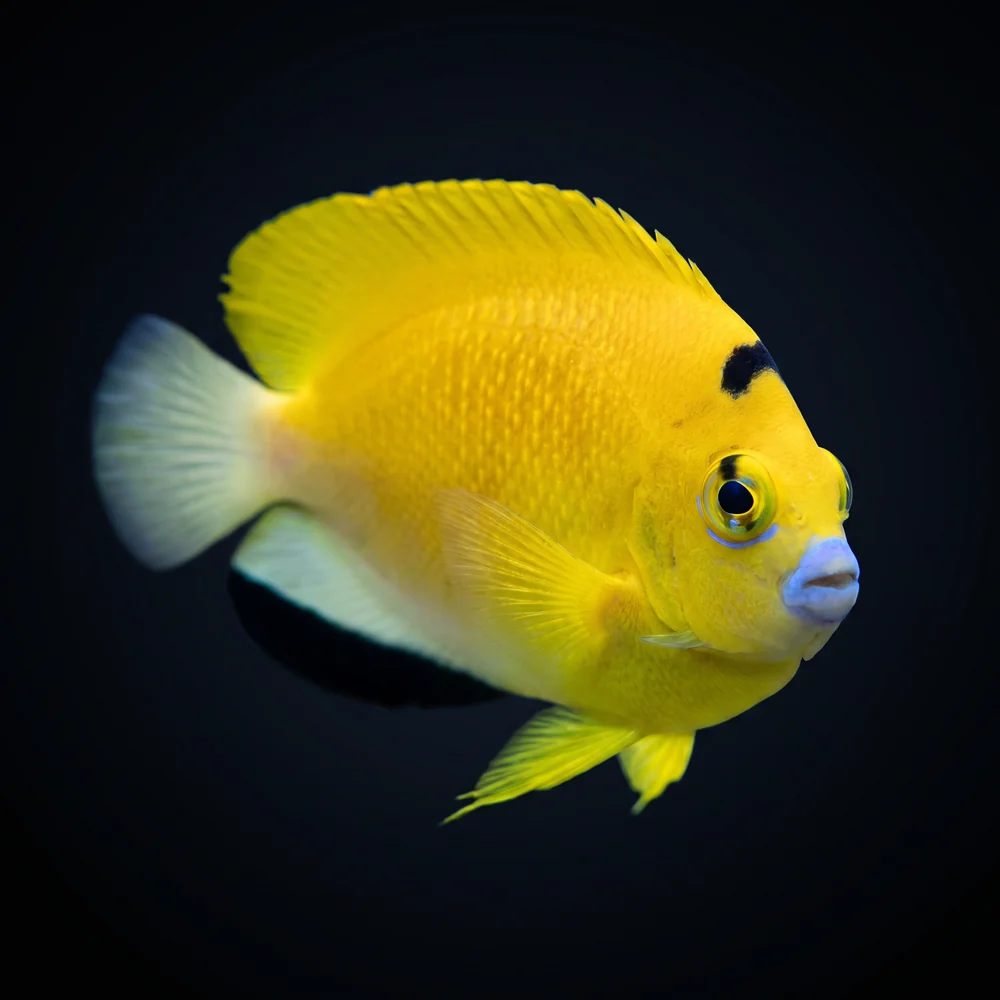
Flagfin Angelfish

Apolemichthys trimaculatus

Care Level

Expert

Temperament

Semi-Aggressive

Reef Safe

No

Diet

Omnivore

Tank Size

125 gallons

Max Size

10 inches

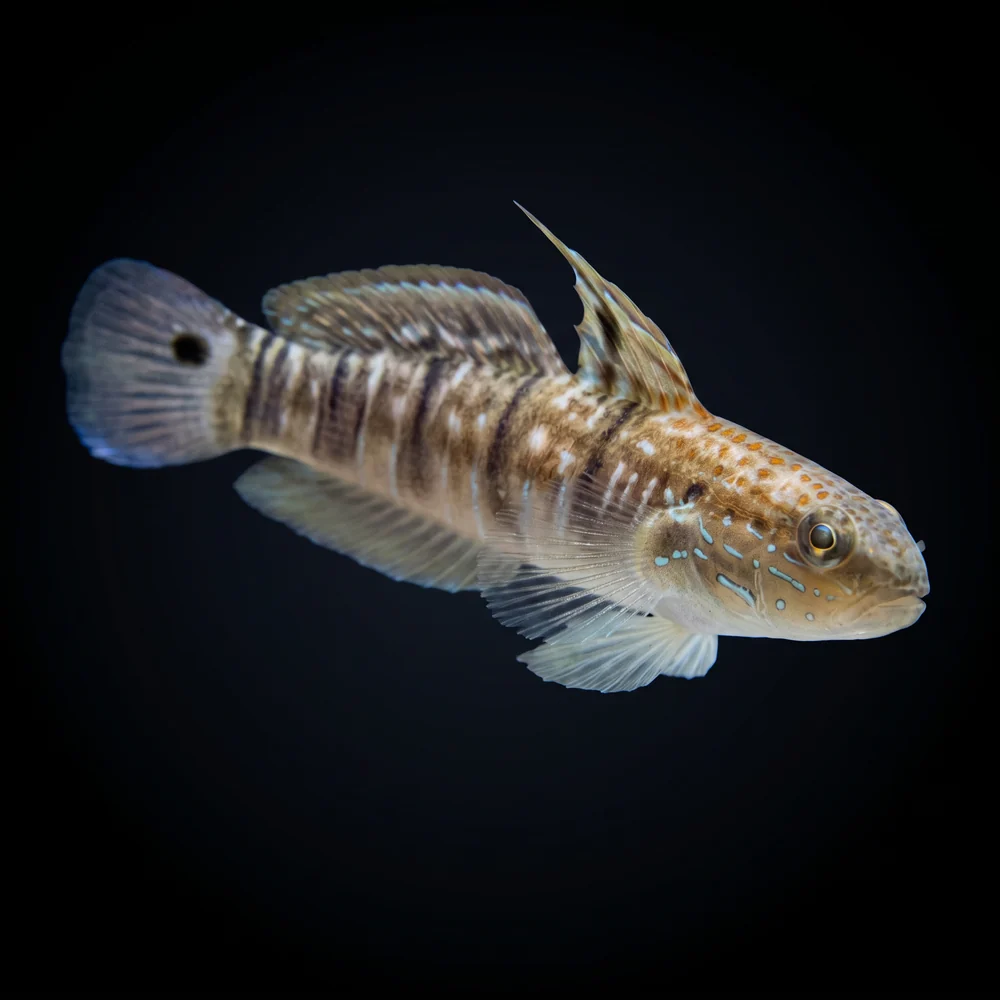
Bella Sleeper Goby

Valenciennea bella

Care Level

Moderate

Temperament

Peaceful

Reef Safe

With Caution

Diet

Carnivore

Tank Size

30 gallons

Max Size

6 inches

Banded Sleeper Goby

Amblygobius phalaena

Care Level

Easy

Temperament

Peaceful

Reef Safe

Yes

Diet

Omnivore

Tank Size

30 gallons

Max Size

6 inches

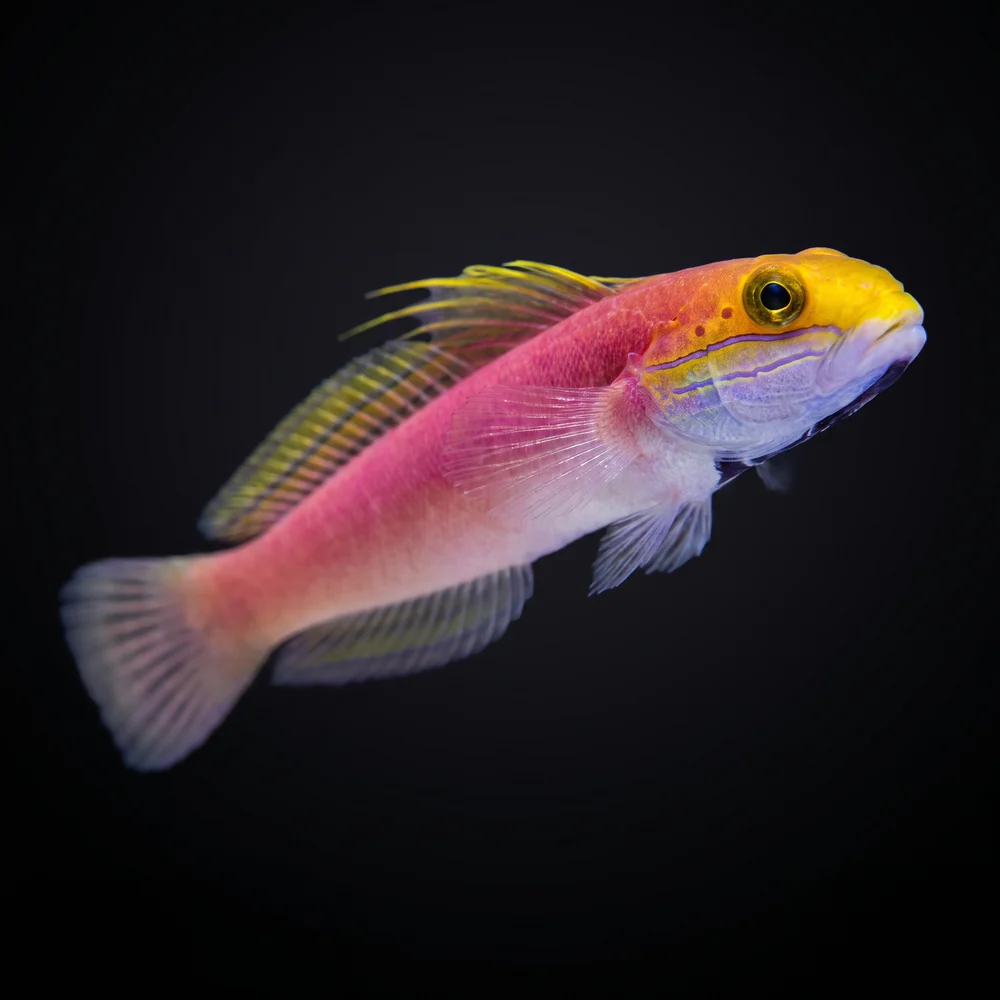
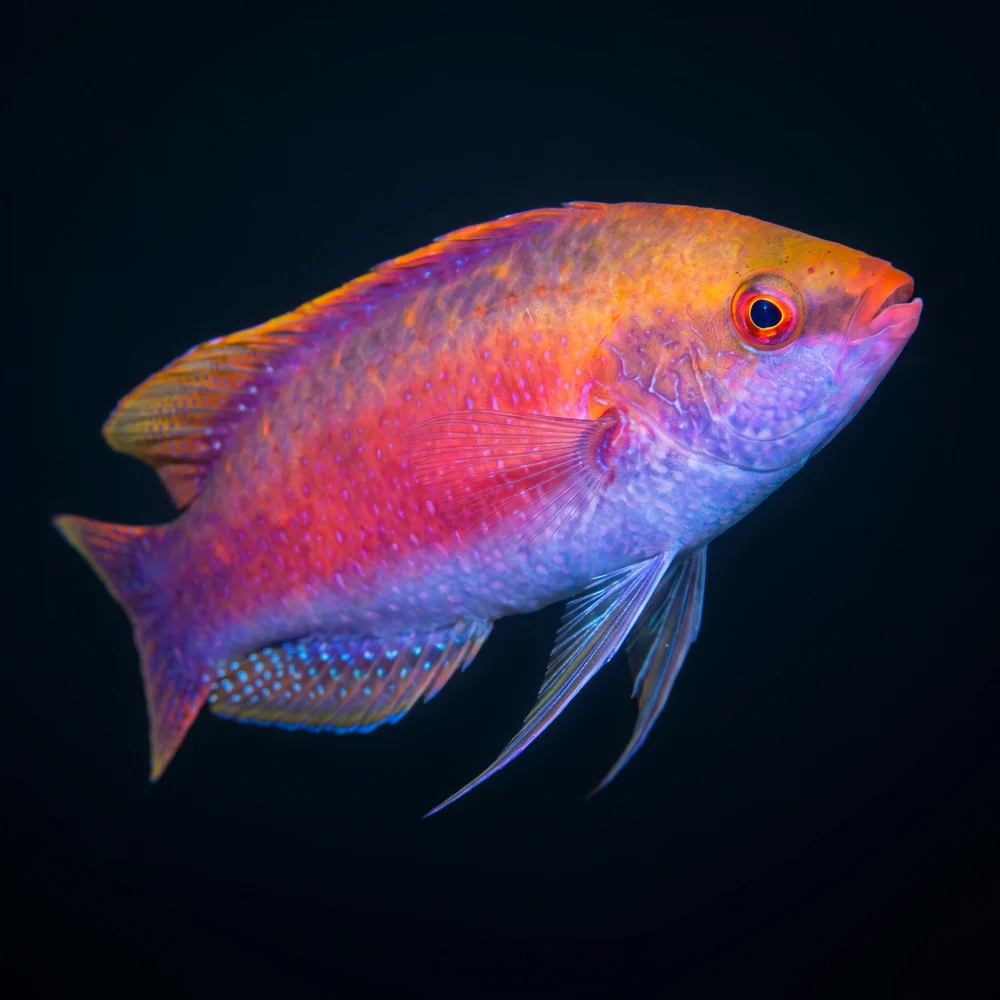
Bluesided Fairy Wrasse

Cirrhilabrus cyanopleura

Care Level

Easy

Temperament

Peaceful

Reef Safe

Yes

Diet

Carnivore

Tank Size

75 gallons

Max Size

5.9 inches

Beau’s Fairy Wrasse

Cirrhilabrus beauperryi

Care Level

Moderate

Temperament

Peaceful

Reef Safe

Yes

Diet

Carnivore

Tank Size

40 gallons

Max Size

4 inches

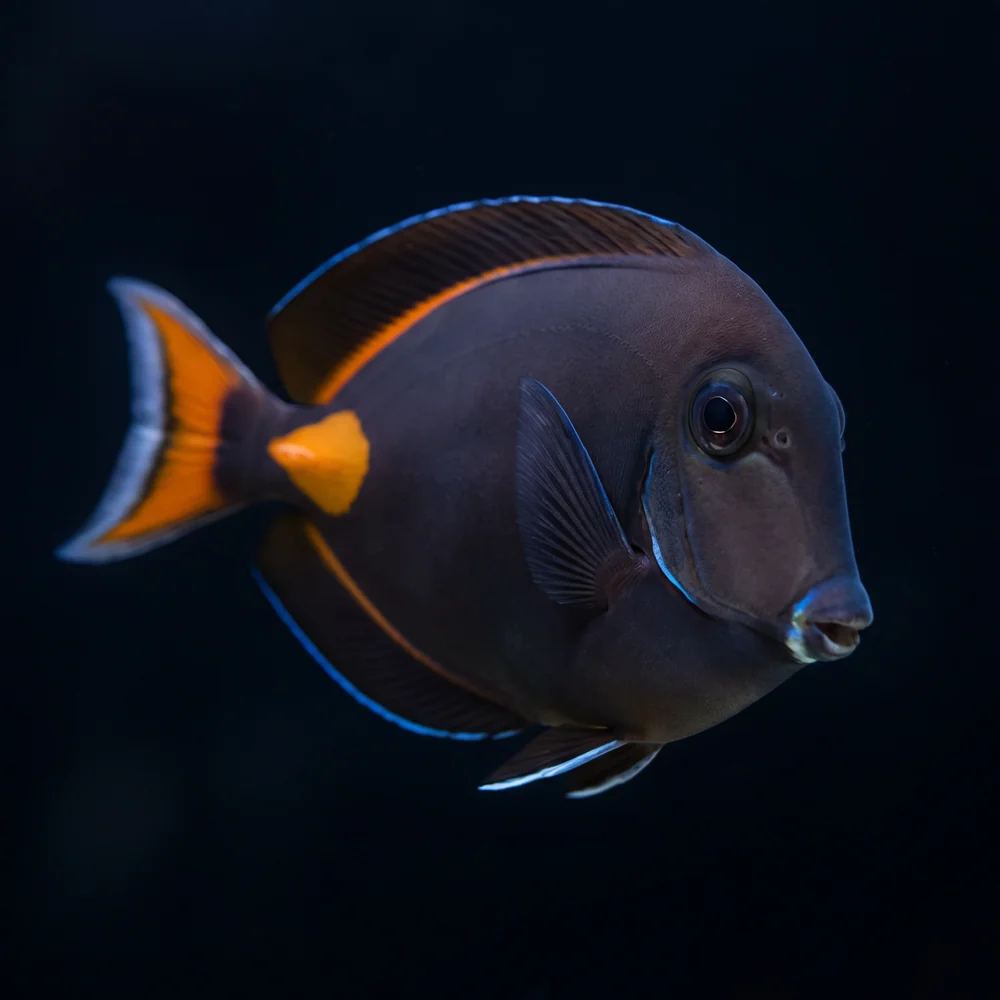
Achilles Tang

Acanthurus achilles

Care Level

Expert

Temperament

Semi-Aggressive

Reef Safe

Yes

Diet

Herbivore

Tank Size

180 gallons

Max Size

10 inches

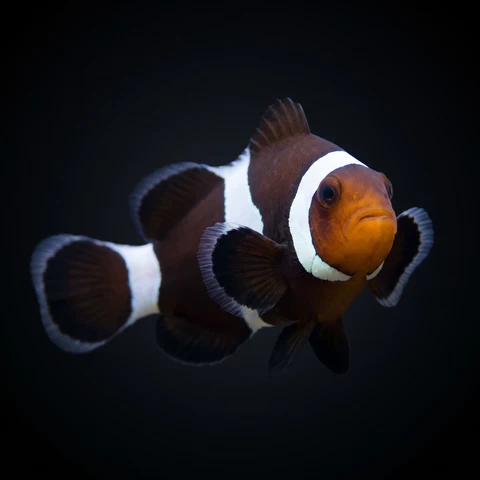
Black Ocellaris Clownfish

Amphiprion ocellaris

Care Level

Easy

Temperament

Peaceful

Reef Safe

Yes

Diet

Omnivore

Tank Size

30 gallons

Max Size

4.3 inches

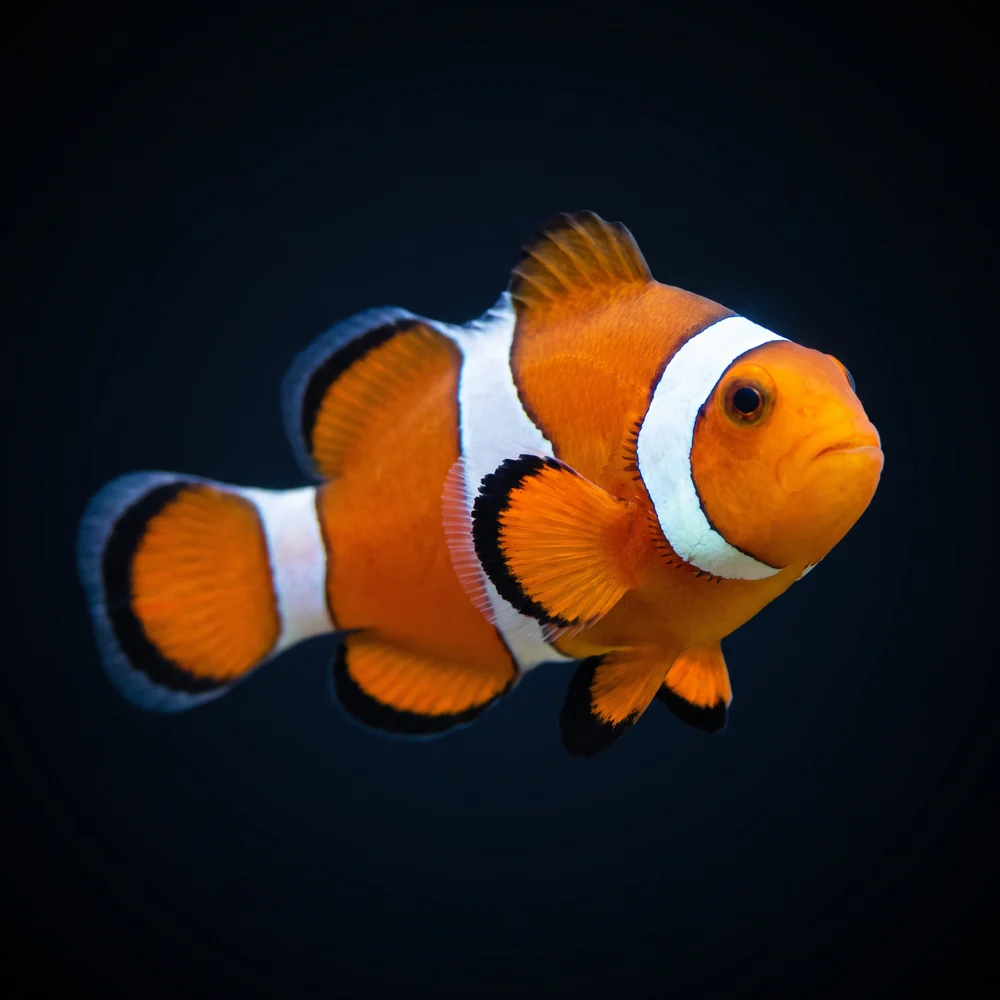
Ocellaris Clownfish

Amphiprion ocellaris

Care Level

Easy

Temperament

Peaceful

Reef Safe

Yes

Diet

Omnivore

Tank Size

30 gallons

Max Size

4.3 inches

Choose a wrasse for the aquarium you actually keep

Wrasses range from small, peaceful reef fish to large, assertive predators. Their adult size, feeding needs, sleeping behavior, and compatibility with invertebrates differ widely, so a family name alone is not enough to judge suitability. Compare the profiles on this page before selecting a species for a reef, fish-only, or mixed marine aquarium.

Account for sand, lids, and feeding behavior

Many wrasses bury in sand to sleep or when frightened, while others use mucus cocoons or shelter in rockwork. Confirm the species’ substrate needs before purchase. A secure, gap-free lid is important because wrasses are capable jumpers, especially during introduction or conflict. Active species may also need frequent, varied feeding and enough rockwork to forage.

Check reef safety at the species level

Some wrasses are valued for hunting small pests and are broadly compatible with corals. Others may eat shrimp, snails, crabs, worms, or other mobile invertebrates. “Reef safe” should therefore be checked against the exact animals in your aquarium. Read the reef-safe wrasse care guide for family-level planning.

Use the linked profiles below for tank size, temperament, diet, and compatibility details. To compare wrasses with every other group, return to the saltwater fish species guide.