Overview:
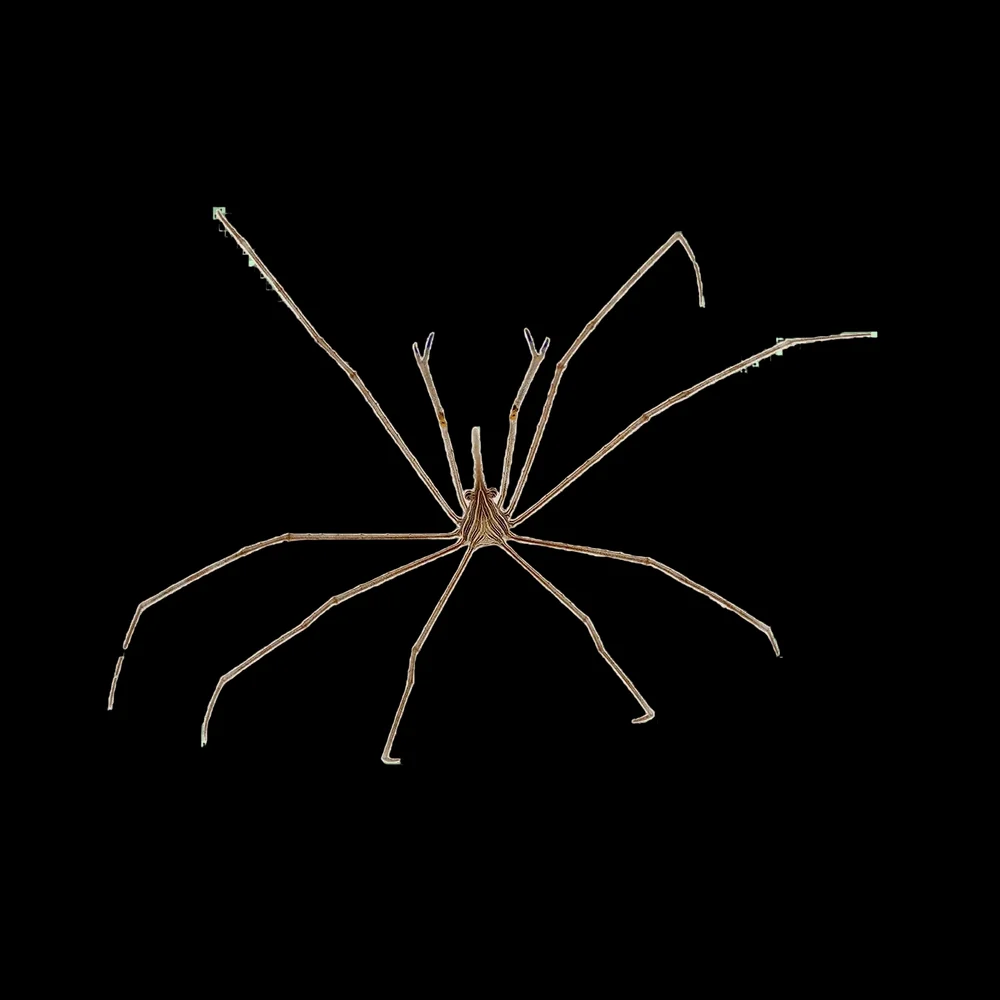
Arrow Crab (Stenorhynchus seticornis) is a long-legged, reef-associated crab best kept in a stable, mature saltwater aquarium with abundant live rock and crevices. Provide strong biological filtration, consistent salinity, and high oxygenation with moderate flow; sudden parameter swings are a common cause of decline. Keep temperature and pH steady (typical reef ranges), and prioritize low ammonia/nitrite with controlled nitrate. The crab is largely nocturnal and will spend much of its time wedged into rockwork; design the aquascape with tight shelters and overhangs so it can rest and molt safely. Because it can be delicate during molts and may be harassed, avoid overcrowding and maintain a calm environment. Ensure all pump intakes are screened—its long legs can be vulnerable.
Compatibility:
Despite the “cleaner” reputation, Arrow Crabs can be predatory. They may pick at feather dusters, small shrimp, tiny crabs, and other mobile inverts, especially if underfed. Snails are usually safer than hermits, but small or slow tankmates can still be tested. With fish, they are generally reef-safe in larger, peaceful communities, though very small sleeping fish could be at risk in cramped tanks. Avoid housing with aggressive crabs, large predatory fish (triggers, puffers, large wrasses), and any species likely to nip legs. Keeping more than one Arrow Crab is risky unless the tank is large with ample hiding; they may fight, particularly during molts.
Health and Quarantine:
Molting is the main vulnerability period: provide iodine through regular water changes (don’t dose blindly), stable alkalinity/calcium typical of reef systems, and plentiful hiding. Signs of trouble include repeated failed molts, missing limbs without regrowth over time, lethargy, inability to right itself, and refusal to eat for extended periods. Quarantine is recommended in a separate, fully cycled saltwater tank with PVC shelters; avoid copper-based medications (toxic to inverts). Observe for 2–4 weeks for parasites on fish introduced later, and to confirm feeding response. Use drip acclimation when moving the crab, and keep handling to a minimum to prevent leg damage and stress.
Carnivore
Meaty FoodsWormsSmall Shrimp