Overview:
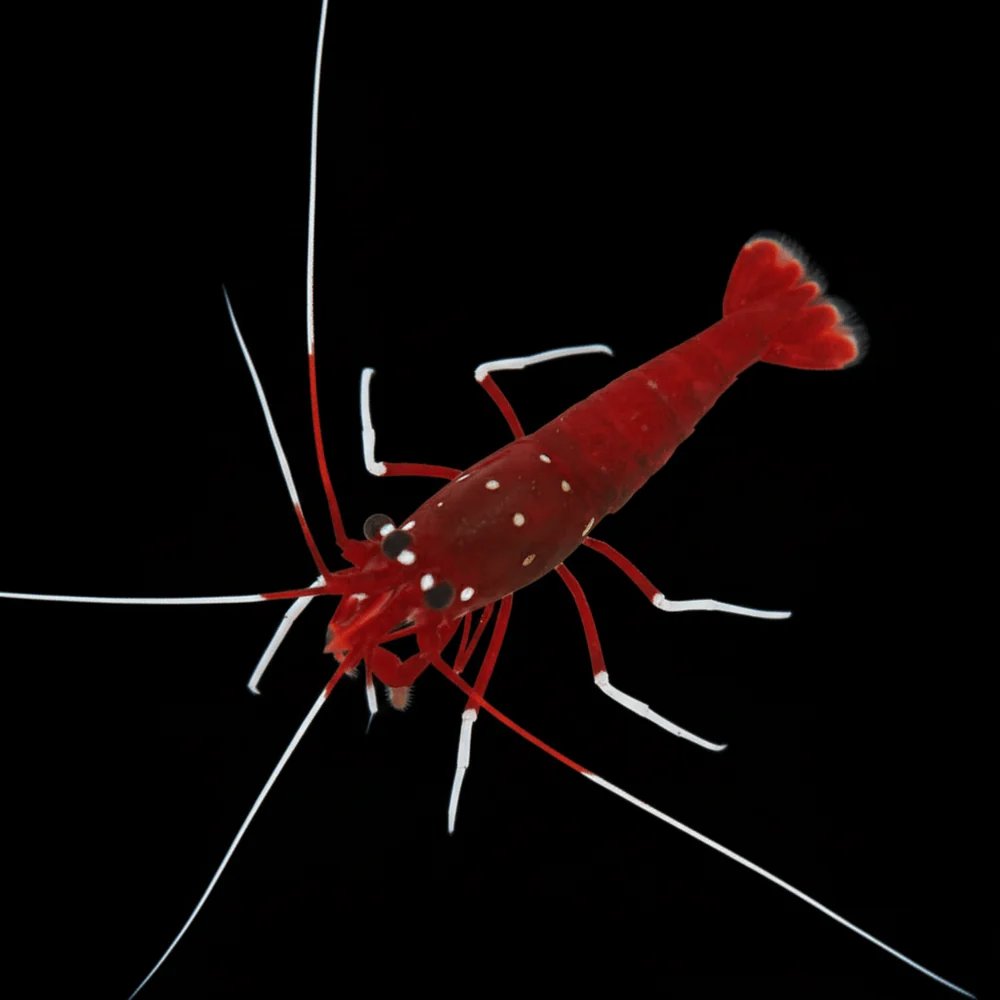
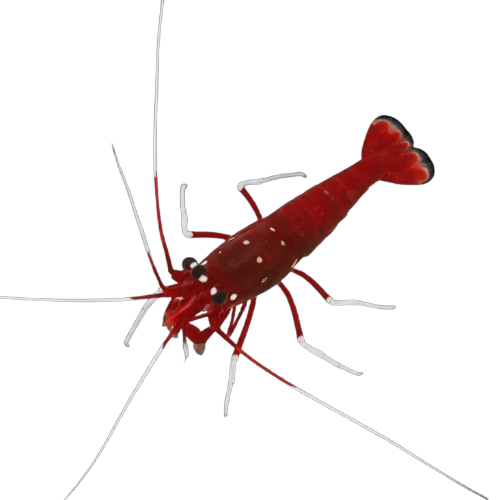
Blood Red Fire Shrimp (Lysmata debelius) is a reef-safe cleaner shrimp best kept in a stable marine aquarium with ample live rock, caves, and overhangs for daytime shelter and nighttime foraging. Aim for 24–26°C (75–79°F), salinity 1.024–1.026, pH 8.1–8.4, alkalinity 8–10 dKH, and very low ammonia/nitrite with consistently low nitrate. They are sensitive to sudden changes, so slow acclimation (drip method) and long-term stability matter more than chasing exact numbers. Moderate flow and oxygenation support molting and overall activity. Keep iodine/trace elements in line through regular water changes rather than heavy dosing, as overdosing can be harmful. Provide enough hiding places, especially if keeping more than one.
Compatibility:
Generally peaceful with corals and most reef invertebrates. They do best with non-aggressive fish such as gobies, blennies, clownfish, and small wrasses that aren’t shrimp hunters. Avoid or use great caution with triggers, puffers, hawkfish, larger wrasses, dottybacks, lionfish, and many groupers—these often attack shrimp, especially at night or right after molting. With other ornamental shrimp, mixing species can work but increases competition; provide multiple shelters and feed well. They may steal food from LPS corals during feeding; manage by feeding corals and shrimp separately.
Health and Quarantine:
Most losses trace back to poor acclimation, unstable salinity/alkalinity, copper exposure, or predation during molting. Never use copper medications in a tank with shrimp, and verify that any fish treatments are in a separate system. Quarantine is ideal: observe 2–4 weeks in an invertebrate-safe tank to confirm normal feeding and successful molts. Common red flags include repeated failed molts, lethargy, missing limbs that don’t regenerate over molts, and “white fuzz” that can indicate bacterial or fungal issues. Prevent problems by maintaining steady parameters, offering mineral-rich varied foods, and ensuring safe, dark refuges so they can molt without disturbance.