Shopping Cart
No products in the cart.

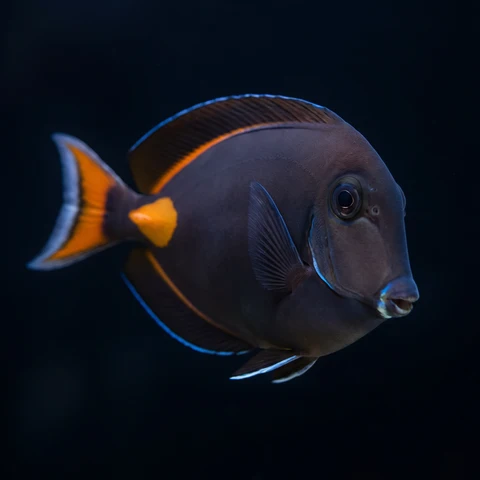
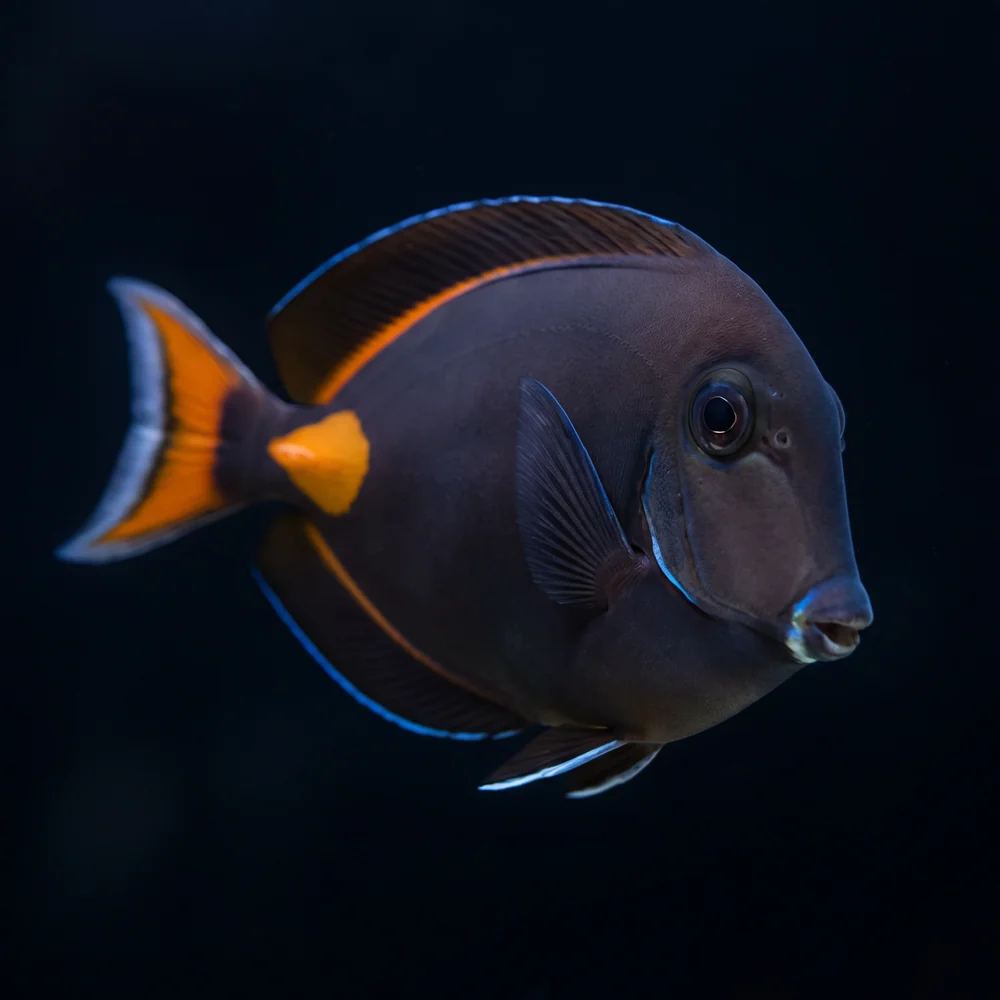
Achilles Tang

Acanthurus achilles

Care Level

Difficult

Temperament

Semi-Aggressive

Reef Safe

Yes

Diet

Omnivore

Tank Size

180 gallons

Max Size

9 inches

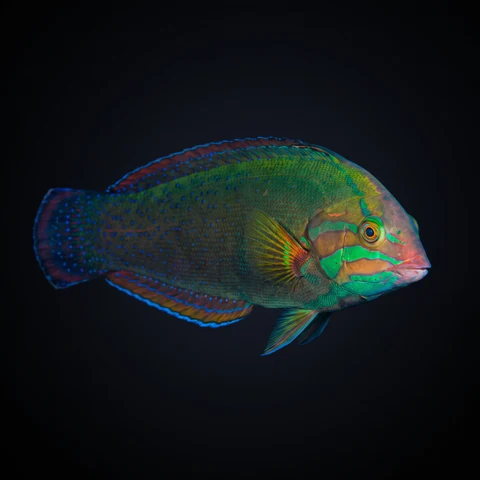
African Coris Wrasse

Coris cuvieri

Care Level

Difficult

Temperament

Semi-Aggressive

Reef Safe

No

Diet

Carnivore

Tank Size

125 gallons

Max Size

15 inches

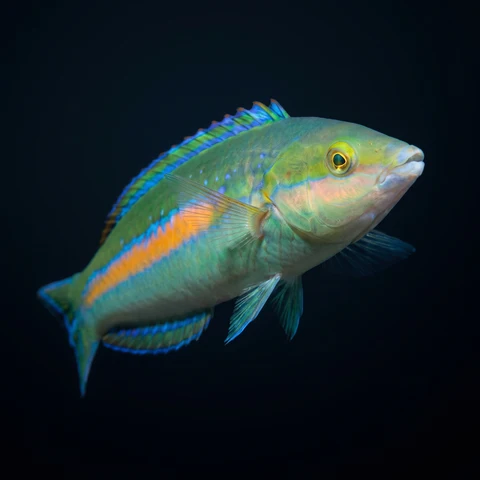
African Pencil Wrasse

Pseudojuloides polackorum

Care Level

Expert

Temperament

Peaceful

Reef Safe

With Caution

Diet

Carnivore

Tank Size

55 gallons

Max Size

5 inches

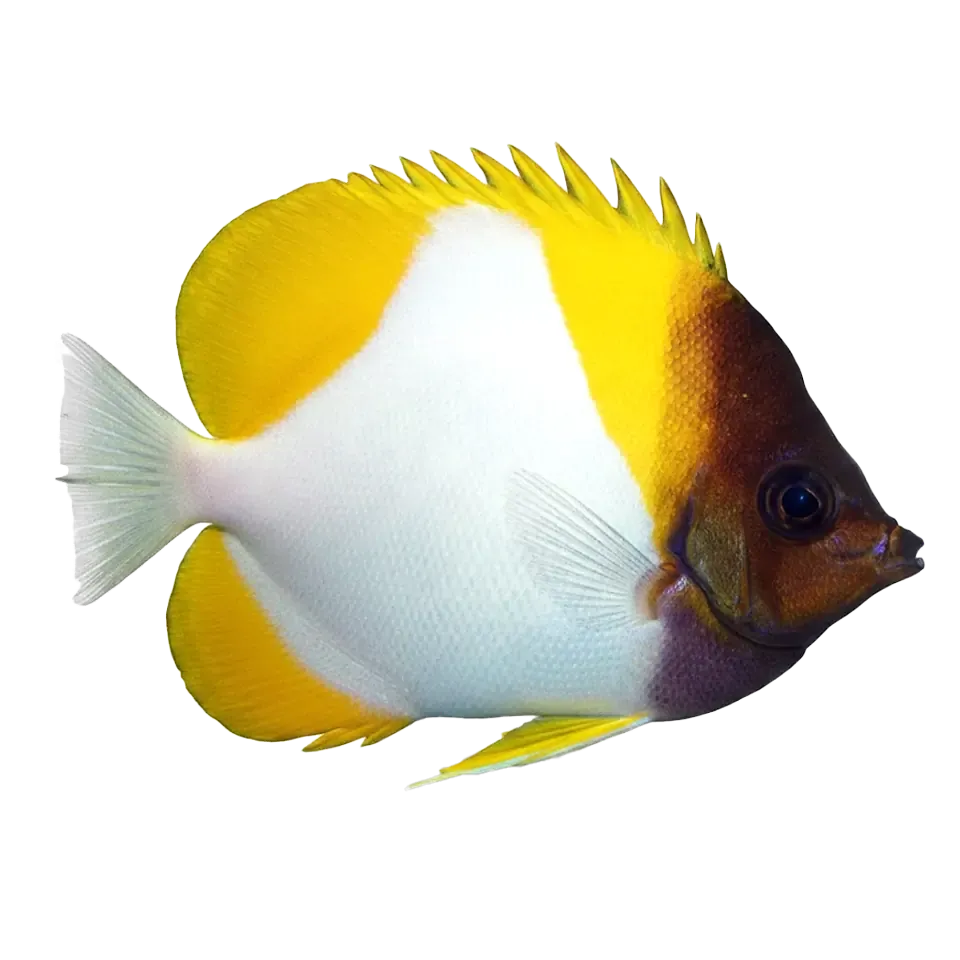
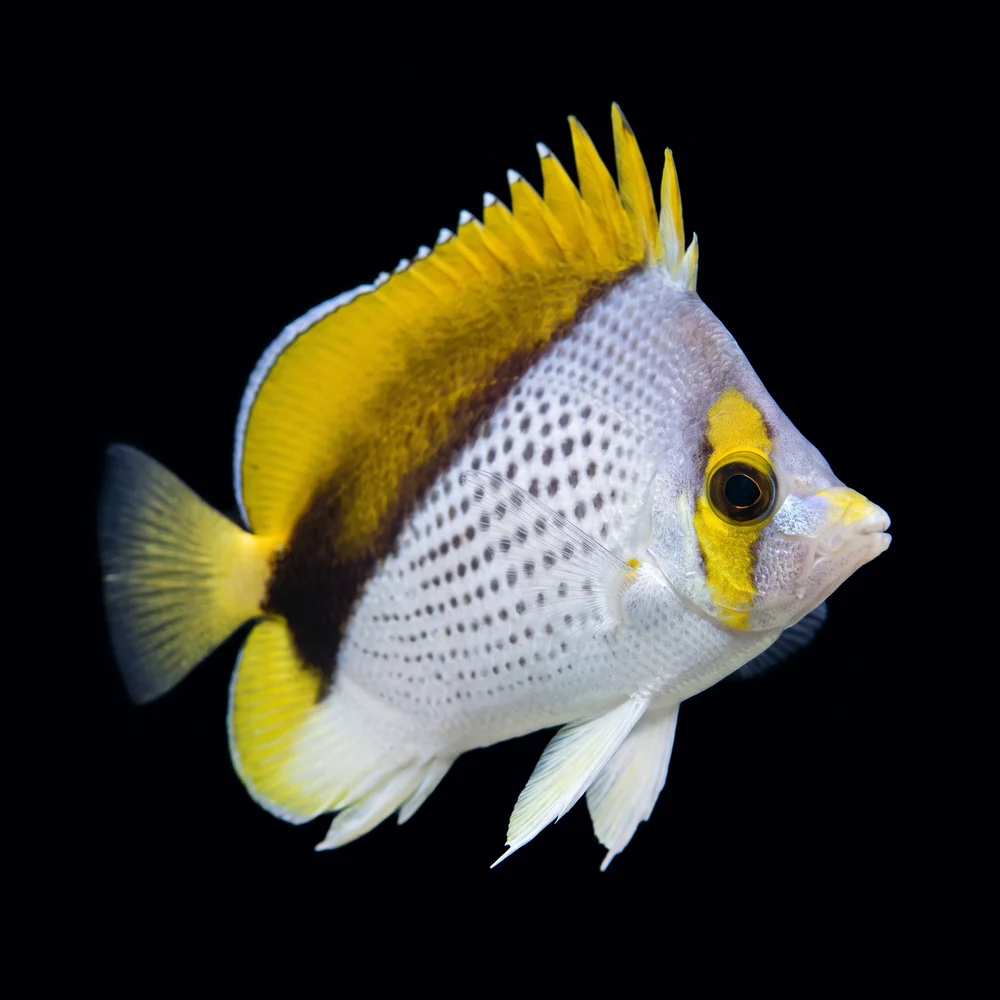
Declivis Butterflyfish

Chaetodon declivis

Care Level

Moderate

Temperament

Peaceful

Reef Safe

No

Diet

Omnivore

Tank Size

120 gallons

Max Size

5 inches

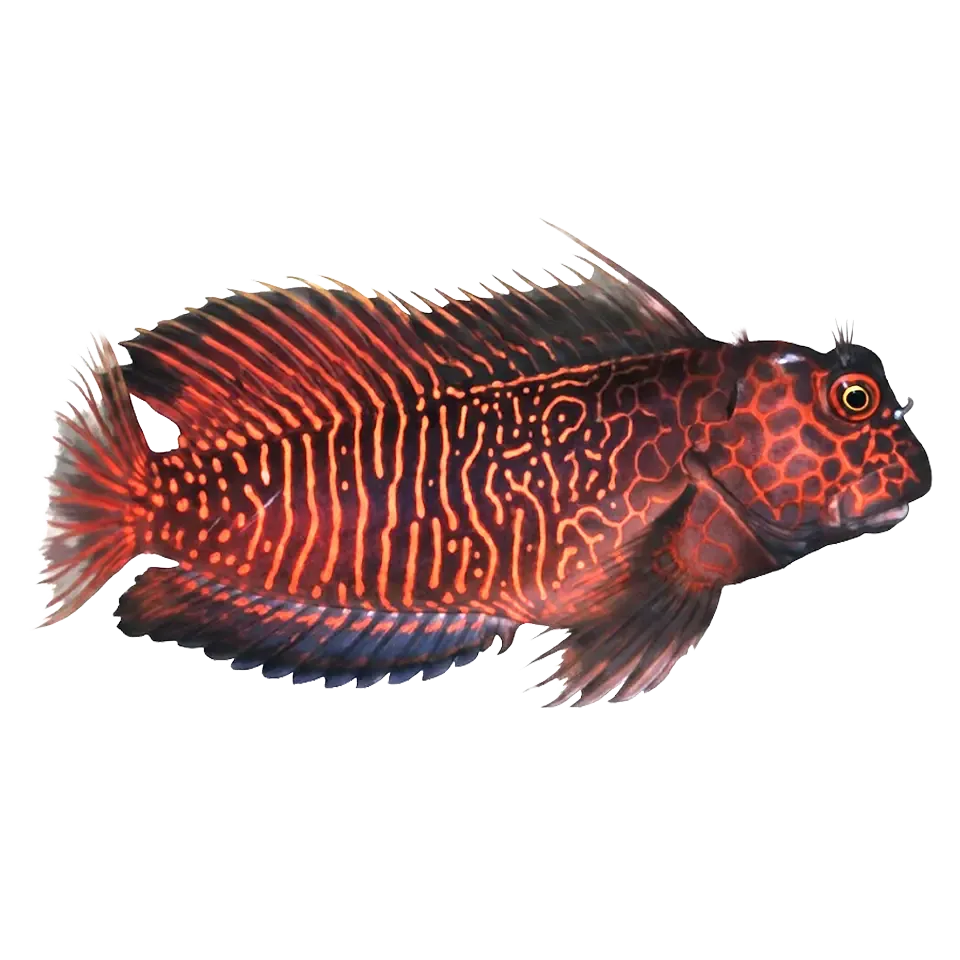
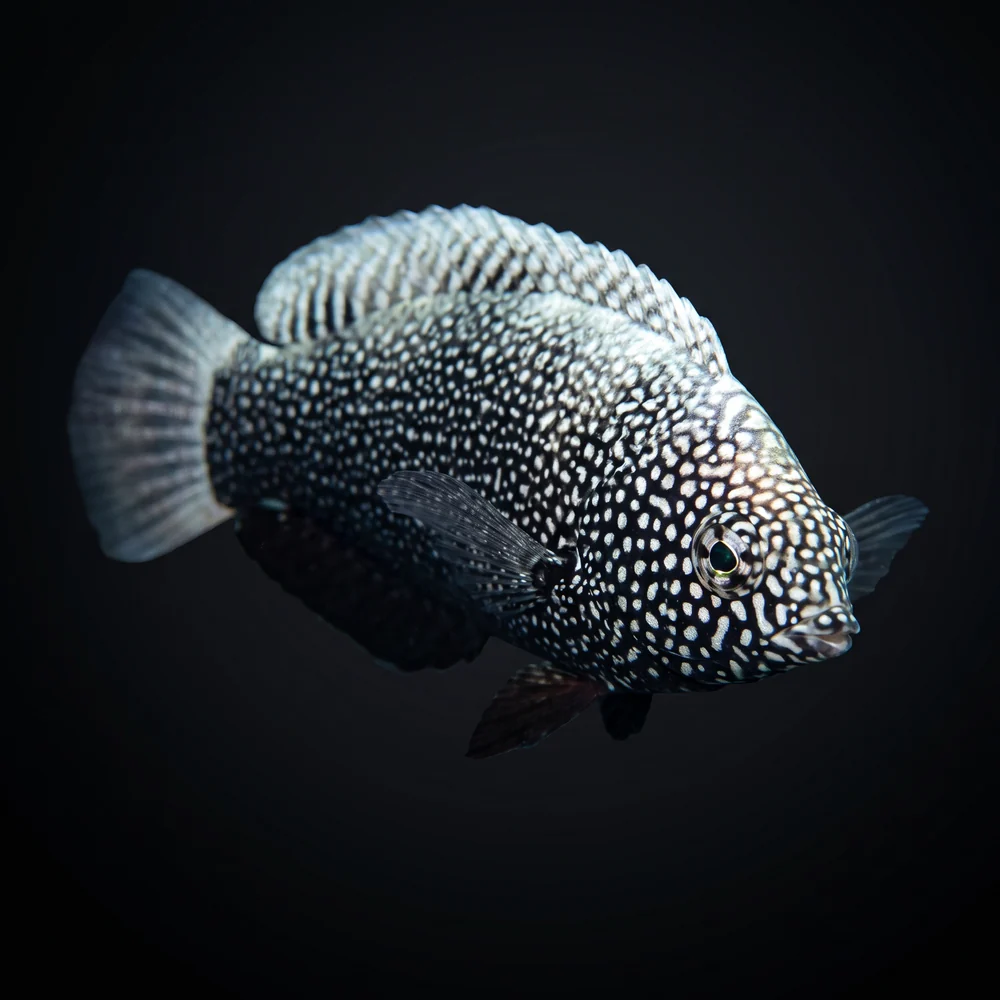
Black Leopard Wrasse

Macropharyngodon negrosensis

Care Level

Expert

Temperament

Peaceful

Reef Safe

Yes

Diet

Carnivore

Tank Size

90 gallons

Max Size

5 inches

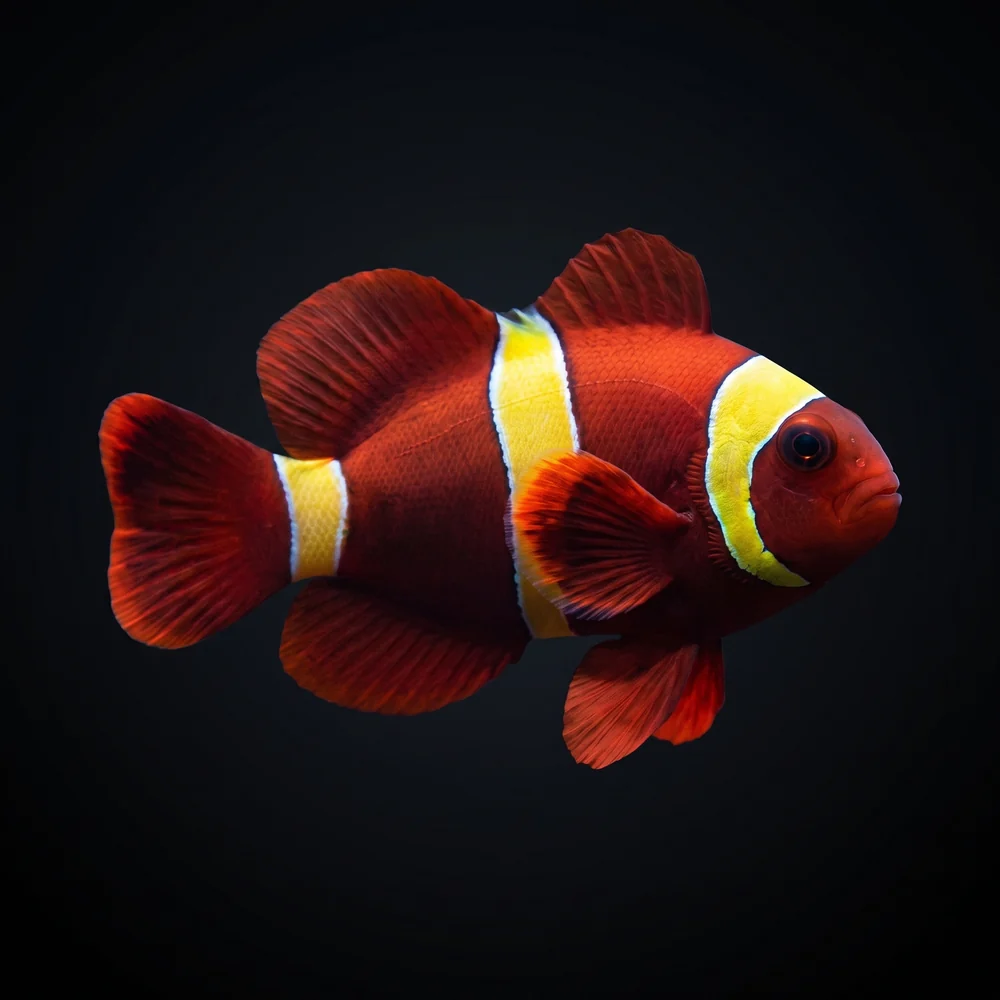
Gold Stripe Maroon Clownfish

Premnas biaculeatus

Care Level

Easy

Temperament

Semi-Aggressive

Reef Safe

Yes

Diet

Omnivore

Tank Size

30 gallons

Max Size

3 inches

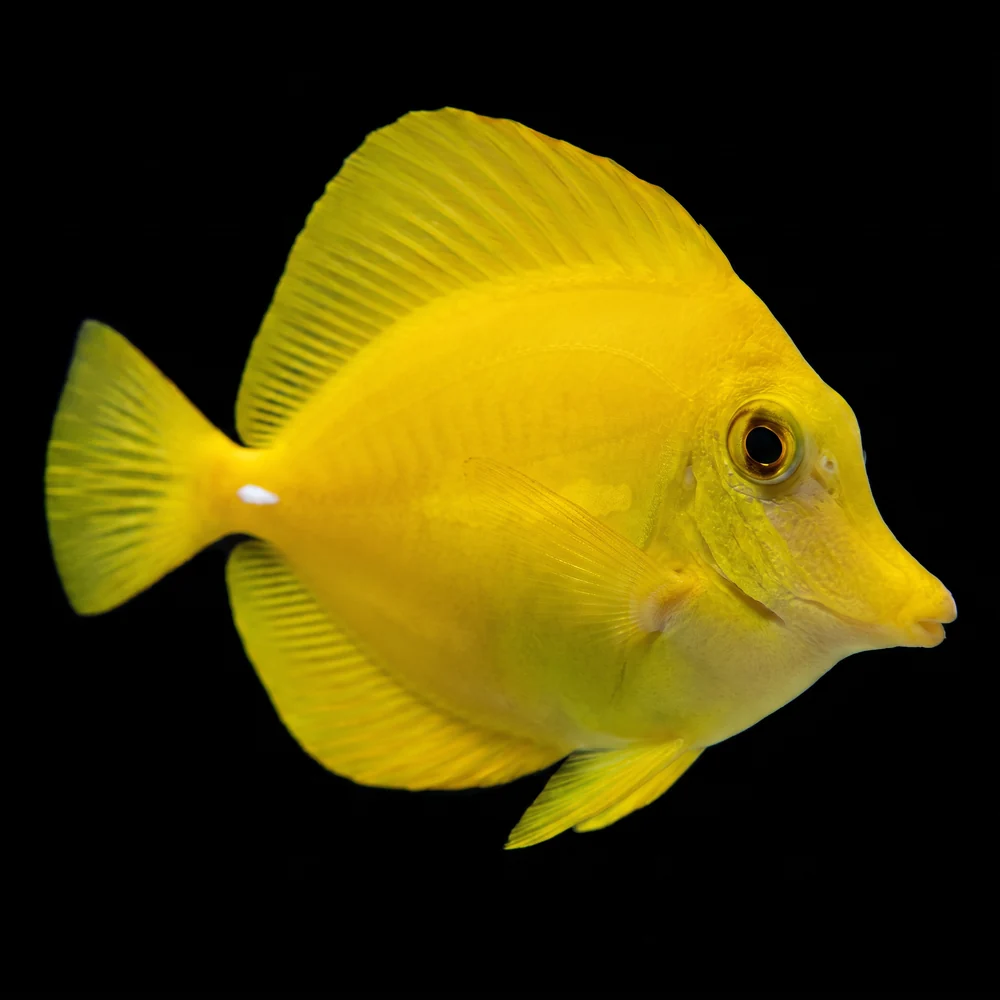
Yellow Tang

Zebrasoma flavescens

Care Level

Moderate

Temperament

Semi-Aggressive

Reef Safe

Yes

Diet

Herbivore

Tank Size

100 gallons

Max Size

8 inches

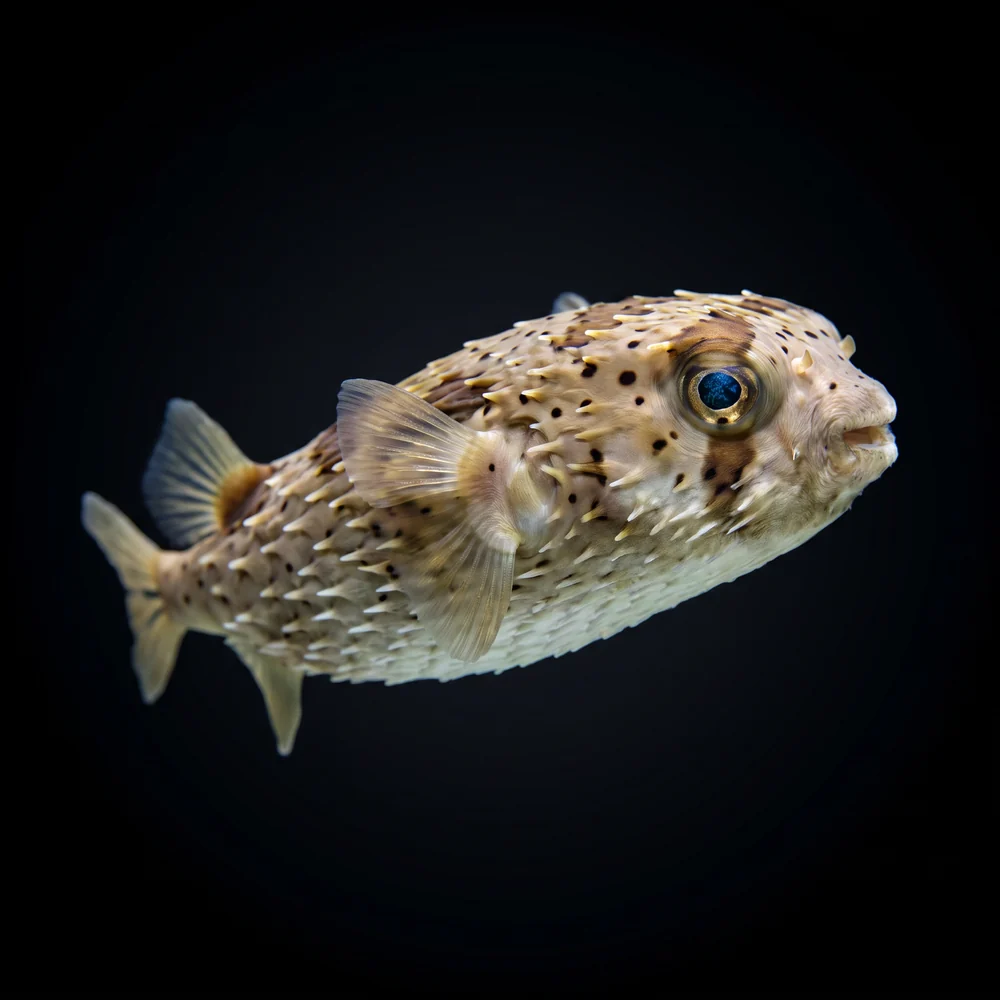
Porcupine Puffer

Diodon holocanthus

Care Level

Moderate

Temperament

Semi-Aggressive

Reef Safe

No

Diet

Carnivore

Tank Size

180 gallons

Max Size

20 inches

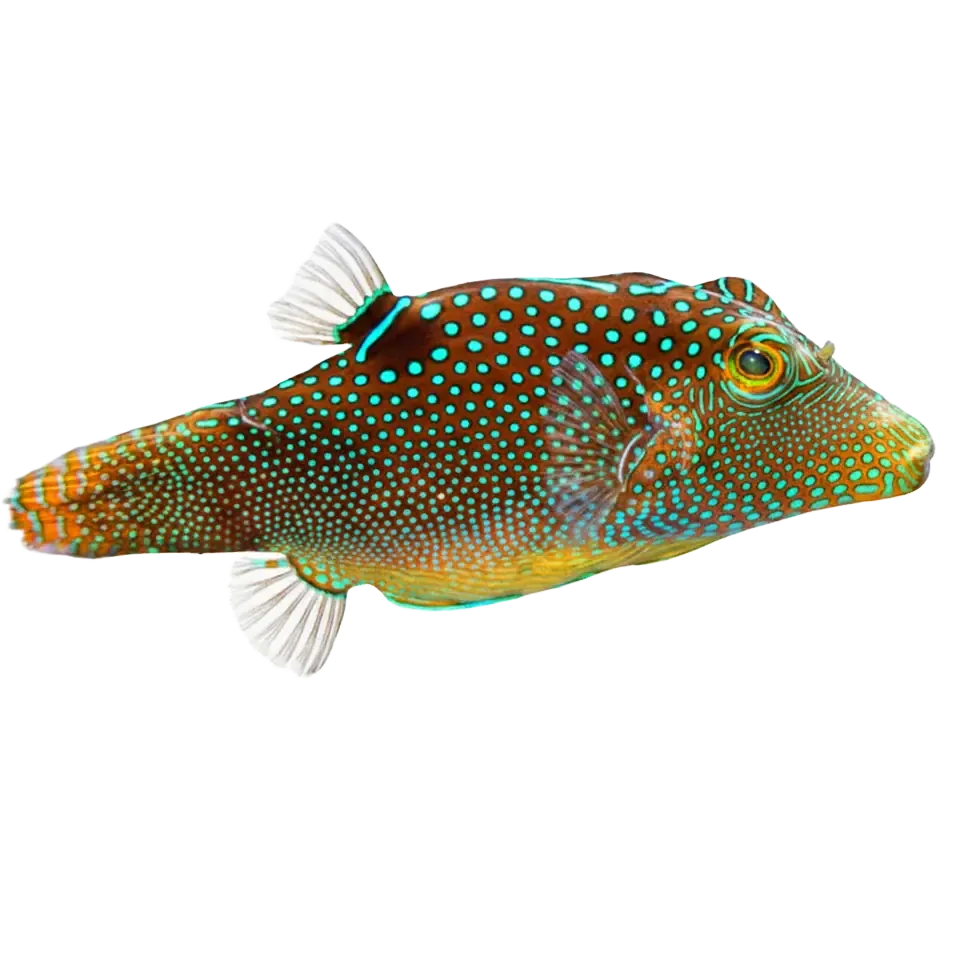
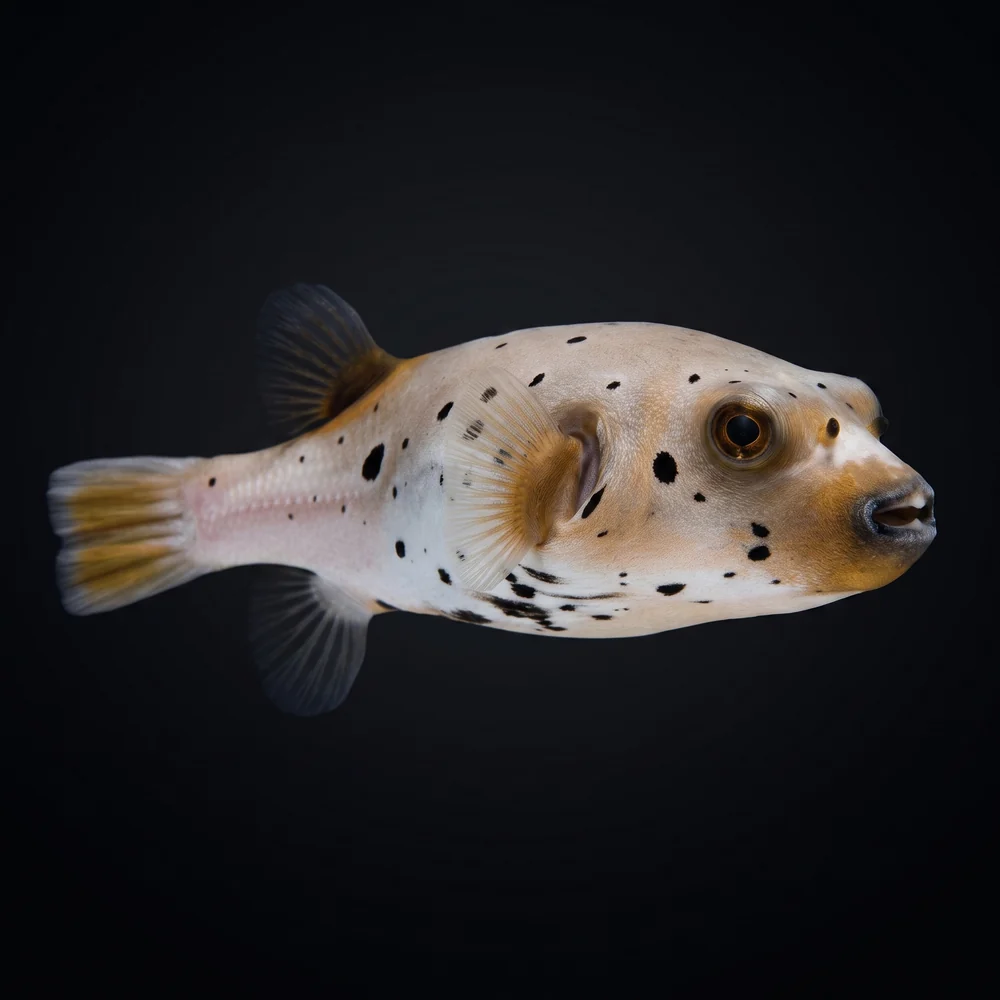
Dogface Puffer

Arothron nigropunctatus

Care Level

Moderate

Temperament

Semi-Aggressive

Reef Safe

No

Diet

Carnivore

Tank Size

125 gallons

Max Size

13 inches

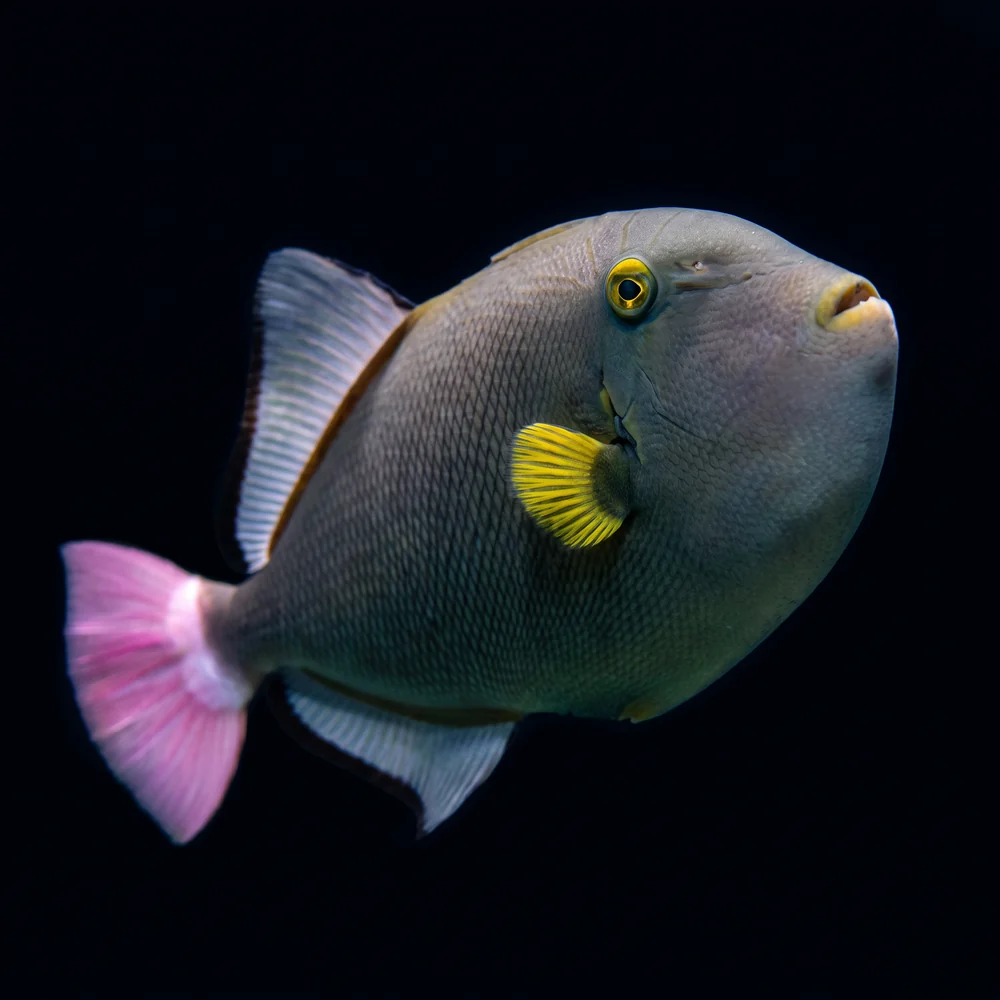
Pink Tail Triggerfish

Melichthys vidua

Care Level

Easy

Temperament

Semi-Aggressive

Reef Safe

With Caution

Diet

Carnivore

Tank Size

180 gallons

Max Size

16 inches

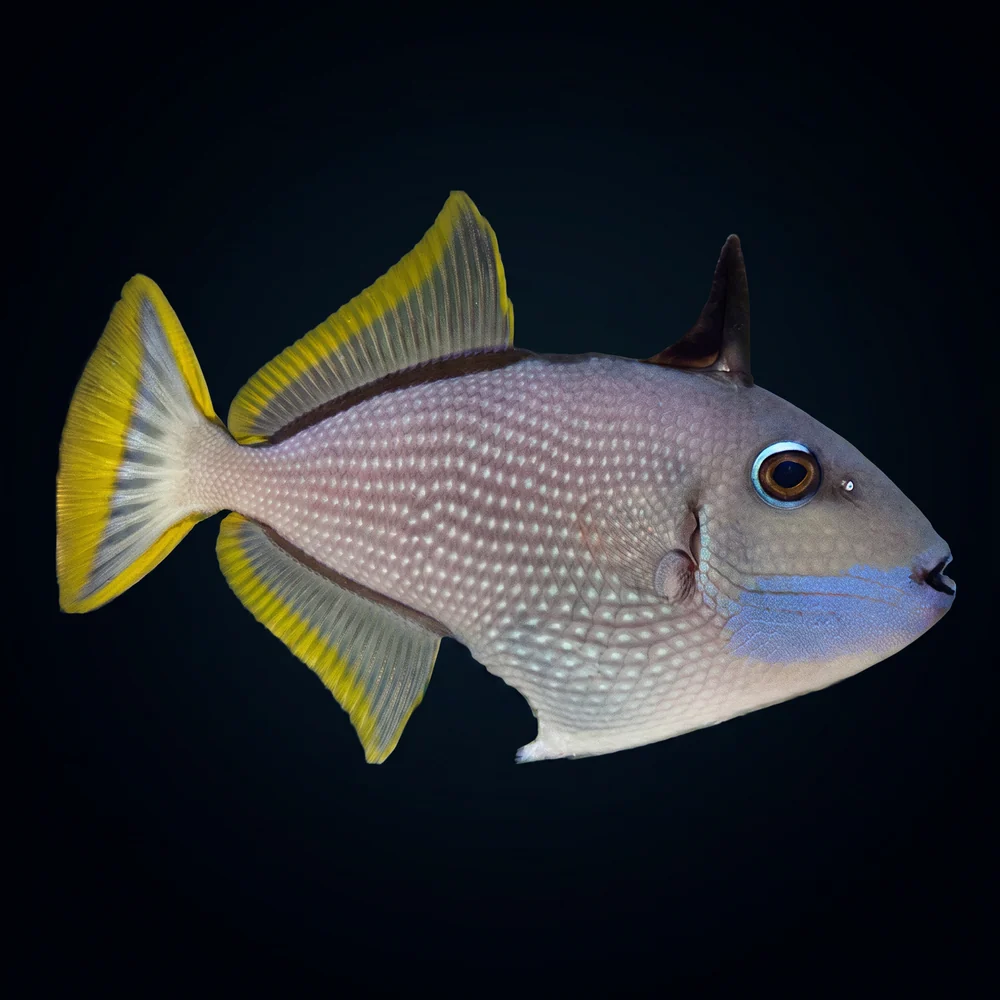
Blue Jaw Triggerfish

Xanthichthys auromarginatus

Care Level

Moderate

Temperament

Semi-Aggressive

Reef Safe

With Caution

Diet

Carnivore

Tank Size

180 gallons

Max Size

12 inches

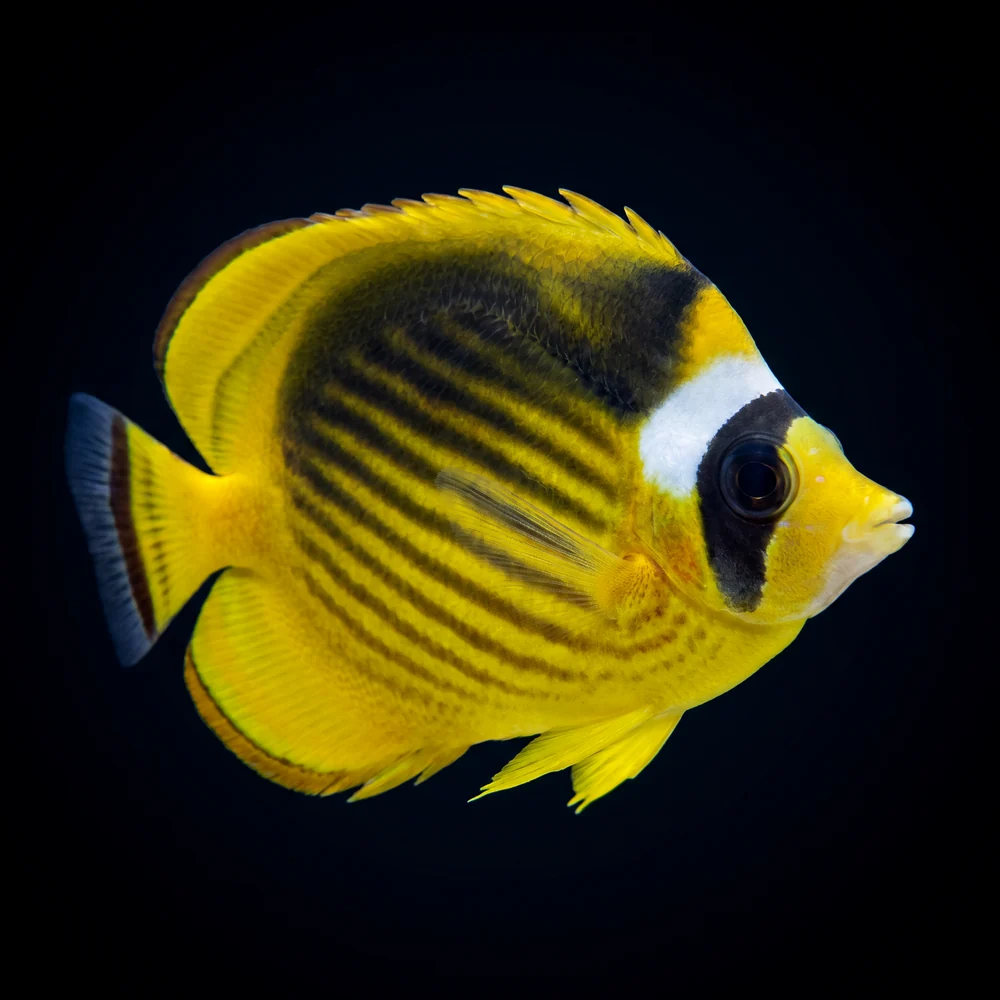
Raccoon Butterflyfish

Chaetodon lunula

Care Level

Easy

Temperament

Peaceful

Reef Safe

No

Diet

Omnivore

Tank Size

125 gallons

Max Size

8 inches

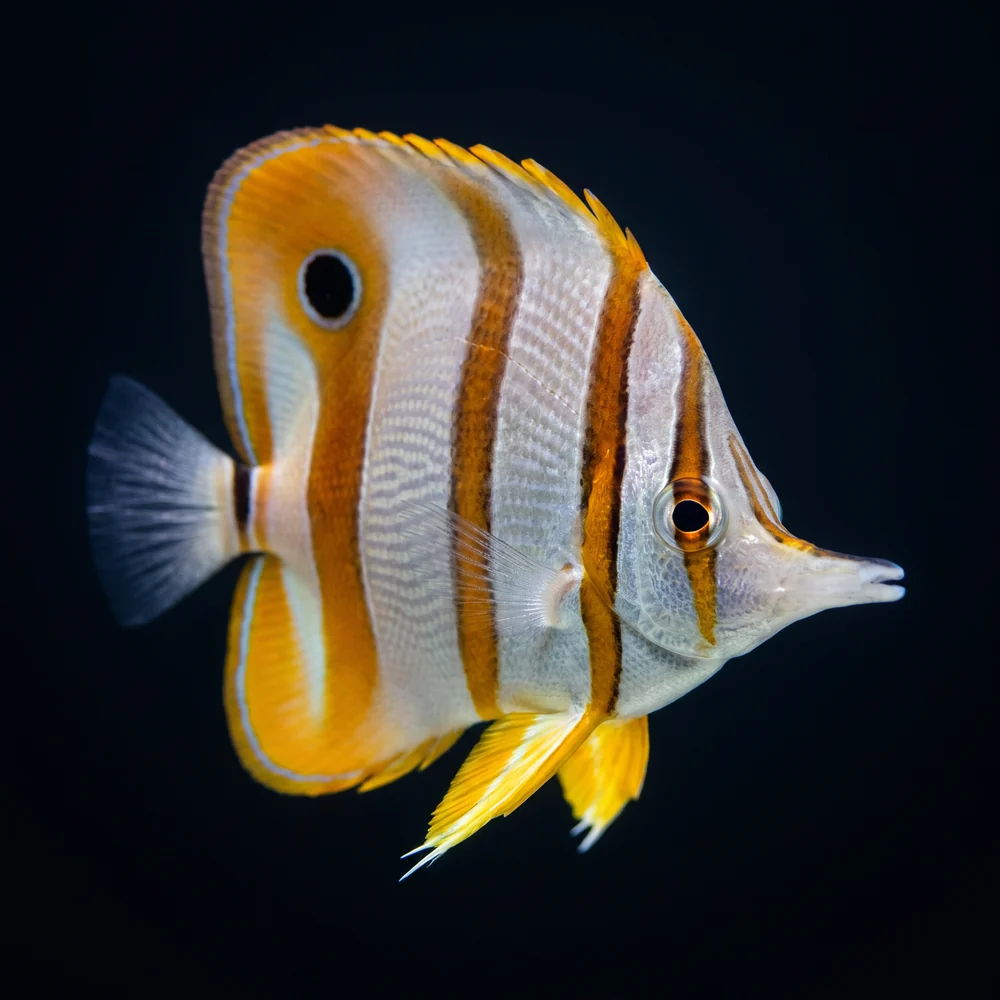
Copperband Butterflyfish

Chelmon rostratus

Care Level

Difficult

Temperament

Peaceful

Reef Safe

With Caution

Diet

Carnivore

Tank Size

120 gallons

Max Size

8 inches

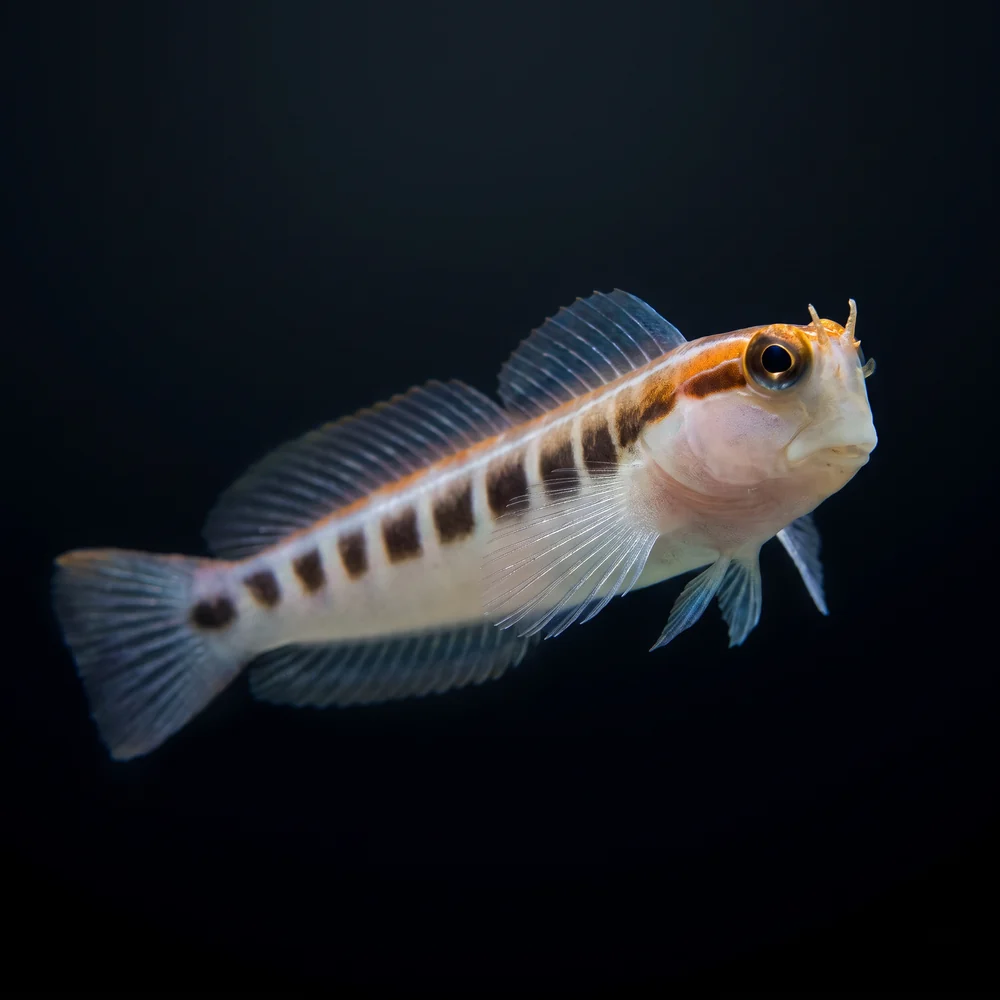
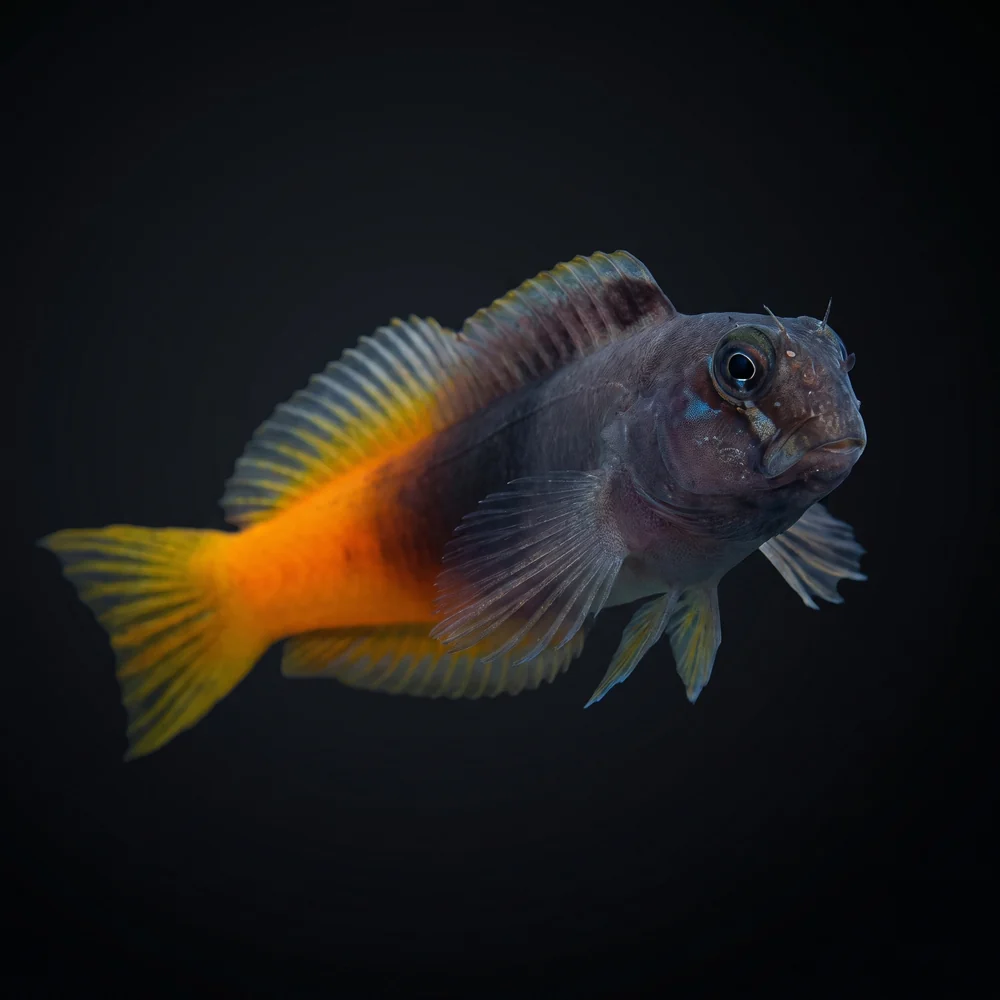
Linear Blenny

Ecsenius lineatus

Care Level

Moderate

Temperament

Peaceful

Reef Safe

With Caution

Diet

Omnivore

Tank Size

30 gallons

Max Size

3.5 inches

Bicolor Blenny

Ecsenius bicolor

Care Level

Easy

Temperament

Peaceful

Reef Safe

With Caution

Diet

Herbivore

Tank Size

30 gallons

Max Size

4.5 inches

Randall’s Assessor Basslet

Assessor randalli

Care Level

Moderate

Temperament

Peaceful

Reef Safe

Yes

Diet

Carnivore

Tank Size

30 gallons

Max Size

3 inches

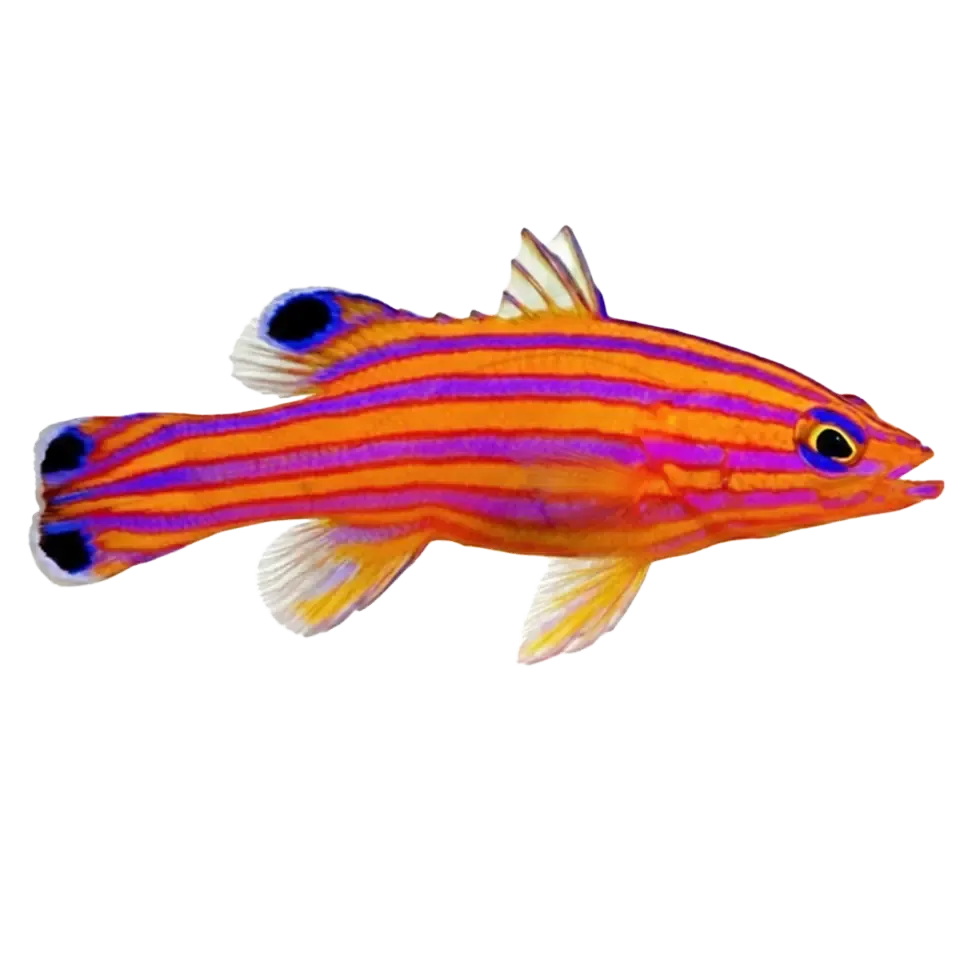
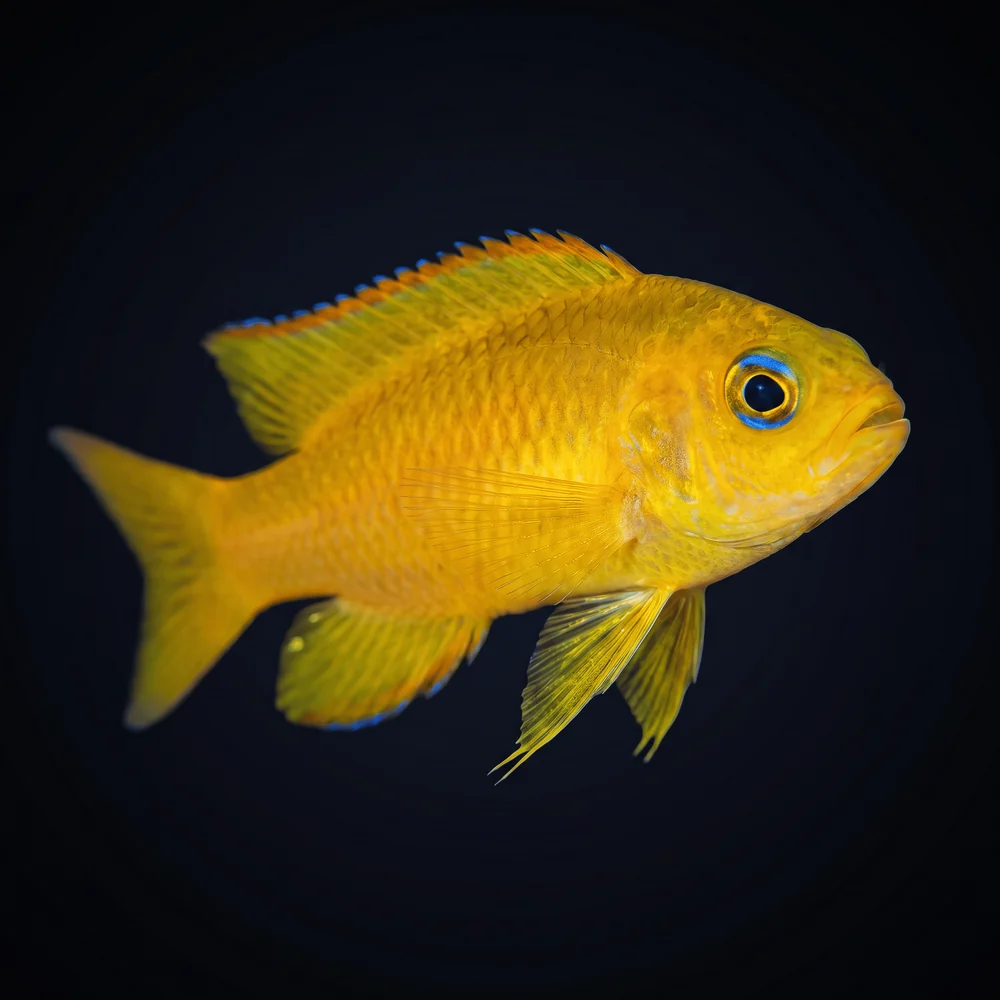
Assessor Basslet

Assessor flavissimus

Care Level

Moderate

Temperament

Peaceful

Reef Safe

Yes

Diet

Carnivore

Tank Size

30 gallons

Max Size

3 inches

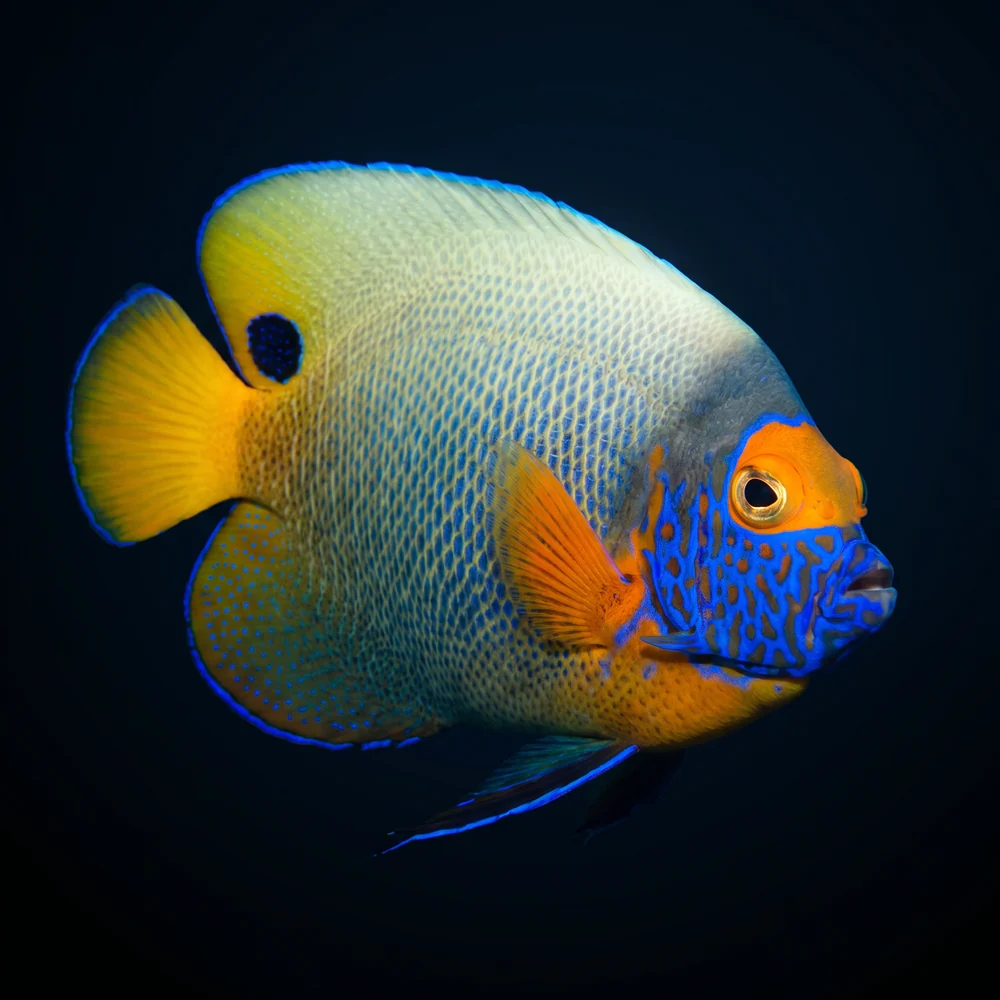
Blue Face Angelfish

Pomacanthus xanthometopon

Care Level

Moderate

Temperament

Semi-Aggressive

Reef Safe

No

Diet

Omnivore

Tank Size

220 gallons

Max Size

15 inches

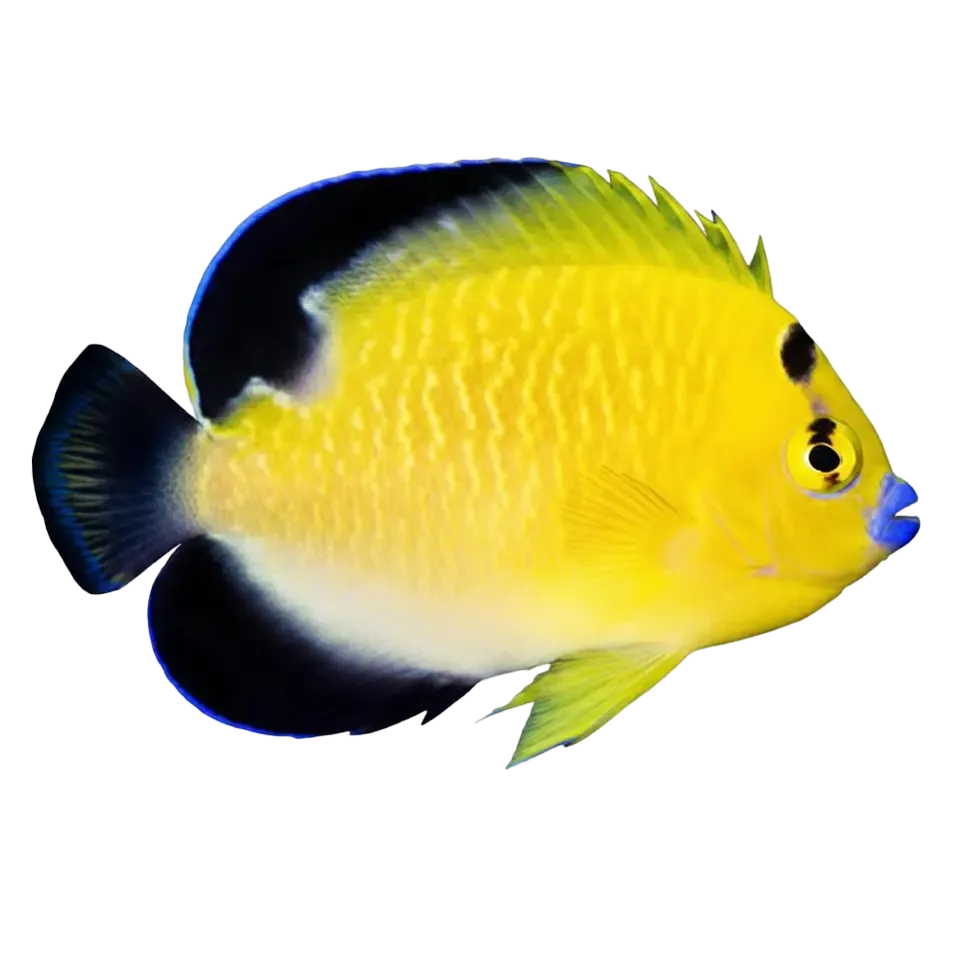
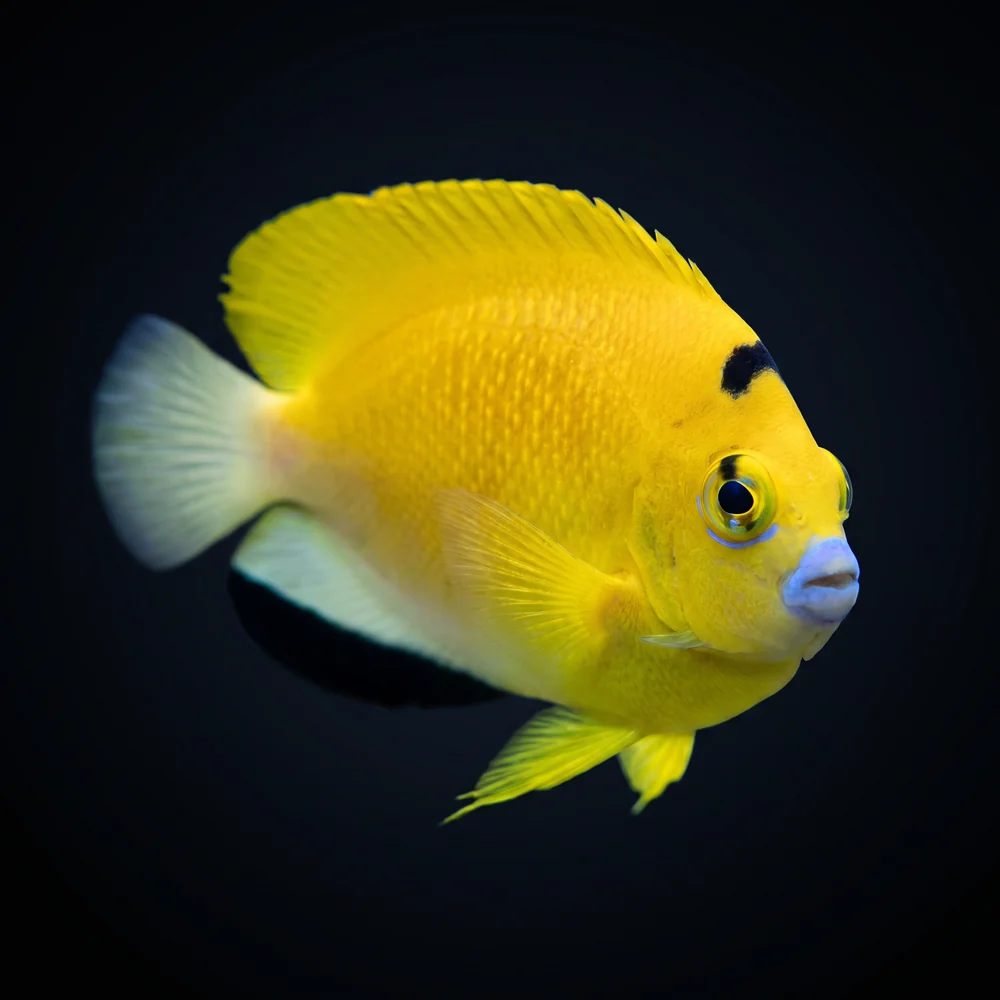
Flagfin Angelfish

Apolemichthys trimaculatus

Care Level

Expert

Temperament

Semi-Aggressive

Reef Safe

No

Diet

Omnivore

Tank Size

125 gallons

Max Size

10 inches

Bella Sleeper Goby

Valenciennea bella

Care Level

Moderate

Temperament

Peaceful

Reef Safe

With Caution

Diet

Carnivore

Tank Size

30 gallons

Max Size

6 inches

Banded Sleeper Goby

Amblygobius phalaena

Care Level

Easy

Temperament

Peaceful

Reef Safe

Yes

Diet

Omnivore

Tank Size

30 gallons

Max Size

6 inches

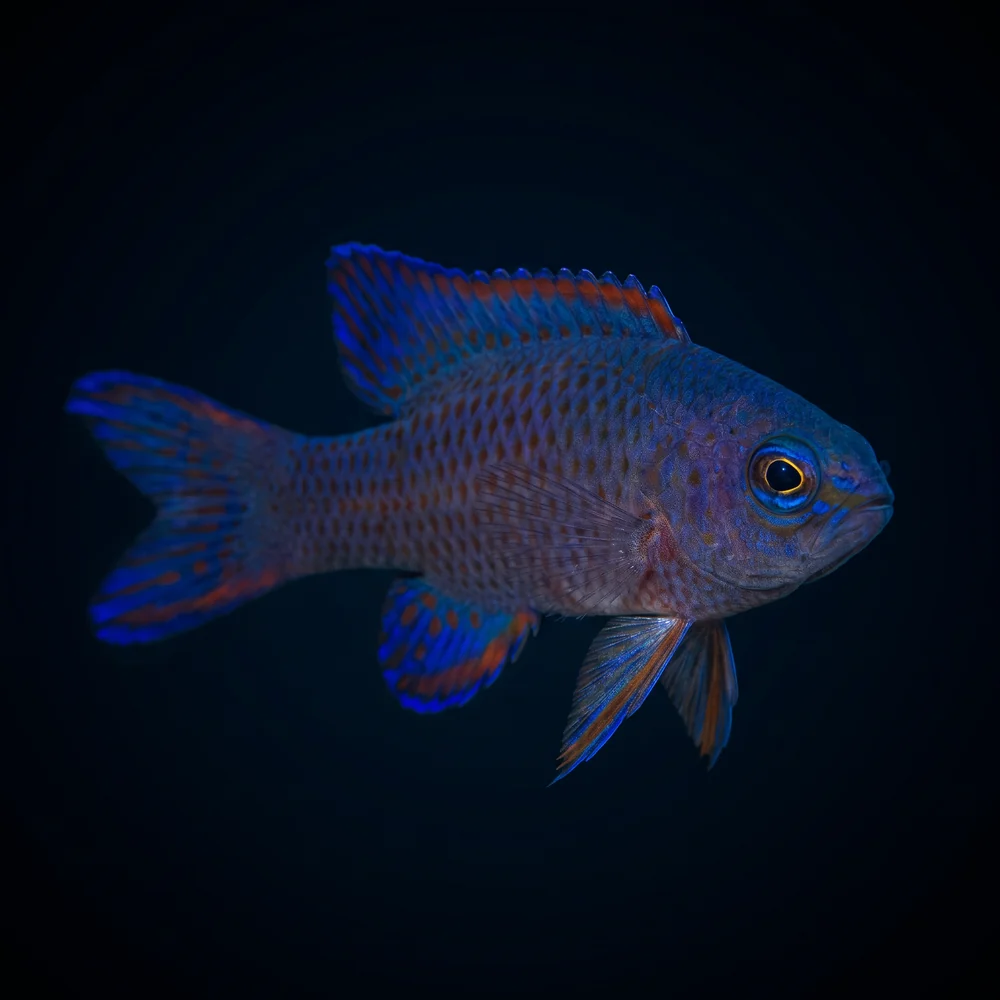
Bluesided Fairy Wrasse

Cirrhilabrus cyanopleura

Care Level

Easy

Temperament

Peaceful

Reef Safe

Yes

Diet

Carnivore

Tank Size

75 gallons

Max Size

5.9 inches

Beau’s Fairy Wrasse

Cirrhilabrus beauperryi

Care Level

Moderate

Temperament

Peaceful

Reef Safe

Yes

Diet

Carnivore

Tank Size

40 gallons

Max Size

4 inches

Achilles Tang

Acanthurus achilles

Care Level

Expert

Temperament

Semi-Aggressive

Reef Safe

Yes

Diet

Herbivore

Tank Size

180 gallons

Max Size

10 inches

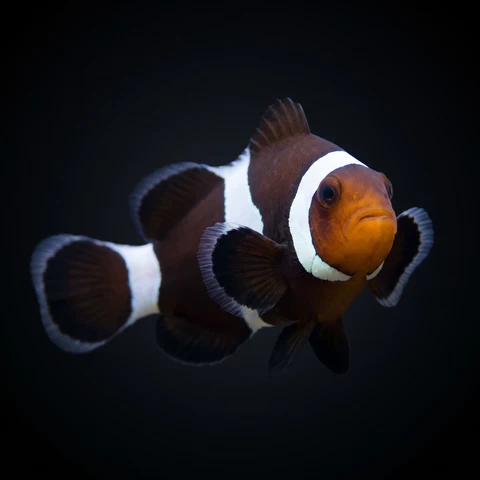
Black Ocellaris Clownfish

Amphiprion ocellaris

Care Level

Easy

Temperament

Peaceful

Reef Safe

Yes

Diet

Omnivore

Tank Size

30 gallons

Max Size

4.3 inches

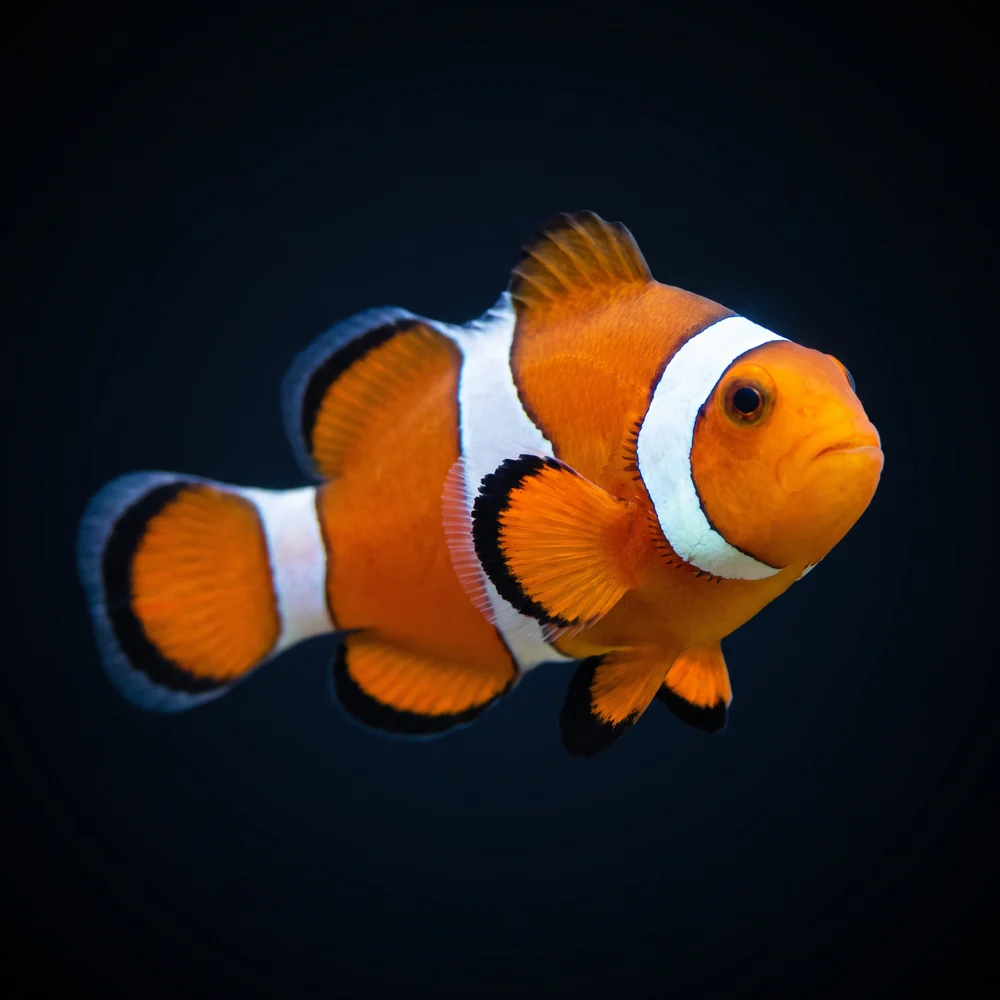
Ocellaris Clownfish

Amphiprion ocellaris

Care Level

Easy

Temperament

Peaceful

Reef Safe

Yes

Diet

Omnivore

Tank Size

30 gallons

Max Size

4.3 inches

Species, Care and Compatibility

Choosing the right fish is one of the most important parts of building a successful marine aquarium. With hundreds of species available, each with different behaviours, dietary needs and environmental requirements, it’s important to understand what each fish needs before introducing it to your aquarium.
Our saltwater fish glossary is designed to help you identify different marine species, explore their characteristics and compare important care requirements. Each profile provides useful information including common and scientific names, adult size, minimum aquarium size, temperament, diet, reef compatibility and general care level.
Whether you’re planning your first marine aquarium or adding to an established reef, understanding the needs of individual species will help you make informed choices and create a balanced aquarium.

Choosing the Right Fish for Your Aquarium

Minimum aquarium size is an important starting point, but it doesn’t tell the whole story. Some fish are active swimmers that need plenty of open space, while others spend most of their time around rockwork, caves or burrows.

When choosing new fish, consider their expected adult size, swimming habits, territorial behaviour and environmental requirements. Some species become increasingly aggressive as they mature, while others may struggle when housed with fish that compete for the same food or territory.

Compatibility is about more than whether two fish can live in the same aquarium. Consider their individual temperaments, feeding habits and preferred habitats to help reduce competition and aggression.

Understanding Reef Compatibility and Feeding Requirements

Not all saltwater fish are suitable for reef aquariums. Some species are generally considered reef safe, while others may nip at corals, eat ornamental shrimp or prey on smaller invertebrates.

Even fish commonly regarded as reef safe can occasionally display unexpected behaviour. Always consider the specific corals and other livestock in your aquarium when assessing compatibility.

Feeding requirements are equally important. While many marine fish readily accept prepared foods, some species require more specialised diets, including algae, crustaceans, copepods or other natural food sources.

Before purchasing a fish, research its natural diet, feeding frequency and nutritional requirements. Ensuring that every fish receives suitable food is essential for maintaining good health and condition.

Identifying Saltwater Fish

Correct identification is important when researching any marine fish. Common names can sometimes refer to several different species, while juvenile fish may look considerably different from their adult appearance.

When identifying a fish, consider its body shape, fin structure, markings, colour patterns and scientific name rather than relying on colour alone.
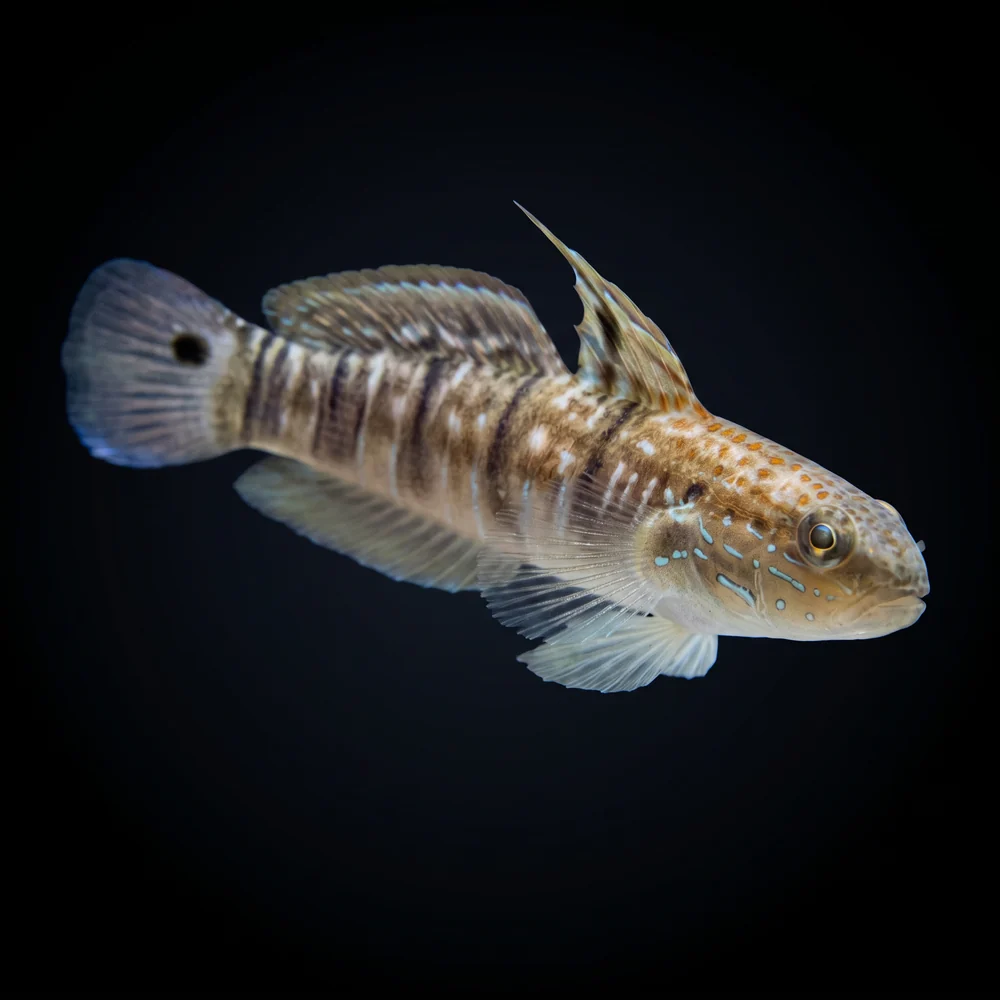
Accurate identification helps ensure you research the correct adult size, diet, care requirements and compatibility before making a purchase.
Explore the Tee’s Reef saltwater fish glossary below to discover different marine species and learn more about their characteristics, care requirements and suitability for your aquarium.

Quarantine, Acclimation and Monitoring

Introducing new fish requires careful preparation. Quarantine or appropriate observation can help identify potential health problems before new arrivals are introduced to your main aquarium.

During acclimation, pay particular attention to temperature and salinity differences, following a suitable method for the species and its shipping conditions. Avoid sudden changes that could cause unnecessary stress.

Once introduced, monitor new arrivals for changes in swimming behaviour, appetite, breathing and general condition. Persistent hiding, damaged fins, weight loss or refusal to eat may indicate stress, aggression or an underlying health problem.

Continue observing new fish as they settle into their surroundings, paying attention to how they interact with existing livestock and whether they are feeding successfully. If signs of illness develop, seek advice from a suitably qualified aquatic veterinary professional.

Research Saltwater Aquarium Fish Before Choosing a Species

This saltwater fish guide is designed to help you identify species, research their care requirements, and plan compatibility before adding them to your aquarium. Search by common or scientific name, browse familiar fish families, or explore the complete profile index to compare marine species across the glossary.

Each species profile covers the practical details aquarists need to consider first, including adult size, minimum tank size, temperament, diet, reef safety, and general care level.

A fish that is considered hardy in one aquarium may still be unsuitable for another. Tank dimensions, swimming behaviour, feeding requirements, aquascape, tank maturity, and existing livestock can all influence whether a species is a good fit. Use the glossary to build a shortlist, then check that your aquarium can accommodate the fish at its adult size rather than choosing based only on the size of the fish when purchased.

Compare Tank Size, Behaviour & Compatibility

Minimum tank-size recommendations are a useful starting point, but they do not tell the whole story. Active open-water swimmers may need considerably more horizontal swimming space than a similarly sized species that spends most of its time around a burrow, rockwork, or ledge. Territorial species may also require visual barriers, defined territories, and enough suitable habitat to reduce competition and conflict.

When planning a community aquarium, consider more than the size of each fish. Compare where each species spends its time, how it feeds, its swimming behaviour, and whether multiple fish are likely to compete for the same space or resources.

Temperament labels are useful guidelines, but they simplify a much wider range of individual behaviour. Fish can behave differently from the typical description for their species, and aggression may increase as they mature, become crowded, or are housed with closely related species. Introduce livestock thoughtfully, avoid combining fish that compete for exactly the same niche, and have a plan for separating a fish if persistent bullying or aggression develops.

Understand Reef Safety & Feeding Needs 

“Reef safe” is a useful guideline, but it does not guarantee that every individual fish will ignore corals or invertebrates. Some species are generally compatible with corals but may still prey on ornamental shrimp, snails, worms, or other small animals. Others are considered reef safe with caution, as the risk of nipping or predation can vary between species and individual fish, as well as with diet and aquarium conditions. Always read the species profile carefully and assess reef safety based on the specific corals and invertebrates already kept in your aquarium.

Diet is equally important. A fish may readily accept prepared foods but still require frequent feeding, mature live rock, algae to graze on, or a reliable population of copepods. Check the species’ food requirements and recommended feeding frequency before purchase. Observe new arrivals to make sure they are eating, provide an appropriate variety of foods, and avoid assuming that a general community diet will meet every species’ nutritional needs.

Quarantine & Observation

Research is only part of introducing a new fish safely. Prepare an appropriate quarantine or observation plan, match temperature and salinity carefully during acclimation, and monitor breathing, swimming, skin, fins, and appetite. Adding one carefully selected fish at a time also makes it easier to assess its health and behaviour than introducing several new fish simultaneously.

Correct identification is equally important. Common names can refer to more than one regional species, while juvenile fish may look very different from their adult form. Use body shape, fin structure, markings, and scientific name together when identifying a fish. Accurate identification matters because visually similar species can have very different adult sizes, diets, care requirements, and compatibility risks.

Continue observing a new arrival after introduction and keep notes on feeding response, growth, and interactions with other livestock. Warning signs can include persistent hiding, rapid breathing, weight loss despite feeding, damaged fins, or repeated exclusion from food. Review the species profile alongside any recent changes to the aquarium, and seek qualified aquatic veterinary guidance when signs suggest illness rather than attempting to diagnose or treat a condition based on appearance alone.