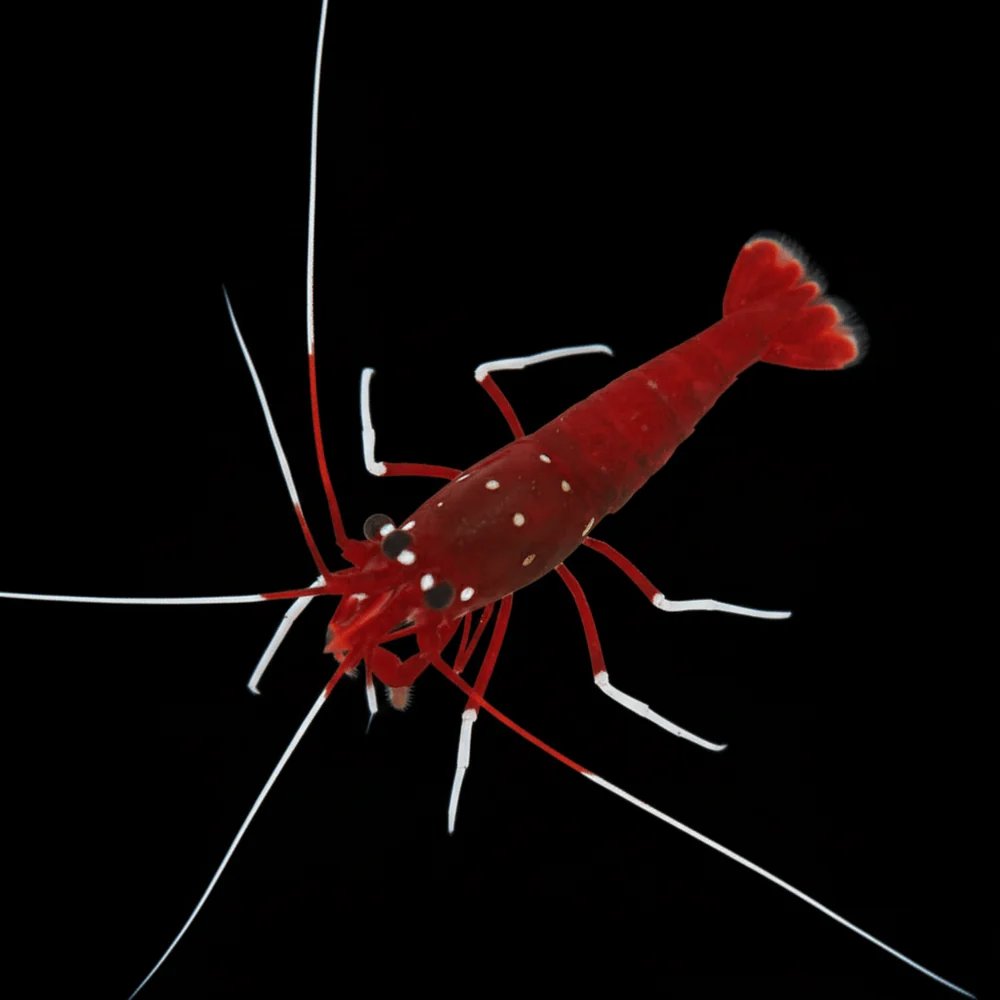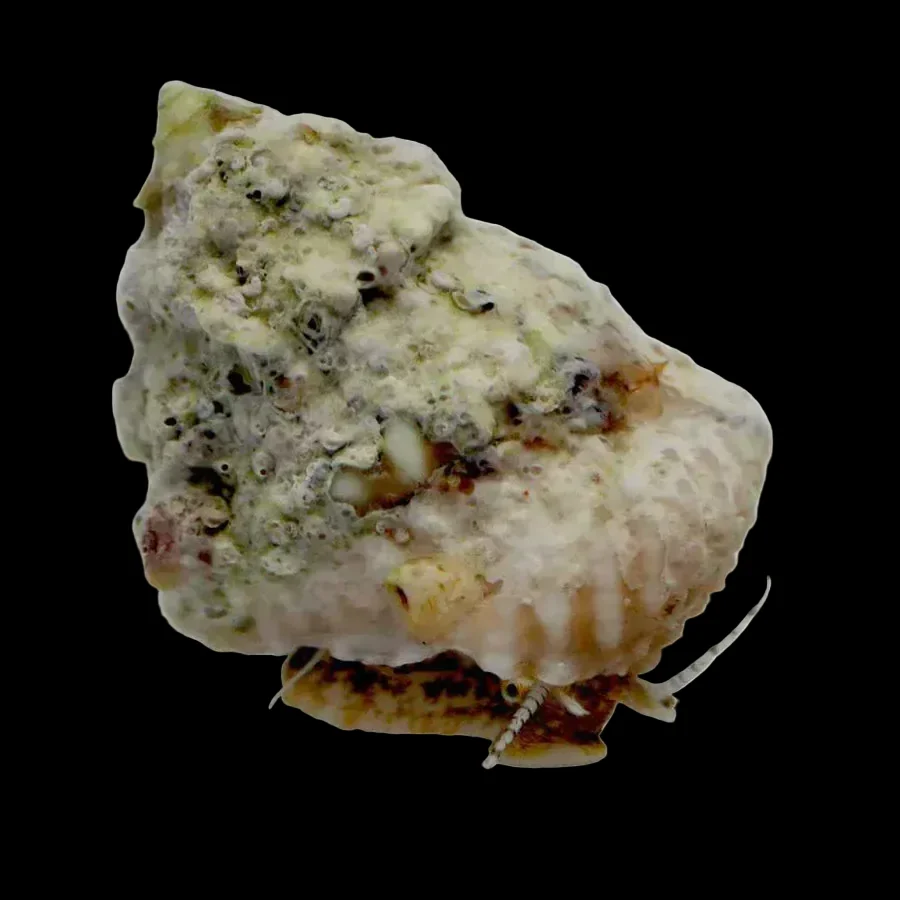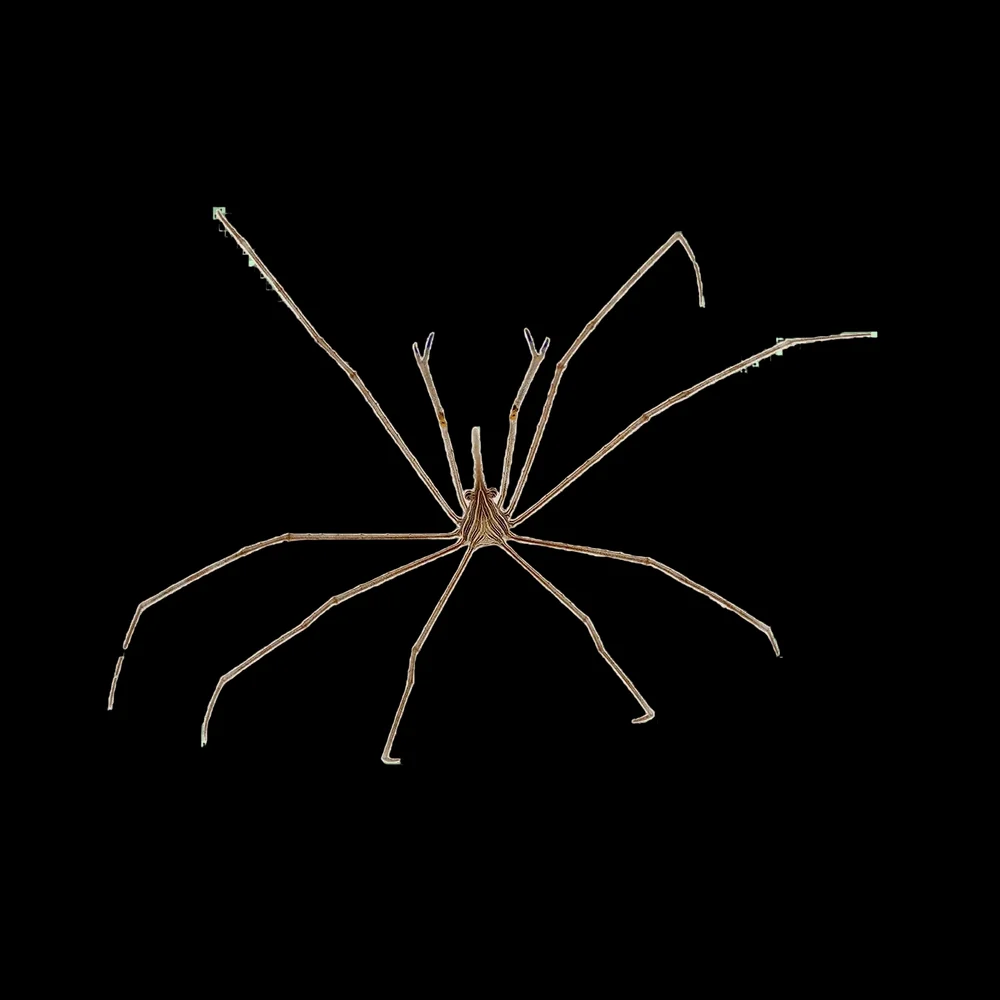

Browse our saltwater invertebrate guide to identify reef clean-up crew members and learn how to care for them. Compare reef safety, temperament, diet, and ideal roles for snails, crabs, shrimp, starfish, urchins and more.
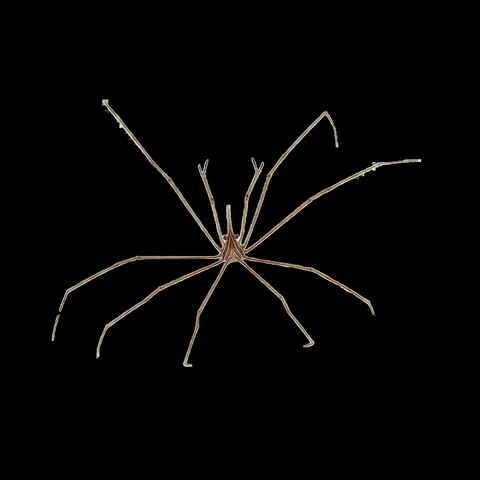
Moderate
Predatory and Territorial C Scavenger
No
Carnivore
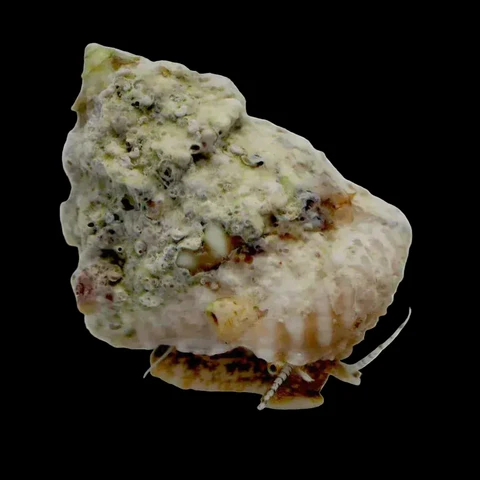
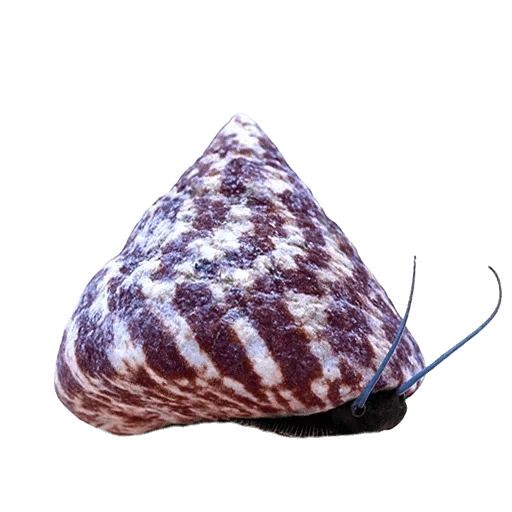
Astraea tecta
Easy
Peaceful
Yes
Herbivore
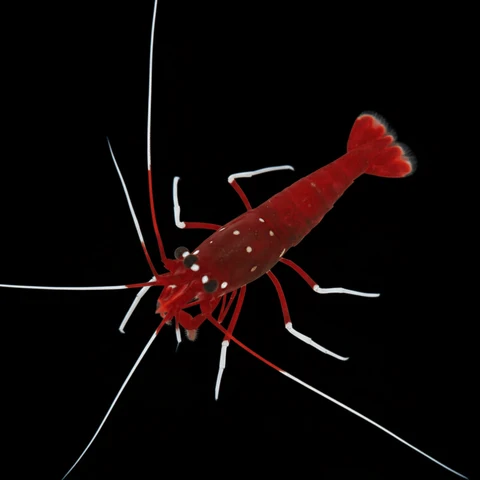
Lysmata debelius
Moderate
Peaceful
Yes
Omnivore
Marine invertebrates are an important part of a saltwater aquarium, with each species offering different characteristics, behaviours and benefits. From algae-grazing snails and scavenging crabs to shrimp, starfish, sea urchins and anemones, understanding their individual requirements is essential when choosing new additions for your aquarium.
Our marine invertebrate glossary helps you explore different species, understand their natural roles and compare their feeding habits, care requirements, temperament and reef compatibility.
Different invertebrates have different roles within an aquarium. Some help control algae, others feed on leftover food and organic matter, while some have more specialised dietary and environmental requirements.
When choosing an invertebrate, consider the needs of the individual species rather than simply its intended purpose. Ensure your aquarium has sufficient natural food, suitable living conditions and enough space to support it as it grows.
Not all marine invertebrates are suitable for every aquarium. Some species are peaceful and reef compatible, while others may prey on corals, fish or smaller invertebrates.
Even species generally considered reef safe can sometimes disturb coral frags or compete with other inhabitants for food. Always consider the existing livestock in your aquarium alongside the adult size, temperament and dietary requirements of any new addition.
Marine invertebrates can be sensitive to changes in water conditions, particularly salinity and temperature. Always follow an appropriate acclimation process for the species being introduced and avoid sudden changes in aquarium conditions.
Once introduced, monitor feeding, movement and interactions with other livestock to ensure the animal is settling in successfully.
Explore the Tee’s Reef marine invertebrate glossary below to discover individual species and learn more about their care, behaviour and suitability for your aquarium.
Saltwater aquarium invertebrates include far more than a generic clean-up crew. Snails, hermit crabs, true crabs, shrimp, sea stars, urchins, anemones, worms, and other animals occupy different niches and have different feeding, space, and reef-safety requirements. This glossary helps identify common species and compare care level, temperament, diet, and compatibility before adding them to a marine aquarium.
Begin with the job you expect the animal to perform, then confirm that the aquarium can support it after that job is done. An algae grazer needs access to the type of algae it actually eats. A scavenger still needs enough appropriate food when visible detritus is limited. Sand-sifting animals depend on the condition and maturity of the substrate, while filter feeders may need suspended foods that a very clean system does not provide.
A balanced crew uses several complementary behaviors instead of adding a large number of one animal. Different snails may graze film algae, work across rock, or move through sand. Hermit crabs are active scavengers but can compete for shells or disturb other invertebrates. Urchins can be effective grazers while also moving loose frags or small pieces of rockwork. Compare profiles and stock gradually so the available food supports the animals long term.
Tank size alone does not determine the right number. Age of the aquarium, surface area, feeding, algae growth, substrate, and existing competition all matter. Add animals in response to observed needs and reassess as the system changes. Our clean-up crew stocking guide explains how to plan by function instead of using a fixed animal-per-gallon formula.
“Invertebrate” is a biological grouping, not a compatibility label. Some crabs, sea stars, shrimp, and anemones can harm corals, fish, clams, or other mobile invertebrates. Even animals generally considered reef safe may knock over unsecured frags or compete for food. Review the individual profile and consider the exact coral and livestock community in the aquarium.
Specialized feeders deserve extra caution. Some animals depend on mature rock, established sand beds, particular prey, or frequent target feeding. Others grow much larger than their retail size suggests. Confirm adult size, food source, and escape risk, and protect pump intakes when an animal is likely to roam. Stable salinity is especially important for many marine invertebrates, so avoid rapid changes during acclimation or water correction.
Not every unfamiliar invertebrate is a pest. Small worms, brittle stars, copepods, amphipods, sponges, and other hitchhikers can be harmless or beneficial. Photograph the animal under white light when possible, note where it appears and how it behaves, then compare those traits with the profiles. If the organism is damaging livestock or spreading aggressively, continue with the reef pest identification guide .
Before acclimation, compare the shipping-water salinity with the receiving system and follow a method appropriate to the animal and the time spent in transit. Avoid exposing sensitive species to sudden changes, and never add shipping water to the display. Once introduced, watch attachment, movement, feeding, and interactions with fish rather than assuming an animal that disappears is lost.
Secure loose coral frags and protect pump intakes when adding strong grazers or roaming animals. Confirm that fish and crabs will not prey on the new arrival, and provide empty shells when keeping hermit crabs. If an animal repeatedly leaves one area, investigate flow, light, food, aggression, and water quality before moving it back by force.
Browse every invertebrate profile below for identification and care details. When research is complete, the saltwater invertebrate collection provides current livestock availability without turning this reference page into a product catalog.